Ivindo National Park Safaris
Thundering waterfalls, pristine rainforest, and rare forest elephants – explore Gabon’s wild heart in Ivindo National Park.
Best Time To Go
June to September (long dry season) and December to February (short dry season)
High Season
July to August
Size
Approx 3,000 square kilometres
Altitude
300 – 600 metres
above sea level
Ivindo National Park Safari Holidays
The Call of Waterfalls and Wilderness
Ivindo National Park is a hidden gem of Central Africa — a vast rainforest sanctuary where gorillas roam beneath towering trees and the mighty Kongou Falls crash through untouched wilderness. Remote and mysterious, it is one of Gabon’s most breathtaking national parks.
For travellers seeking raw, off-the-beaten-track adventure, Ivindo delivers a safari experience like no other.
Why Visit Ivindo National Park?
Located in eastern Gabon, Ivindo National Park is a UNESCO World Heritage Site and one of Central Africa’s last great frontiers. Its dense tropical forests, sweeping rivers, and colossal waterfalls create a sense of wilderness that is as humbling as it is thrilling. Unlike Gabon’s coastal parks, Ivindo is all about rainforest exploration — immersing visitors in the sights, sounds, and scents of the Congo Basin.
The park’s landscapes are dominated by the roaring Kongou and Mingouli waterfalls, often described as “Africa’s Niagara,” thundering down through lush jungle. These natural wonders alone make Ivindo a must-see, offering a dramatic contrast to the gentle mangroves and savannahs found elsewhere in Gabon.
But Ivindo is more than scenery. It is home to some of the planet’s richest biodiversity, from elusive forest elephants and sitatungas to troops of lowland gorillas. Birders flock here for the rare grey-necked rockfowl (picathartes) and a dazzling array of Congo Basin species. Its remoteness means fewer visitors, allowing travellers to experience a safari that feels truly private and undiscovered.
What sets Ivindo apart is its pace. Here, you journey by river, trek jungle trails, and sit quietly in forest clearings where elephants and gorillas appear unexpectedly. It’s a safari of patience, immersion, and unforgettable moments, best suited to those who yearn for authenticity over convenience.
Wildlife and Nature
Ivindo is the epitome of wild Africa. Step into the forest and you’re enveloped in an orchestra of cicadas, the whoop of hornbills overhead, and the earthy scent of wet vegetation. Rivers snake through the jungle, their dark waters reflecting the towering canopy, while the spray of Kongou Falls drifts like mist through the treetops.
The park is famous for its forest elephants, often seen at natural clearings called bais, where they gather to drink and socialise. Watching these giants emerge silently from the dense foliage into the dappled sunlight of a bai is one of Africa’s most magical encounters. Alongside them, sitatunga antelope pick their way through swampy channels, while gorillas and chimpanzees call from the trees.
Birdlife here is exceptional, with more than 400 recorded species. The grey-necked rockfowl is a prized sighting, its nesting grounds hidden among mossy boulders. Turacos, sunbirds, and African grey parrots add bursts of colour, while fish eagles patrol the rivers. For wildlife photographers, the combination of rainforest atmosphere and charismatic species creates dramatic, once-in-a-lifetime shots.
Seasonality shapes the park’s experiences. In the dry season, animals concentrate around rivers and bais, making sightings more reliable. In wetter months, the forest is alive with fresh growth, insects, and bird migrations, giving the park a vibrant, almost primeval energy. Conservation is at the heart of Ivindo: organisations like the ANPN (Agence Nationale des Parcs Nationaux) and international researchers work tirelessly to protect its rare ecosystems, making every visit a contribution to preserving this extraordinary wilderness.
What makes Ivindo’s wildlife experience unique is its intimacy. There are no crowded game vehicles or endless convoys of tourists. Instead, it’s just you, your guide, and the forest — where every rustle could be a gorilla, and every trail leads to something unforgettable.
Best Time to Visit Ivindo
The best time to visit Ivindo depends on your priorities. The long dry season, from June to September, is the most popular.
During these months, the weather is more predictable, with less rainfall, making river journeys and forest treks easier.
Wildlife concentrates around rivers and clearings, increasing the likelihood of seeing elephants, gorillas, and other rainforest species.
December to February marks the short dry season, another excellent time for travel.
It’s slightly hotter, but conditions are good for photography, with softer light filtering through the canopy and improved access to trails.
The wet seasons, from March to May and October to November, bring heavy rains. While trekking can be more challenging and rivers swell dramatically, this is when Ivindo’s rainforest is at its most vibrant.
Vegetation bursts into life, bird activity peaks, and waterfalls like Kongou thunder with incredible force, making for spectacular scenery.
The misty atmosphere and lush greens create ethereal photographic conditions.
For photographers, dawn and late afternoon are particularly rewarding.
Early morning light casts golden hues over bais, while evening mist and rainbows often accompany the waterfalls.
Travellers should be prepared for high humidity year-round, but with the reward of intimate encounters and raw natural drama that few parks can offer.
Safari Experiences in Ivindo
Ivindo National Park offers experiences that feel raw and untamed, where adventure is measured not in miles driven but in the depth of immersion in the rainforest.
- Journey to Kongou Falls: One of Africa’s greatest waterfalls, Kongou is the crown jewel of Ivindo. Reached by a boat journey upriver followed by jungle trekking, the approach alone is unforgettable. Standing at its base, with spray cooling your skin and thunder echoing in your chest, is a deeply humbling experience.
- Gorilla and Chimpanzee Tracking: Guided treks into the forest reveal Gabon’s primates in their natural habitat. While sightings require patience, the reward of watching gorillas feeding or chimps calling overhead is beyond compare. The sense of being a guest in their world is profound.
- Forest Bai Watching: Natural clearings like Langoué Bai offer unique opportunities to see forest elephants, buffalo, and sitatunga emerge from the trees. Elevated observation platforms allow you to spend hours in silence, witnessing wildlife behaviour up close without disturbance.
- River Expeditions by Canoe: Drift along the Ivindo River by canoe, surrounded by the calls of hornbills and the splash of fish. These journeys offer glimpses of crocodiles, monkeys at the water’s edge, and a perspective of the forest that feels both serene and adventurous.
- Birdwatching Expeditions: With expert guides, track down rare species such as the grey-necked rockfowl. Birding here is an immersive treasure hunt through some of the richest avifauna habitats in Africa, rewarding both keen birders and casual enthusiasts.
- Cultural Encounters in Remote Villages: Visits to local communities on the park’s edges provide insight into Gabonese traditions, forest lore, and ways of life deeply connected to the land. Meeting locals adds a cultural depth to the natural wonders of Ivindo.
Where to Stay in Ivindo
Ivindo National Park offers a wide range of accommodation options to suit different preferences and budgets, all set within or just outside the park boundaries. These typically include:
- Eco-Luxury Lodges: Sustainably built lodges on the park’s fringes combine modern comfort with jungle immersion. Expect spacious bungalows, fine dining using local ingredients, and views that stretch over the rainforest canopy.
- Tented Camps: Simple but atmospheric tented camps allow you to sleep to the sound of the forest. With comfortable beds, mosquito nets, and hearty meals, they bring the romance of old-style exploration to life.
- Boutique Bush Retreats: Small, character-driven retreats near villages and rivers offer personalised hosting and an authentic feel. Often community-run, they blend warm hospitality with eco-friendly practices.
At Awake in the Wild, we work only with lodges and camps that meet our ethical and sustainability standards. Whether you’re looking for solar-powered luxury or a simple campfire safari experience, we’ll match you to the perfect base. If you don’t see the exact lodge or camp you’re looking for, just let us know — we’re able to arrange a variety of stays to suit different tastes, travel styles, and budgets.
A Selection of our Ivindo Safari Accommodation
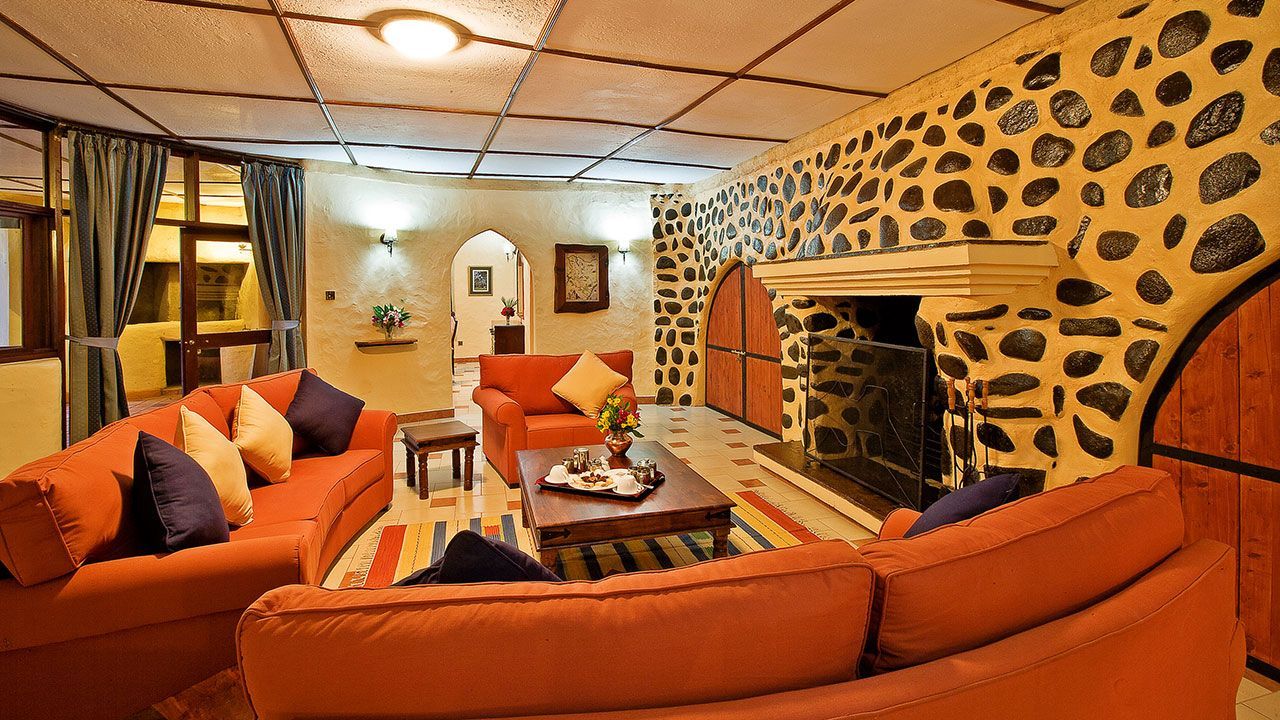
Amboseli Sopa Lodge
Just outside Amboseli National Park
Set in 200 acres of private land, and with a rustic charm all of its own, the Amboseli Sopa Lodge nestles in the foothills of Mount Kilimanjaro
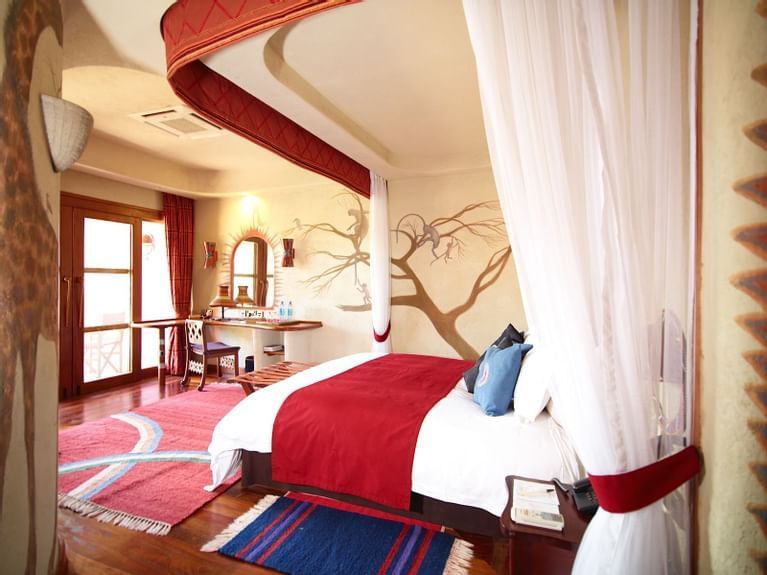
Amboseli Serena Safari Lodge
Amboseli National Park
The Amboseli Serena Safari Lodge is located within the Amboseli National Park and has great views over the plains towards Mount Kilimanjaro.
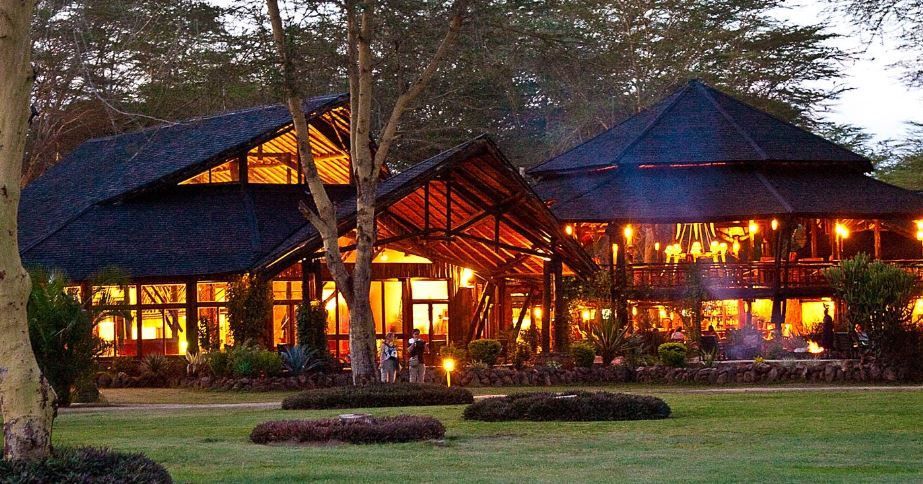
Ol Tukai Lodge
Amboseli National Park
Ol Tukai Lodges features 80 luxury chalet-style twin rooms, all with an uninterrupted view of the wetlands or the magnificent Mt. Kilimanjaro.
We have access to a wide range of handpicked accommodation options — from rustic eco-camps and authentic bush lodges to stylish tented retreats with breathtaking views. If you don’t see the exact lodge or camp you’re looking for, just let us know — we can arrange a variety of stays to suit different tastes, travel styles, and budgets.
Average Weather and Climate in Ivindo
Ivindo’s equatorial rainforest climate means high humidity and warm temperatures throughout the year. Days average 25–30°C, with nights dropping only slightly, so visitors should be prepared for consistently warm and damp conditions.
The dry season (June to September, and December to February) is the most practical time to visit. Rainfall decreases, making trails more accessible, rivers calmer, and wildlife easier to spot around clearings. Waterfalls are still impressive, though less swollen than during the rains.
In the wet seasons (March to May and October to November), heavy rains feed the rivers and forests, transforming the park into a lush, glistening paradise. While conditions can be muddy, this is when the forest is at its most alive — with booming waterfalls, nesting birds, and dazzling greenery.
A unique feature of Ivindo’s climate is its mist, which often lingers in the mornings, creating a mystical, almost primeval atmosphere. It makes photography dramatic and imbues treks with a sense of otherworldly adventure.
Whatever the season, the climate shapes Ivindo’s safari atmosphere — either vibrant and lush in the rains or accessible and wildlife-rich in the drier months. Year-round, the park offers remarkable rewards for those ready to embrace its wildness.
Combine with Other Destinations
Ivindo pairs perfectly with other Gabonese parks to create a diverse safari circuit. After exploring its waterfalls and rainforests, many travellers head west to Loango National Park, where elephants and hippos wander beaches and lagoons. The contrast between coastal and rainforest ecosystems makes for an extraordinary journey.
For history and culture, Lopé National Park is another ideal combination. Just a short flight or drive away, it blends savannah landscapes with ancient rock art and some of Africa’s highest primate densities.
Thanks to its location near the town of Makokou and regional flight links, Ivindo is often included in multi-park itineraries that showcase Gabon’s incredible biodiversity.
Speak to us about creating a bespoke journey that links the country’s coast, savannahs, and rainforests for the ultimate adventure.
Travelling from the UK to Ivindo
UK travellers can fly from London to Libreville, Gabon’s capital, usually via Paris, Addis Ababa, or Istanbul. Flights typically take 10–12 hours depending on the route. From Libreville, a domestic flight or train journey to Makokou brings you close to Ivindo National Park. Road transfers or boat journeys then connect you to lodges and camps within the park.
UK passport holders require a visa to enter Gabon, which can be applied for online. Passports should be valid for at least six months after arrival. Awake in the Wild will guide you through the latest entry requirements and health precautions, including malaria prevention and vaccination advice.
We take care of every stage of the journey, from long-haul flights to lodge transfers, ensuring your trip is seamless and stress-free.
All you need to do is prepare to lose yourself in one of Africa’s wildest, most enchanting rainforests.
Discover the Wild, Your Way: Tailor Your Ivindo Safari with Us
Few places stir the soul like Ivindo, where the roar of Kongou Falls echoes through ancient rainforest and forest elephants gather in secret bais. To sit quietly as mist rolls over the canopy or to glimpse a gorilla in the shadows is to experience nature in its rawest, most profound form.
Talk to us about the experiences you’ve always dreamed of. We’ll match you with handpicked lodges, expert local guides, and authentic adventures that bring Ivindo National Park to life.
Speak to one of our safari specialists today — call us or fill out our quick enquiry form, and let’s start planning your tailor-made adventure.
Send an Enquiry
We will get back to you as soon as possible.
Please try again later.
Frequently Asked Questions
What is the best time to visit Ivindo National Park?
The long dry season (June–September) is the most practical, with easier trekking and reliable wildlife sightings at bais. The short dry season (December–February) is also excellent, while the wet seasons bring lush greenery, booming waterfalls, and peak birdlife.
Is Ivindo National Park suitable for first-time safari travellers?
Yes, if you’re seeking adventure. Ivindo is less conventional than savannah safaris, but ideal for travellers wanting a raw rainforest experience — gorilla encounters, forest elephants, and canoe journeys replace game drives.
What wildlife can I expect to see?
Ivindo is home to lowland gorillas, chimpanzees, forest elephants, sitatunga antelope, and a dazzling range of bird species, including the rare grey-necked rockfowl. Encounters are intimate and often unforgettable.
How difficult is the trekking in Ivindo?
Trekking ranges from gentle river walks to more challenging jungle hikes. Humidity can be high, so a moderate level of fitness is recommended. Guides pace the walks according to ability and interests.
Are the waterfalls accessible to visitors?
Yes, Kongou Falls is one of the park’s highlights. Reaching it involves a river journey followed by a trek through forest trails — an adventure in itself. The reward is standing before one of Africa’s greatest waterfalls.
Can Ivindo be combined with other safari destinations?
Absolutely. It is often paired with Loango National Park on the coast or Lopé National Park for savannah and primates. This creates a diverse Gabonese safari circuit covering rainforest, savannah, and coastline.
Is it safe to travel to Ivindo?
Yes. Visits are guided by experienced rangers and licensed operators. Safety standards are closely observed for river journeys, treks, and wildlife encounters. Awake in the Wild ensures all logistics are responsibly managed.
What accommodation options are available?
Stays range from eco-lodges on the park’s fringes to simple tented camps and boutique retreats near rivers and villages. All are designed to immerse you in the rainforest environment.
How do I get to Ivindo from Libreville?
Travellers usually fly or take the train from Libreville to Makokou, the nearest town, followed by road or river transfers into the park. The journey is part of the adventure and showcases Gabon’s landscapes.
Do UK travellers need a visa for Gabon?
Yes. UK passport holders must apply for a visa, often available online, and passports should be valid for at least six months beyond entry. Awake in the Wild provides up-to-date advice on visas and health requirements.