Gorongosa National Park Safaris
Where Rivers Meet the Wild: Mozambique’s Reborn Safari Gem.
Best Time To Go
June to October
High Season
July to September
Size
Approx 4,067 square kilometres
Altitude
20 to 1,863 metres (Mount Gorongosa) above sea level
Gorongosa National Park Safari Holidays
Rivers, Rainforests and Rewilding on Mozambique’s Great Rift
Gorongosa is Africa’s great comeback story — a park where rewilding is tangible, and every dawn feels like a new beginning. Set at the southern end of the Great Rift Valley, its floodplains, woodlands, and montane forests weave together into one of the continent’s most diverse ecosystems. You’ll watch elephants wade through shining channels, hear lions call across the grasslands, and drift past hippos at sunset as bee-eaters flash like confetti above the water. Up on Mount Gorongosa, a cool rainforest world tumbles with waterfalls and rare birdsong. This is a place for travellers who want wildlife in abundance, landscapes with drama, and conservation with real impact.
Why Visit Gorongosa National Park?
Gorongosa pairs high-quality game viewing with a conservation model that genuinely changes lives. The wildlife story is thrilling — lions, elephants, wild dogs, and vast antelope herds returning in force — but the community partnership is just as compelling.
Its mosaic of habitats means variety on every drive, from open floodplains and palm savannah to fever-tree corridors and rainforest. Keen photographers love the golden light, mirror-calm channels, and big skies; birders are spoiled with over 500 species.
Every visit supports local jobs, schools, and healthcare — travel that does good without compromising the experience.
Wildlife and Nature
Gorongosa’s floodplains teem with waterbirds and antelope, with buffalo, kudu, and sable drawing lions and leopards into view.
Palm-dotted savannahs echo with elephant rumble, while hippos and crocodiles own the river bends and oxbow lakes.
Woodlands harbour shy nyala and bushbuck, and the park’s wild dog packs add electric, fast-paced sightings.
Up on Mount Gorongosa, misty rainforest hides orchids, endemic butterflies, and the green-headed oriole — a completely different biome within the same trip.
The park’s recovery means sightings are frequent, behaviours are natural, and every day brings a new thread in the rewilding tapestry.
Best Time to Visit Gorongosa
The dry season from June to October is prime: grasses fall, pans shrink, and wildlife clusters along waterways for superb viewing. Temperatures are warm but comfortable, roads are firm, and light is gorgeous for photography — especially at sunrise and late afternoon.
July to September brings the highest densities around remaining water and is considered peak for predators and large herds.
The green season (November to March) transforms the park into an emerald world: birding peaks, calves abound, and storms sweep through with dramatic skies, though some areas can be harder to access.
April and May are transitional — clearer tracks, fresh grazing, and fewer travellers.
Safari Experiences in Gorongosa
Game Drives on the Floodplains: Set out at first light when lion tracks criss-cross the sand and antelope step through silver mist. Watch elephants file into channels, trunks skimming the surface as jacanas tiptoe across lily pads. Mid-morning brings raptors riding thermals and currents of life flowing along every watercourse. Afternoon drives pivot to predators, with golden light igniting the grasses as hippos begin to stir. As dusk falls, the bush comes alive with nightjars, stars, and the soft thrum of a wilderness in recovery.
Birding the Rift Valley’s Wetlands and Woodlands: With 500+ species, Gorongosa is a dream for beginners and serious listers alike. Scan floodplains for saddle-billed storks and crowned cranes while bee-eaters stitch colour across the sky. In riverine woodland, listen for Pel’s fishing owl and find living jewels like kingfishers on shaded perches. The rainforest adds endemics and elevational specialists, rewarding slow, attentive walks. Bring binoculars and time — you’ll use both.
Hiking and Waterfalls on Mount Gorongosa: Swap the warm valley air for cool, fern-scented forest as you climb into the mountain’s cloud belt. Trails wind to clear pools and waterfalls where dragonflies hover and sunbeams slice through the canopy. Guides reveal orchids, medicinal plants, and subtle signs of wildlife most travellers would miss. Picnic spots serve sweeping views back over the plains you drove that morning. It’s a refreshing, totally different angle on the park — and a highlight in its own right.
Canoe and Boat Safaris at Golden Hour: Glide along quiet channels, sharing water with kingfishers, jacanas, and the occasional curious hippo. From the waterline, elephants seem taller and crocs more ancient — a perspective that slows you down and sharpens every sense. Late-day trips time perfectly with gentle breezes and honeyed light for photography. Your guide reads ripples, bird calls, and shifting clouds like a map. Step ashore with that rare feeling: calm, alert, and deeply connected to place.
Where to Stay in Gorongosa
Stays in Gorongosa balance authentic bush character with comfort, placing you right in the heart of the rewilding story.
Luxury Safari Lodges — Spacious suites, elevated decks, and fine dining; private vehicles and expert guides maximise sightings and photography.
Tented Safari Camps — Classic canvas under trees near prime areas; en-suite comforts, campfires, and the night chorus on your doorstep.
Community-Run Eco-Lodges — Your stay funds local projects; expect warm hospitality, cultural encounters, and meaningful impact alongside great guiding.
We have access to a wide range of handpicked accommodation options in Gorongosa National Park — from rustic eco-camps and authentic bush lodges to stylish tented retreats. If you don’t see the exact lodge or camp you’re looking for, just let us know — we’re able to arrange a variety of stays to suit different tastes, travel styles, and budgets.
A Selection of our Gorongosa National Park Safari Accommodation
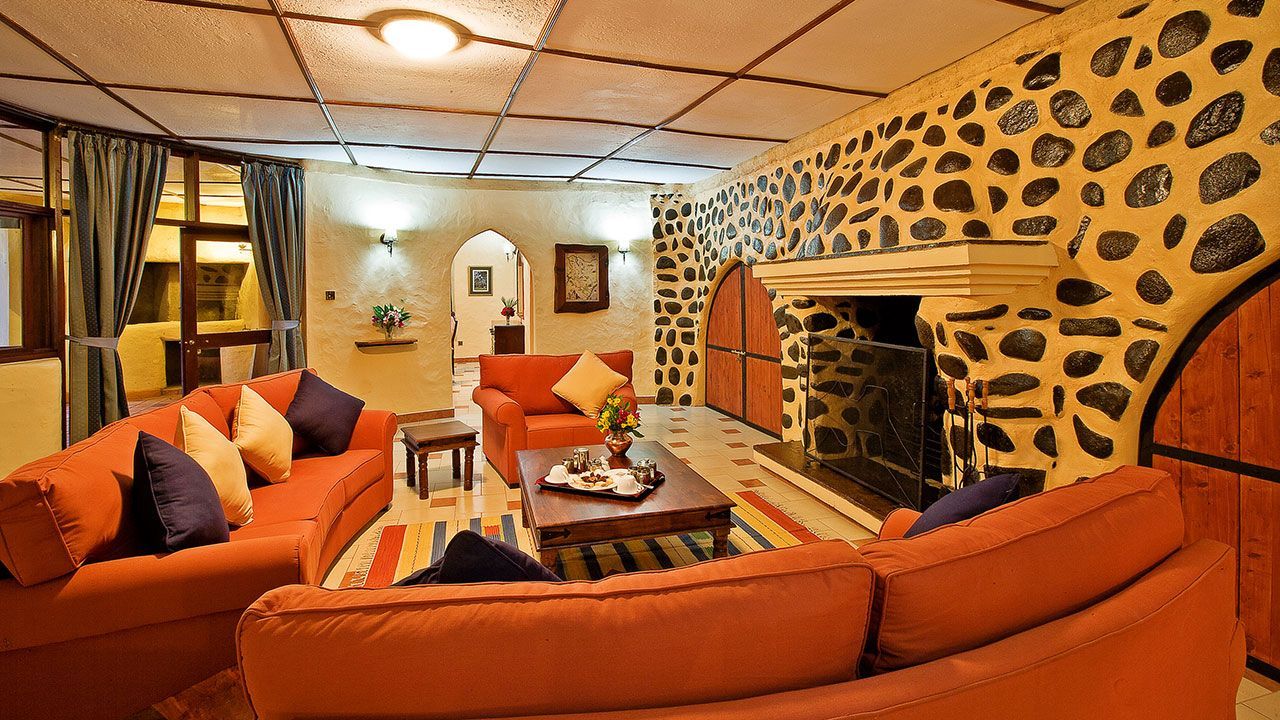
Amboseli Sopa Lodge
Just outside Amboseli National Park
Set in 200 acres of private land, and with a rustic charm all of its own, the Amboseli Sopa Lodge nestles in the foothills of Mount Kilimanjaro
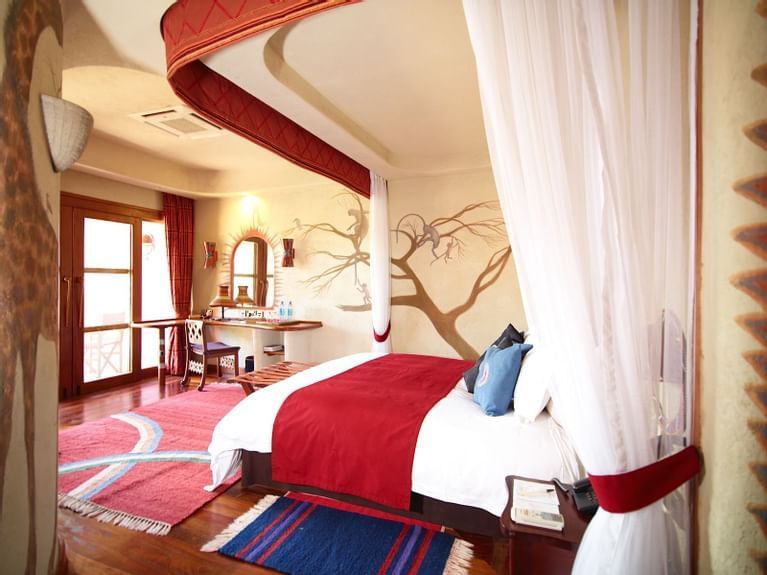
Amboseli Serena Safari Lodge
Amboseli National Park
The Amboseli Serena Safari Lodge is located within the Amboseli National Park and has great views over the plains towards Mount Kilimanjaro.
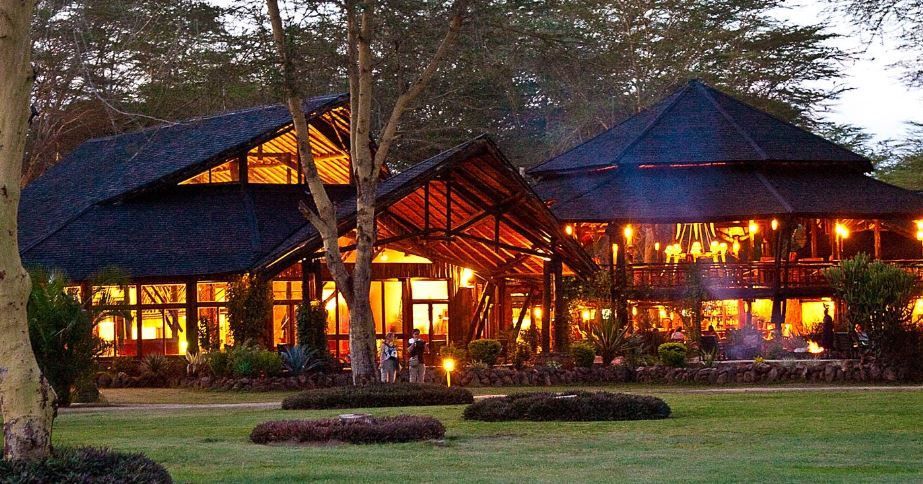
Ol Tukai Lodge
Amboseli National Park
Ol Tukai Lodges features 80 luxury chalet-style twin rooms, all with an uninterrupted view of the wetlands or the magnificent Mt. Kilimanjaro.
We have access to a wide range of handpicked accommodation options — from rustic eco-camps and authentic bush lodges to stylish tented retreats with breathtaking views. If you don’t see the exact lodge or camp you’re looking for, just let us know — we can arrange a variety of stays to suit different tastes, travel styles, and budgets.
Average Weather and Climate in Gorongosa National Park
Gorongosa has a warm, tropical climate shaped by altitude and seasonal rains; valley floors run hotter, while Mount Gorongosa offers a refreshing cool. Here’s how it feels through the year, month by month, so you can plan precisely.
- January: Hot, humid, frequent afternoon storms; lush growth and superb birding.
- February: Similar to January; dramatic skies and neon-green landscapes.
- March: Rains start easing late in the month; young animals and energetic predators.
- April: Transitional; clearer days, improving road access, pleasant warmth.
- May: Drying continues; comfortable days, crisp mornings, growing visibility.
- June: Dry season settled; 20–28°C days, low humidity, excellent viewing.
- July: Peak conditions; cool mornings, strong predator activity around water.
- August: Classic safari weather; long, clear days and concentrated game.
- September: Warmth builds; golden light, big herds, reliable sightings.
- October: Hottest dry-season month; intense action at remaining waterholes.
- November: First storms return; birding spikes, dramatic cloudscapes.
- December: Green season in swing; vibrant foliage, calves and chicks everywhere.
Whatever the month, Gorongosa rewards you — with crisp, concentrated sightings in the dry and spectacular colour, sound, and birdlife in the green.
Combine with Other Destinations
Amboseli pairs effortlessly with other safari hotspots like Tsavo East and West, or even Lake Nakuru and the Masai Mara. For those looking to venture further, it’s also a fantastic first stop before heading into Tanzania’s Serengeti.
The park’s location near Nairobi makes it easily accessible, whether you’re on a short safari or a multi-park adventure. Talk to us about creating a custom itinerary.
Travelling from the UK to Gorongosa
Typical routings are London to Johannesburg or Maputo, then a regional connection to Beira. From Beira, continue by road with our driver-guide (scenic and cost-effective) or take a short charter flight into the park. Total journey time is usually 14–16 hours including layovers; we’ll build sensible buffers between international and domestic legs.
Private charters are available for seamless connections and extra luggage flexibility for camera gear.
Discover the Wild, Your Way: Tailor Your Gorongosa National Park Safari with Us
Gorongosa is a place where sightings thrill and the bigger story matters — a rare combination for travellers who want their trip to mean more. Whether you dream of boat safaris at golden hour, predator action on open floodplains, or a cool rainforest hike to a hidden waterfall, we’ll craft it around you.
Talk to us about the experiences you’ve always dreamed of. We’ll match you with handpicked lodges, expert local guides, and authentic adventures that bring Gorongosa to life.
Speak to one of our safari specialists today — call us or fill out our quick enquiry form, and let’s start planning your tailor-made adventure.
Send an Enquiry
We will get back to you as soon as possible.
Please try again later.
Frequently Asked Questions
When is the best time to visit?
June–October for concentrated wildlife; November–March for lush scenery and peak birding.
Is Gorongosa suitable for first-time safari travellers?
Yes — varied habitats, strong guiding, and straightforward logistics make it ideal.
What wildlife can I expect to see?
Elephants, lions, wild dogs, hippos, buffalo, antelope herds, leopards, and 500+ bird species.
Are walking and water-based safaris available?
Yes — guided walks in designated areas and canoe/boat outings on channels and lakes.
How do I get there from the UK?
Fly via Johannesburg or Maputo to Beira, then transfer by road or charter into the park.
Can I combine Gorongosa with a beach stay?
Absolutely — Bazaruto or the Quirimbas are perfect add-ons.
Is it family-friendly?
Many lodges welcome children; we’ll match you to family-ready properties and guides.
Is it safe to visit?
Yes — travel with reputable partners; we handle routes, permits, and on-the-ground support.
What’s the accommodation style?
From luxury lodges and classic tented camps to community-run eco-stays.
Do UK travellers need a visa?
Most do for Mozambique; we’ll advise on the latest entry requirements before you book.