Avenue of the Baobabs Safaris
Ancient giants, golden sunsets, and Madagascar’s most iconic natural boulevard of towering baobabs.
Best Time To Go
May to October (dry season; clear skies, best sunsets)
High Season
July – September
Size
Approximately 320 hectares (protected area)
Altitude
20–40 metres
above sea level
Avenue of the Baobabs Safari Holidays
Where Giants Guard the Sunset
The Avenue of the Baobabs is Madagascar’s most iconic landscape — a surreal row of towering, ancient trees standing like sentinels over the red earth. Between Morondava and Belon’i Tsiribihina, this natural wonder is both a sacred site and a photographer’s dream.
A journey here is more than a stop — it’s a timeless encounter with Madagascar’s soul.
Why Visit Avenue of the Baobabs?
Located on Madagascar’s western coast, near the town of Morondava, the Avenue of the Baobabs is one of the island’s most photographed and celebrated sights. The dirt road flanked by majestic baobab trees, some over 800 years old, offers a glimpse into a prehistoric landscape where time seems to stand still.
The trees belong to the endemic Adansonia grandidieri species, found only in Madagascar. Rising up to 30 metres high, with thick, bottle-like trunks and sparse crowns, they create an otherworldly silhouette against the sky. Sunrise and sunset are especially magical, as the trees cast long shadows across the dusty road, glowing gold in the changing light.
This is not a traditional safari park, but the Avenue of the Baobabs is integral to Madagascar’s safari experience. It showcases the island’s unique botany and cultural heritage, offering a setting as distinctive as any rainforest or tsingy landscape. Local legends weave spiritual meaning around these “roots of the sky,” adding a sense of sacredness to the experience.
Unlike wildlife-focused reserves, the Avenue is about atmosphere, storytelling, and timeless scenery. It is a place for reflection, photography, and connection to the land — a pause on a broader safari journey that leaves an indelible mark on every traveller.
Wildlife and Nature
While the Avenue is most famous for its baobabs, the surrounding landscapes host a surprising array of life. These dry deciduous forests, though more sparse than the lush rainforests of the east, are vital ecosystems supporting lemurs, reptiles, and birdlife.
At dawn, you may hear the distant calls of Verreaux’s sifaka, a graceful lemur known for its “dancing” sideways hops across open ground. Chameleons cling to the baobabs’ bark, blending with their textured trunks, while bird species like the Madagascar bee-eater and Sakalava weaver flit between branches.
The baobabs themselves are ecological marvels. Their massive trunks store thousands of litres of water, sustaining them through months of drought. They flower in the rainy season, releasing sweet fragrances that attract fruit bats and nocturnal pollinators. Their fruit — sometimes called “monkey bread” — provides vital nutrition for wildlife and humans alike.
Seasonally, the landscape transforms. During the wet months, the dusty road becomes framed by a carpet of green, and baobabs flower against cloudy skies. In the dry season, the stark contrast of red soil and grey trunks creates a raw, dramatic beauty.
Conservation organisations such as Fanamby work with local communities to protect this fragile environment from deforestation and encroachment, ensuring these giants stand for generations to come.
Unlike other safari destinations, the Avenue’s wildlife encounters are subtle — more about glimpses and sounds than dense concentrations. What makes the experience unique is the interplay between nature and culture, where iconic trees, small creatures, and human history combine into one unforgettable tableau.
Best Time to Visit Avenue of the Baobabs
The Avenue can be visited year-round, but the experience varies greatly with the seasons.
Dry Season (May – October): This is the most popular time to visit. Days are sunny and warm, with temperatures around 25–30°C. Clear skies create perfect conditions for photography, particularly at sunset when the baobabs glow gold against the crimson earth. Dusty roads can add atmosphere to photos, though they also make the air dry.
Wet Season (November – April): Heavy rains transform the landscape, carpeting the area in green. The baobabs flower, releasing heady scents at night, and the surrounding fields come alive with crops and seasonal birdlife. Road access can be challenging after downpours, but the Avenue is quieter and more atmospheric.
Seasonal Highlights: Photographers often prefer May and June for misty mornings and softer light, while July to September offers the driest, most reliable conditions. December and January bring flowers and new life, adding colour and scent to the experience.
Photography Tips: Sunset and sunrise are the most iconic times to visit. Early morning light highlights the silhouettes against mist, while sunset paints the trees in fiery gold. Night photography is increasingly popular, with baobabs framed against star-filled skies and the Milky Way.
Practical Notes: The Avenue is busiest at sunset during the high season, so early risers are rewarded with solitude. Roads are generally passable in the dry season but can become muddy in heavy rains. Comfortable clothing, hats, and water are essential, especially in the dry months.
Safari Experiences in Avenue of the Baobabs
The Avenue offers experiences that blend nature, photography, and Malagasy culture. While not a wildlife safari in the traditional sense, it delivers unforgettable moments and is best enjoyed slowly and reflectively.
- Sunset Stroll Among Giants: Walking along the Avenue as the sun sets is the highlight for most travellers. The trees glow in shades of amber, and the shadows lengthen dramatically, creating one of the world’s most photogenic scenes.
- Starry Skies and Night Photography: Stay into the evening and the Avenue transforms into a celestial stage. With little light pollution, the Milky Way arcs above the silhouetted trees, perfect for long-exposure photography and quiet contemplation.
- Meeting Local Communities: Villages around the Avenue welcome visitors with stories of the baobabs’ cultural importance. Learn how locals use baobab fruit and bark, and hear the legends that describe them as sacred ancestors rooted in the earth.
- Daytime Baobab Encounters: Visiting during the day reveals details often missed at sunset: the textured bark, the small creatures living on trunks, and the surrounding dry forest landscape. Guides can introduce you to lemurs or reptiles nearby.
- Baobab Amoureux: A short detour leads to the famous “Lovers’ Baobabs,” two trees intertwined as though in eternal embrace. It’s a romantic symbol and a favourite for couples, adding a personal touch to the baobab story.
- Cultural and Conservation Tours: Some community-led projects near the Avenue offer immersive tours. These include tree-planting initiatives, local cuisine tastings, and opportunities to contribute to the preservation of this unique landscape.
Where to Stay in Avenue of the Baobabs
Avenue of the Baobabs offers a wide range of accommodation options to suit different preferences and budgets, all set within or just outside the park boundaries. These typically include:
- Eco-Luxury Lodges: Located near Morondava, eco-lodges provide stylish chalets or villas with views of baobab groves. Expect solar power, local cuisine, and the luxury of comfort after a day of exploration.
- Tented Camps: Some operators set up semi-permanent tented camps near the Avenue. Falling asleep beneath the baobabs with the night sky above is a rare and magical experience, blending adventure with comfort.
- Boutique Bush Retreats: Smaller, character-rich guesthouses offer a more intimate connection to Malagasy hospitality. Often family-run, these retreats feature local architecture, fresh home-cooked meals, and warm cultural immersion.
At Awake in the Wild, we work only with lodges and camps that meet our ethical and sustainability standards. Whether you’re looking for solar-powered luxury or a simple campfire safari experience, we’ll match you to the perfect base. If you don’t see the exact lodge or camp you’re looking for, just let us know — we’re able to arrange a variety of stays to suit different tastes, travel styles, and budgets.
A Selection of our Avenue of the Baobabs Safari Accommodation
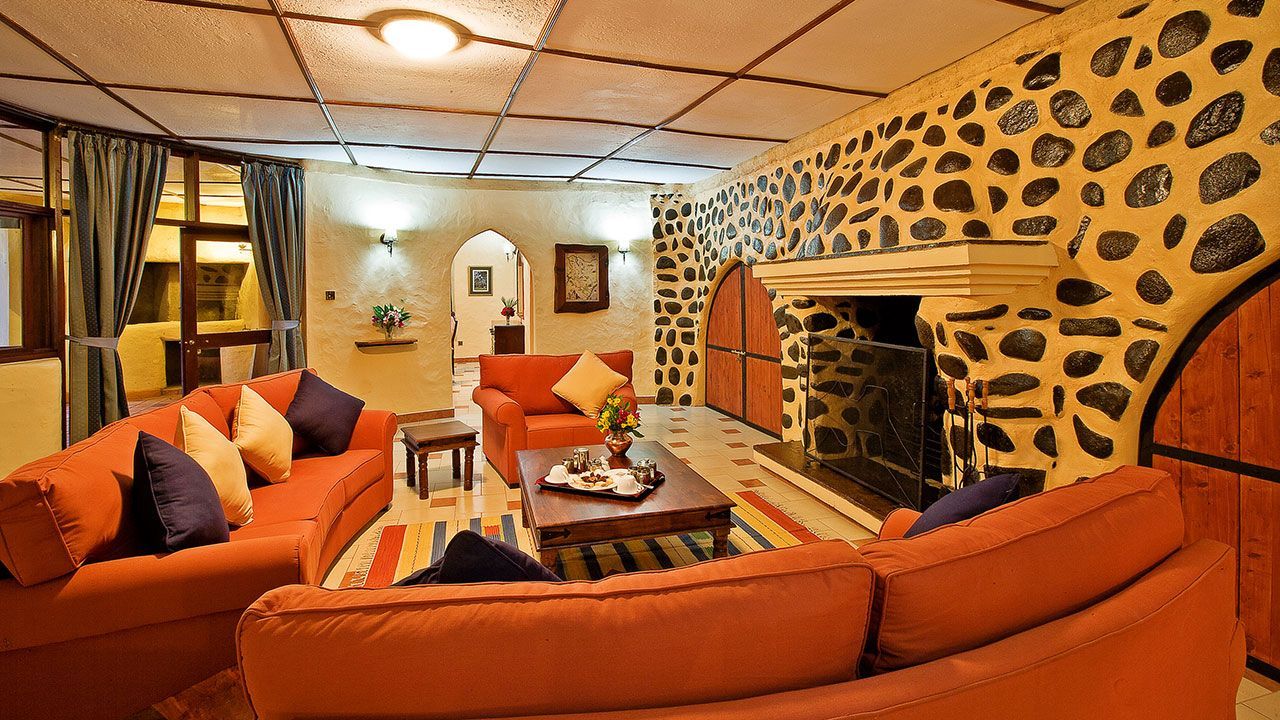
Amboseli Sopa Lodge
Just outside Amboseli National Park
Set in 200 acres of private land, and with a rustic charm all of its own, the Amboseli Sopa Lodge nestles in the foothills of Mount Kilimanjaro
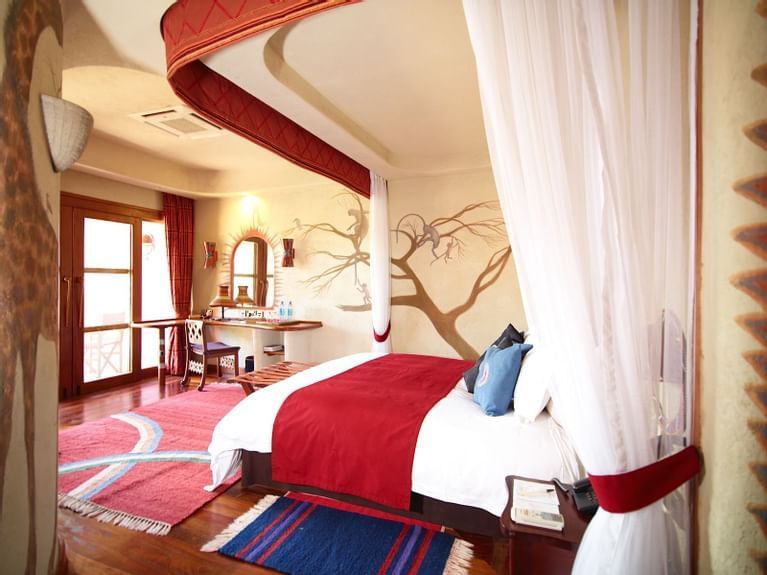
Amboseli Serena Safari Lodge
Amboseli National Park
The Amboseli Serena Safari Lodge is located within the Amboseli National Park and has great views over the plains towards Mount Kilimanjaro.
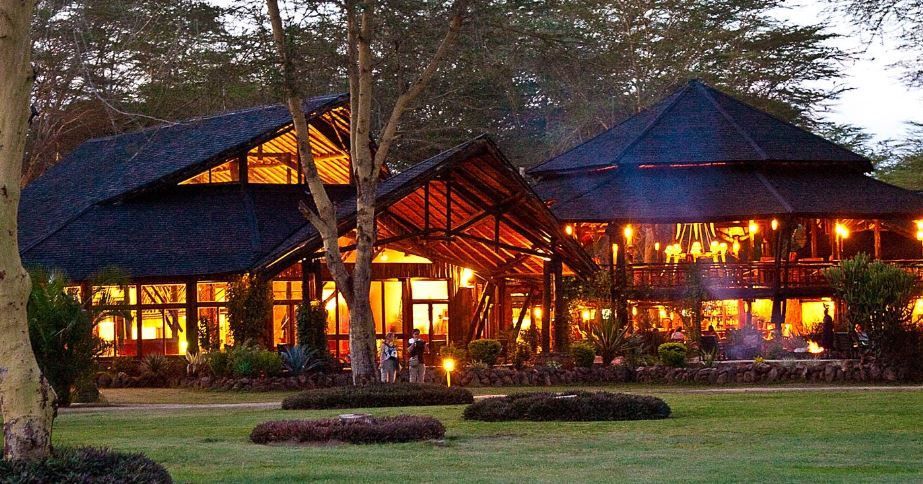
Ol Tukai Lodge
Amboseli National Park
Ol Tukai Lodges features 80 luxury chalet-style twin rooms, all with an uninterrupted view of the wetlands or the magnificent Mt. Kilimanjaro.
We have access to a wide range of handpicked accommodation options — from rustic eco-camps and authentic bush lodges to stylish tented retreats with breathtaking views. If you don’t see the exact lodge or camp you’re looking for, just let us know — we can arrange a variety of stays to suit different tastes, travel styles, and budgets.
Average Weather and Climate in Avenue of the Baobabs
The Avenue lies in a tropical dry forest zone, with two main seasons.
Dry Season (May to October): Warm, sunny days with little rainfall. Daytime temperatures hover around 25–30°C, while nights are cooler but rarely cold. This is the best time for photography, comfort, and road access. The red earth contrasts beautifully with the baobabs’ grey trunks.
Wet Season (November to April): Heavy rains bring lush greenery, wildflowers, and baobab blossoms. Temperatures can rise to 32°C with higher humidity. Roads may become muddy and challenging, but the landscape is vibrant and alive.
Unique climate features include coastal breezes from the Mozambique Channel, which moderate temperatures slightly. Seasonal thunderstorms add drama to skies, often producing incredible photographic conditions at sunset.
Whatever the season, the Avenue offers unforgettable scenery. Whether under golden skies or framed by storm clouds, the baobabs remain timeless and awe-inspiring.
Combine with Other Destinations
The Avenue is often combined with Kirindy Forest Reserve, just a short drive away, known for its fossas, giant jumping rats, and nocturnal lemurs. This makes for an excellent wildlife pairing with the more scenic baobab experience.
Travellers also combine it with Tsingy de Bemaraha National Park, a UNESCO World Heritage Site famous for its towering limestone formations and adventure trekking.
The journey from Morondava to Tsingy is an adventure in itself, crossing rivers and remote landscapes.
For coastal relaxation, the beaches of Morondava and Belo-sur-Mer offer a perfect end to a baobab journey.
Talk to us about tailoring a route that blends scenery, wildlife, and cultural encounters into one unforgettable adventure.
Travelling from the UK to Madagascar
UK travellers typically fly to Antananarivo via Paris, Addis Ababa, Nairobi, or Istanbul (journey times around 14–16 hours). From the capital, a domestic flight to Morondava takes around 1.5 hours.
From Morondava, the Avenue is just an hour’s drive along a scenic dirt road. The journey passes through villages and farmland, offering glimpses of Malagasy life before reaching the legendary trees.
UK visitors require a visa for Madagascar, obtainable on arrival or online. Passports must be valid for at least six months beyond entry. Malaria precautions are recommended, along with vaccinations for hepatitis A and typhoid.
At Awake in the Wild, we handle every step of the journey — from flights to transfers and guided tours — so you can relax and focus on the experience.
Discover the Wild, Your Way: Tailor Your Avenue of the Baobabs Safari with Us
The Avenue of the Baobabs is more than a photograph — it’s a journey into Madagascar’s heart. To stand beneath these giants at sunset, shadows stretching across the earth, is to witness nature’s timeless artistry. It is a place of silence, reflection, and awe, unlike anywhere else on Earth.
Talk to us about the experiences you’ve always dreamed of. We’ll match you with handpicked lodges, expert local guides, and authentic adventures that bring the Avenue of the Baobabs to life.
Speak to one of our safari specialists today — call us or fill out our quick enquiry form, and let’s start planning your tailor-made adventure.
Send an Enquiry
We will get back to you as soon as possible.
Please try again later.
Frequently Asked Questions
What is the best time to visit the Avenue of the Baobabs?
The best time to visit is during the dry season from May to October, when skies are clear, roads are easier, and sunsets are spectacular. The wet season (November to April) offers fewer crowds and lush greenery, but road conditions can be more challenging.
Is the Avenue of the Baobabs suitable for first-time visitors to Madagascar?
Yes, it’s one of the easiest and most rewarding destinations in Madagascar. Located just an hour’s drive from Morondava, it’s accessible and offers an unforgettable introduction to the island’s landscapes and culture.
What makes the Avenue so special?
The Avenue is home to towering Adansonia grandidieri baobabs, some over 800 years old. Their unique shapes, cultural significance, and dramatic silhouettes at sunrise and sunset make this one of the most iconic sights in Africa.
Can I see wildlife at the Avenue?
Yes, though the focus here is more on scenery than dense wildlife. You may spot chameleons, birds such as bee-eaters and weavers, and occasionally lemurs in the surrounding dry forest. Kirindy Reserve nearby offers richer wildlife encounters.
Is the Avenue family-friendly?
Absolutely. Children are often mesmerised by the giant trees, and the short, flat walk makes it easy for all ages. Families may also enjoy visiting the nearby “Lovers’ Baobabs” and engaging with local communities.
How busy does it get?
Sunset is the most popular time and can draw small crowds, especially in July–September. Sunrise offers a quieter experience with softer light. The wet season brings fewer visitors, creating a more atmospheric visit.
What types of accommodation are available nearby?
You’ll find eco-lodges, boutique retreats, and tented camps in Morondava and the surrounding area. These range from comfortable family-run guesthouses to stylish lodges with views over baobab groves.
How do I reach the Avenue of the Baobabs from the UK?
Fly from London to Antananarivo (via Paris, Addis Ababa, or Nairobi), then take a domestic flight to Morondava (around 1.5 hours). From there, the Avenue is just an hour’s drive away. Awake in the Wild arranges all logistics.
Do UK visitors need a visa to visit Madagascar?
Yes, UK travellers require a visa, which can be obtained on arrival at Antananarivo or online in advance. Passports must be valid for at least six months beyond entry.
Can the Avenue be combined with other destinations?
Definitely. Popular pairings include Kirindy Reserve for nocturnal wildlife and Tsingy de Bemaraha for dramatic limestone formations. Many travellers also end their journey with time on Madagascar’s west coast beaches.