Victoria Falls & Zambezi National Park Safaris
Thundering falls, misty rainbows, and riverfront safaris along Africa’s wild Zambezi.
Best Time To Go
une to September (Dry season - excellent wildlife viewing)
High Season
July to October (and April for Victoria Falls peak flow)
Size
Approx 56,000 hectares (Zambezi National Park)
Altitude
900–1,100 metres
above sea level
Victoria Falls & Zambezi National Park Safari Holidays
Where Water Meets Wilderness
Victoria Falls & Zambezi National Park together offer one of Africa’s most spectacular natural and wildlife experiences. Here, the world’s largest waterfall thunders into the gorge below, while just upstream the Zambezi River nurtures a haven of elephants, lions, and hippos.
This is where adventure meets safari, a destination as iconic as it is untamed.
Why Visit Victoria Falls & Zambezi National Park?
Victoria Falls — known locally as Mosi-oa-Tunya, “the Smoke that Thunders” — is one of the Seven Natural Wonders of the World. Standing before its roaring curtain of water, wrapped in mist and rainbows, is a humbling, almost spiritual experience. Combined with the adjoining Zambezi National Park, it becomes not just a sightseeing stop, but a destination offering a true safari adventure.
Zambezi National Park stretches along the upper reaches of the river, protecting riverine forests, mopane woodland, and floodplains that draw elephants, buffalo, and predators. Its proximity to Victoria Falls makes it one of the most accessible safari parks in Zimbabwe — perfect for travellers who want to combine bucket-list wonders with authentic wildlife encounters.
Unlike remote safari destinations, here you can blend the thrill of walking through rainforest mist, photographing rainbows over the falls, and then setting out on a game drive where lions stalk and elephants swim. Add in adrenaline activities — from white-water rafting to sunset cruises — and you have a destination that offers something for every traveller.
What sets this region apart is its versatility: it can be an epic standalone adventure or the perfect beginning or finale to a Southern Africa safari circuit. Few places in the world offer so much drama, diversity, and beauty in one location.
Wildlife and Nature
The landscapes of Zambezi National Park are as varied as they are beautiful. To the east, Victoria Falls crashes into basalt gorges, sending plumes of spray high into the air. To the west, the Zambezi River flows calmly through islands, channels, and floodplains, sustaining forests alive with birdsong and the calls of wild animals.
The park is home to elephants that frequently cross the river, their trunks raised like snorkels as they swim between islands. Buffalo herds graze on open floodplains, while lions, leopards, and spotted hyenas roam the woodlands. Hippos grunt from the shallows, crocodiles bask along sandy banks, and giraffes amble between mopane trees.
Birdlife is abundant, with over 400 species recorded. African fish eagles patrol the skies, carmine bee-eaters nest in riverbanks, and kingfishers dart like jewels above the water. In the green season, migratory species swell the numbers, making it a birder’s paradise.
Seasonality shapes the experience. In the dry months, wildlife concentrates along the Zambezi, creating excellent game viewing opportunities. During the rains, the park is transformed into a lush paradise, its forests dripping with life and its birdlife at its most colourful.
Conservation plays an important role here. Cross-border initiatives like the Kavango-Zambezi Transfrontier Conservation Area aim to protect the broader ecosystem, ensuring elephants, predators, and migratory species can move freely. This makes each visit not only unforgettable, but also a contribution to preserving one of Africa’s greatest wilderness regions.
What makes the experience here unique is the juxtaposition of settings: the raw power of the falls, the calm beauty of river cruises, and the thrill of wildlife encounters — all in a single destination.
Best Time to Visit Victoria Falls & Zambezi
The dry season (June to September) is the best time for wildlife viewing in Zambezi National Park. Animals gather along the riverbanks, grasses thin out, and predators are easier to spot.
Days are warm, nights cool, and skies crystal clear — perfect for photography and outdoor adventures.
The wet season (November to April) transforms the park into a lush, emerald wilderness. Birdwatching is exceptional, with migratory species joining the resident population. While game disperses into the bush, the dramatic skies, lush colours, and newborn wildlife make this a rewarding season for photographers and nature lovers.
Victoria Falls itself is seasonal too. From February to May, the falls are at their fullest, sending up enormous plumes of spray and creating constant rainbows.
By September to December, water levels drop, offering clearer views of the geological formations and dramatic cliffs behind the curtain of water.
Photography is rewarding year-round. Sunrise over the mist, elephants crossing the river at golden hour, and silhouetted trees against fiery sunsets provide endless opportunities.
Be prepared, though: in peak-flow months, spray can drench cameras and clothing, while in the dry months you may need to frame shots differently to capture the reduced water.
Accessibility is excellent throughout the year, with most activities operating regardless of season.
The key is deciding whether you want the drama of the flood season, the clarity of the dry months, or the balance of in-between.
Safari Experiences in Amboseli
Victoria Falls & Zambezi National Park offer a rare blend of natural wonder, safari adventure, and cultural encounters. Each experience immerses you in a different side of this iconic destination.
- Walking in the Mist of Victoria Falls: Step along rainforest trails where every turn reveals new views of the falls, rainbows arching in the spray. The roar of water fills your ears, and the cooling mist wraps you in one of Earth’s most powerful spectacles.
- Game Drives Along the Zambezi: Explore Zambezi National Park by vehicle, watching elephants feeding on islands, lions patrolling the woodland, and giraffes silhouetted against vast skies. Morning and evening drives reveal the park’s rhythms and wildlife at its most active.
- Sunset Cruises on the Zambezi River: Drift down the river as the sky burns orange, hippos surface nearby, and fish eagles call overhead. With a sundowner in hand, it’s one of the most peaceful yet thrilling ways to end the day.
- Cultural Encounters with Local Communities: Visit nearby villages or cultural centres to learn about traditional crafts, music, and stories connected to the river and falls. These experiences provide insight into local life and enrich your journey with human connection.
- Adrenaline Adventures at the Falls: For thrill-seekers, Victoria Falls is an adventure capital. White-water rafting, bungee jumping, and microlight flights offer heart-pounding perspectives on the falls and river. Few destinations combine safari and adventure so seamlessly.
- Photographic Safaris and Helicopter Flights: From professional wildlife tours to “Flight of Angels” helicopter trips over the falls, photography here is unparalleled. Capture sweeping landscapes, close-up wildlife encounters, and the sheer drama of the falls from unique angles.
Where to Stay in Victoria Falls & Zambezi
Victoria Falls & Zambezi National Park offer a wide range of accommodation options to suit different preferences and budgets, all set within or just outside the park boundaries. These typically include:
- Eco-Luxury Lodges: Upscale riverside lodges with spacious suites, infinity pools, and private decks overlooking the Zambezi. Sustainability is key, with solar power and conservation-driven designs enhancing your stay.
- Tented Camps: Classic safari camps along the riverbanks combine the romance of sleeping under canvas with modern comforts. Nights are alive with hippo calls, making these camps atmospheric and authentic.
- Boutique Bush Retreats: Smaller, character-filled properties offering personal hosting, intimate dining, and stylish settings. Often located just outside the park, they are ideal for travellers seeking charm and tranquillity.
- Exclusive-Use Villas & River Lodges: Perfect for families or groups, these properties offer private guides, boats, and chefs. They combine privacy with full immersion in the Zambezi wilderness.
At Awake in the Wild, we work only with lodges and camps that meet our ethical and sustainability standards. Whether you’re looking for solar-powered luxury or a simple campfire safari experience, we’ll match you to the perfect base. If you don’t see the exact lodge or camp you’re looking for, just let us know — we’re able to arrange a variety of stays to suit different tastes, travel styles, and budgets.
A Selection of our Victoria Falls & Zambezi Safari Accommodation
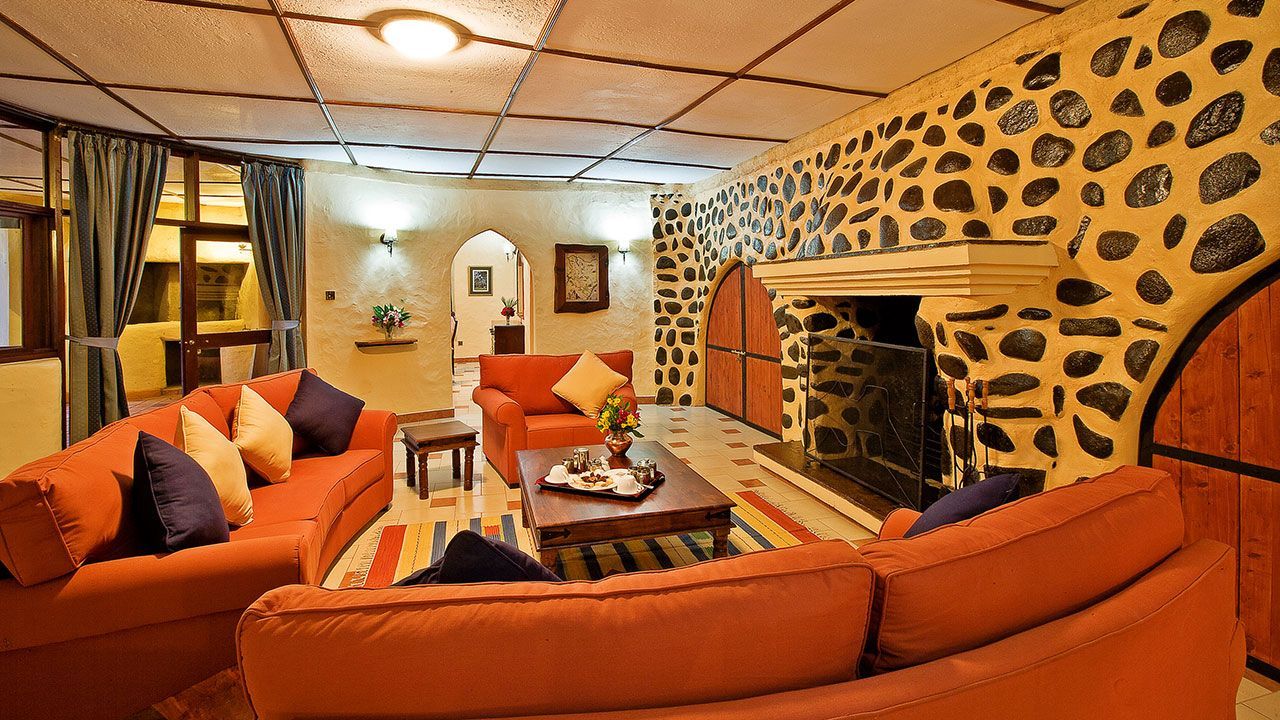
Amboseli Sopa Lodge
Just outside Amboseli National Park
Set in 200 acres of private land, and with a rustic charm all of its own, the Amboseli Sopa Lodge nestles in the foothills of Mount Kilimanjaro
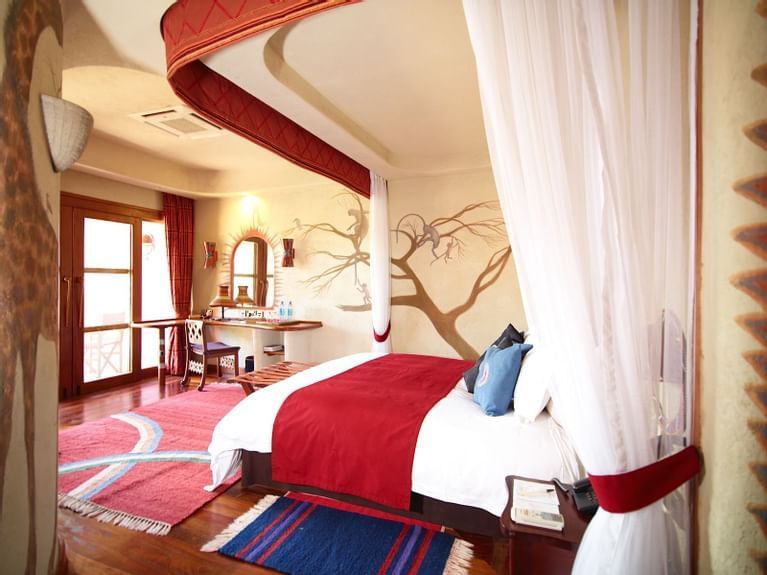
Amboseli Serena Safari Lodge
Amboseli National Park
The Amboseli Serena Safari Lodge is located within the Amboseli National Park and has great views over the plains towards Mount Kilimanjaro.
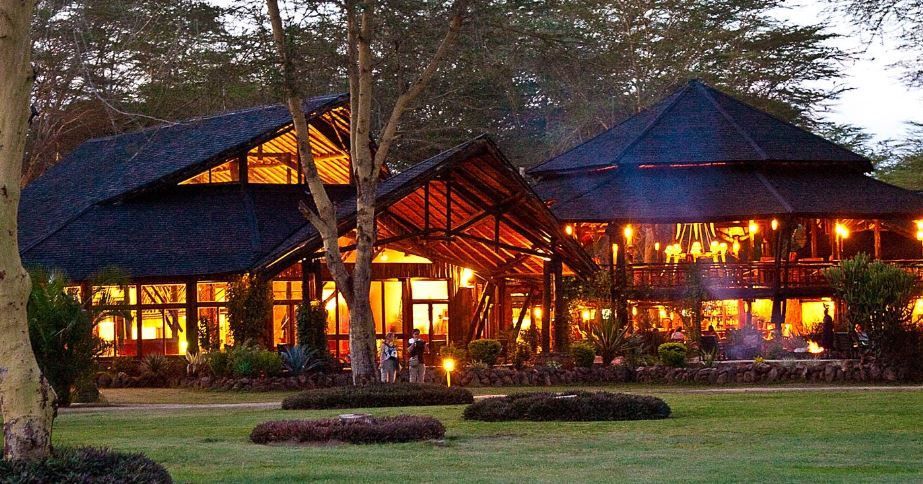
Ol Tukai Lodge
Amboseli National Park
Ol Tukai Lodges features 80 luxury chalet-style twin rooms, all with an uninterrupted view of the wetlands or the magnificent Mt. Kilimanjaro.
We have access to a wide range of handpicked accommodation options — from rustic eco-camps and authentic bush lodges to stylish tented retreats with breathtaking views. If you don’t see the exact lodge or camp you’re looking for, just let us know — we can arrange a variety of stays to suit different tastes, travel styles, and budgets.
Average Weather and Climate in Victoria Falls & Zambezi
Victoria Falls & Zambezi National Park experience a subtropical climate with distinct dry and wet seasons.
The dry season (May to October) is warm, dry, and perfect for game viewing. Daytime highs average 25–30°C, with cooler mornings and evenings (especially in June and July). The falls are at lower flow late in the dry season, giving clearer views of the cliffs and gorges.
The wet season (November to April) brings afternoon thunderstorms, lush green landscapes, and abundant birdlife. Daytime highs average 28–32°C with increased humidity. The falls are at their most powerful between February and May, when spray can be intense but spectacular.
Unique to this destination is the interplay of climate and spectacle. In high-flow months, rainbows appear almost constantly, while in drier months, dramatic geological formations emerge. Wildlife safaris are best in the dry months, while birdwatching and photography thrive in the green season.
Whatever time you visit, the combination of the falls’ drama and the park’s wildlife ensures a rewarding safari atmosphere year-round.
Combine with Other Destinations
Victoria Falls is one of Southern Africa’s great crossroads, making it easy to combine with other destinations. Many travellers pair it with Hwange National Park, just a few hours’ drive away, for classic big-game safaris.
Across the border, Chobe National Park in Botswana offers riverfront game viewing, while the Okavango Delta provides a contrasting wetland safari experience. For longer journeys, Victoria Falls also serves as a gateway to Namibia’s Caprivi Strip or Zambia’s Lower Zambezi National Park, both easily accessible.
Its position at the heart of the region and its excellent flight connections make Victoria Falls an ideal starting or ending point for a Southern African safari.
Talk to us about designing a custom itinerary that blends adventure, wildlife, and wonder.
Travelling from the UK to Zambezi
Flights from London to Victoria Falls Airport typically connect via Johannesburg, Addis Ababa, or Doha, with total travel times of 13–16 hours. Direct flights from Johannesburg to Victoria Falls take just under 2 hours, making connections straightforward.
From the airport, Zambezi National Park is just a short transfer away, while most lodges and activities around the falls are within easy reach. Charter flights can also connect you to other safari destinations, such as Hwange or Mana Pools.
UK passport holders require a visa to enter Zimbabwe, which is usually available on arrival. Passports must be valid for at least six months beyond travel dates. Malaria precautions and routine vaccinations are recommended, with Awake in the Wild providing the latest guidance.
From international flights to seamless transfers and lodge arrangements, we handle all the details, so you can focus on experiencing the falls’ majesty and the park’s wildlife.
Discover the Wild, Your Way: Tailor Your Victoria Falls & Zambezi Safari with Us
Victoria Falls & Zambezi National Park is a destination of contrasts — where thunderous waterfalls give way to tranquil river safaris, and where iconic wildlife thrives in the shadow of one of Earth’s greatest natural wonders. It is an experience that overwhelms the senses and stays with you for life.
Talk to us about the experiences you’ve always dreamed of. We’ll match you with handpicked lodges, expert local guides, and authentic adventures that bring Victoria Falls & Zambezi National Park to life.
Speak to one of our safari specialists today — call us or fill out our quick enquiry form, and let’s start planning your tailor-made adventure.
Send an Enquiry
We will get back to you as soon as possible.
Please try again later.
Frequently Asked Questions
What makes Victoria Falls & Zambezi National Park unique?
This destination combines one of the world’s greatest natural wonders — Victoria Falls — with authentic riverfront safaris in Zambezi National Park, offering both adventure and wildlife in one trip.
When is the best time to visit Victoria Falls?
From February to May, the falls are at their fullest, with immense spray and rainbows. From September to December, water levels are lower, giving clearer views of the gorge and rock formations.
What is the best season for wildlife viewing in Zambezi National Park?
The dry season (June to September) is best for wildlife. Animals gather along the river, making sightings of elephants, buffalo, and predators more frequent.
What wildlife can I see in Zambezi National Park?
The park is home to elephants, buffalo, giraffes, lions, leopards, and over 400 bird species. Hippos and crocodiles thrive along the river, while fish eagles and bee-eaters dominate the skies.
Are there water-based safari activities available?
Yes. Sunset cruises, canoeing, and fishing excursions on the Zambezi River offer unique perspectives and close encounters with wildlife.
Can Victoria Falls be combined with other safari destinations?
Absolutely. Many travellers combine it with Hwange National Park, Botswana’s Chobe, or Zambia’s Lower Zambezi. Its excellent flight connections make it a natural safari hub.
Are cultural experiences available near Victoria Falls?
Yes. Visitors can explore local villages, markets, and cultural centres, discovering traditional crafts, music, and stories tied to the river and falls.
What types of accommodation are available?
Options range from eco-luxury lodges overlooking the Zambezi to tented camps, boutique retreats, and exclusive-use villas, all offering different levels of comfort and privacy.
How do I get to Victoria Falls from the UK?
Flights from London connect via Johannesburg, Addis Ababa, or Doha to Victoria Falls Airport. Total travel time is around 13–16 hours, with a short transfer to the park.
Do UK travellers need a visa for Zimbabwe?
Yes. UK passport holders need a visa, usually obtainable on arrival. Passports must be valid for at least six months, and malaria precautions are recommended. Awake in the Wild provides full travel guidance.