Lango Bai & Lekoli River Safaris
Forest elephants, swamp-dwelling buffalo, and riverine secrets — discover the wild heart of Congo’s Lango Bai.
Best Time To Go
June to September (dry season)
High Season
July to August
Size
Approx 4,572 square kilometres
Altitude
350–600 metres
above sea level
Lango Bai & Lekoli River Safari Holidays
Secrets of the Congo Wilderness
Lango Bai and the meandering Lekoli River are among the most enchanting corners of Odzala-Kokoua National Park in the Republic of Congo. This is a rare safari landscape where dense rainforest meets open swampy clearings, attracting a spectacular concentration of wildlife.
For travellers seeking an off-the-beaten-track safari infused with drama, mystery, and ecological richness, this destination is truly unforgettable.
Why Visit Lango Bai & Lekoli River?
Tucked away in the Congo Basin, Lango Bai is one of Africa’s great natural amphitheatres. A vast, mineral-rich swamp clearing, it acts as a magnetic stage where wildlife emerges daily from the forest to drink, graze, and socialise. Forest elephants, bongo antelope, and giant forest hogs wander openly here, offering rare and dramatic viewing opportunities.
The adjoining Lekoli River winds through the forest like a lifeline. Its waters draw troops of guereza colobus monkeys, while kingfishers and bee-eaters flash between the branches. Canoe journeys reveal wildlife otherwise hidden — from shy sitatunga wading silently through reeds to the occasional glimpse of a crocodile slipping beneath the surface.
What sets this place apart from the classic safari circuits is its pace and intimacy. Unlike the wide savannahs of Kenya or Botswana, here you witness wildlife up close in its most raw and secretive forms. It’s not about vast herds but about extraordinary encounters — gorillas crashing through the undergrowth, parrots flocking noisily overhead, and forest buffalo knee-deep in swamp water.
Visiting Lango Bai and the Lekoli River means stepping into a world few outsiders ever experience. It is a chance to explore one of Africa’s last great wildernesses in near exclusivity, guided by expert trackers who bring the secrets of the rainforest alive.
Wildlife and Nature
The landscapes of Lango Bai are unlike anywhere else in Africa. The bai itself is a natural clearing where mineral-rich soils attract a daily parade of wildlife. The colours shift with the light — a patchwork of lush greens, shimmering water channels, and mudflats streaked with footprints. Surrounding rainforest provides a dramatic backdrop, filled with the scent of damp earth and the calls of hornbills echoing through the canopy.
Here, forest elephants take centre stage, emerging from the treeline to bathe, feed, and socialise. They are smaller and shyer than their savannah cousins, but Lango Bai provides an unrivalled opportunity to observe them behaving naturally in a wild setting. Alongside them, herds of forest buffalo churn the swamp into brown foam, while rare bongo antelope — striped and elegant — step lightly across the marsh.
Birdlife is dazzling. African grey parrots gather in their hundreds, filling the bai with noise, while flocks of green pigeons and turacos move like flashes of emerald through the canopy. Raptors circle overhead, scanning for prey, and kingfishers dart along the Lekoli’s banks. Seasonal highlights include migratory bird arrivals between November and March, when the skies come alive with movement.
The biodiversity here is part of a much larger story: Odzala-Kokoua National Park is one of the most important strongholds of western lowland gorillas. While gorilla trekking is typically centred elsewhere in the park, their presence underscores the ecological richness of Lango Bai and its surrounding forests. Conservation organisations such as African Parks have worked tirelessly to protect this fragile ecosystem, ensuring visitors can witness its splendour responsibly.
Unlike the plains of East Africa where the drama is in the open, the Congo Basin’s magic lies in its mysteries. You hear rustling before you see movement, sense the damp coolness of the forest before stepping into light, and feel the thrill of observing species few travellers ever encounter. This makes every safari moment at Lango Bai & the Lekoli River deeply personal and profoundly memorable.
Best Time to Visit Lango Bai & Lekoli River
The best time to visit is during the dry season, which runs from June to September. During these months, rainfall is minimal, making forest treks more comfortable and canoe journeys along the Lekoli River easier to navigate. The bai becomes more concentrated with wildlife as animals rely on its mineral-rich soils and water sources, offering unparalleled viewing opportunities. Photography is excellent, with clear skies, drier air, and golden light filtering through the trees.
The wet seasons arrive from October to December and again from March to May. Heavy showers transform the bai into a lush, waterlogged Eden. The swamp overflows, and the surrounding forest hums with life. It is a paradise for birders, with migratory species swelling the already rich resident population.
The scenery becomes intensely green, a dream for photographers seeking atmospheric rainforest shots. The trade-off, however, is muddier trails and increased humidity.
Between December and February, there is a short dry season, often overlooked but ideal for those seeking fewer visitors and dynamic photography conditions, with dramatic storm skies interspersed with bright, clear days.
Unique phenomena include the seasonal congregation of African grey parrots, a spectacle of sound and motion as thousands descend on the bai.
Early mornings and late afternoons are the best times to capture the soft light, mist rising from the swamp, and wildlife venturing into the open.
Travellers should note that the experience here is never about crowds; even in high season, Lango Bai remains an intimate destination.
With the right preparation — waterproof boots for wet months, layers for cool mornings — every season here delivers a safari atmosphere unlike any other in Africa.
Safari Experiences in Lango Bai & Lekoli River
Lango Bai and the Lekoli River invite you to go beyond the traditional game drive. This is a safari where adventure is felt with every step and paddle stroke, and where encounters are shaped by the rhythms of the forest itself. From thrilling wildlife moments to cultural connections, experiences here immerse you in the unique spirit of the Congo Basin.
- Guided Walks Across Lango Bai: Step into the swamp itself, following boardwalks and raised paths that allow safe passage across the mudflats. The thrill of being at eye level with forest elephants or buffalo is unmatched, as is the chance to see delicate birdlife up close. With the sounds of the rainforest surrounding you, every walk is alive with possibility.
- Canoeing the Lekoli River: Glide silently along a glassy stretch of water hemmed in by rainforest. Canoeing the Lekoli reveals shy sitatunga wading among papyrus, kingfishers flashing electric blue, and the occasional otter breaking the surface. The serenity is palpable, broken only by bird calls and the dip of your paddle.
- Gorilla Trekking Add-On: Though gorilla trekking is centred elsewhere in Odzala, Lango Bai makes an excellent base to extend into a gorilla encounter. Track western lowland gorillas through dense vegetation with skilled trackers, hearing their low grunts before the first glimpse of silver fur. It is one of Africa’s most humbling wildlife experiences.
- Cultural Encounters with the Ba’Aka People: Meet the Ba’Aka, one of the Congo Basin’s indigenous forest communities, who share knowledge of plants, wildlife, and traditions honed over centuries. Through storytelling, music, and foraging walks, visitors gain insight into a way of life intimately tied to the rhythms of the forest.
- Birding Expeditions: For avid birders, this is paradise. Expert guides lead excursions focused on locating rare forest species: Congo serpent eagles, great blue turacos, and flocks of African greys. Photography here is challenging but rewarding, with dramatic shots framed by rainforest light.
- Night Safaris Along the River: As dusk falls, set out with torches along the riverbanks. Spot nocturnal primates, listen to the forest shift into night mode, and feel the thrill of mystery as eyes glint back at you from the dark. It’s a reminder that this forest never truly sleeps.
Where to Stay in Lango Bai & Lekoli River
Lango Bai & the Lekoli River offers a wide range of accommodation options to suit different preferences and budgets, all set within or just outside the park boundaries. These typically include:
- Eco-Luxury Lodges: Beautifully designed lodges with wooden walkways and river views, blending comfort with sustainability. Guests enjoy private decks, eco-friendly facilities, and menus inspired by local ingredients, while still being steps away from the wild.
- Tented Camps: Classic safari canvas tents pitched near the bai or along the Lekoli River. These camps offer the romance of lantern-lit evenings, the sound of elephants at night, and surprisingly comfortable amenities such as ensuite bathrooms.
- Boutique Bush Retreats: Smaller and intimate, these retreats provide a personalised stay with warm hosting and characterful design. They are often positioned for seclusion, making them ideal for honeymooners or travellers who crave solitude with nature.
- Treehouse Stays: Unique to some areas of Odzala, treehouse-style rooms elevate you into the canopy, offering unrivalled birdwatching and the magical experience of sleeping surrounded by forest sounds.
At Awake in the Wild, we work only with lodges and camps that meet our ethical and sustainability standards. Whether you’re looking for solar-powered luxury or a simple campfire safari experience, we’ll match you to the perfect base. If you don’t see the exact lodge or camp you’re looking for, just let us know — we’re able to arrange a variety of stays to suit different tastes, travel styles, and budgets.
A Selection of our Lango Bai & Lekoli River Safari Accommodation
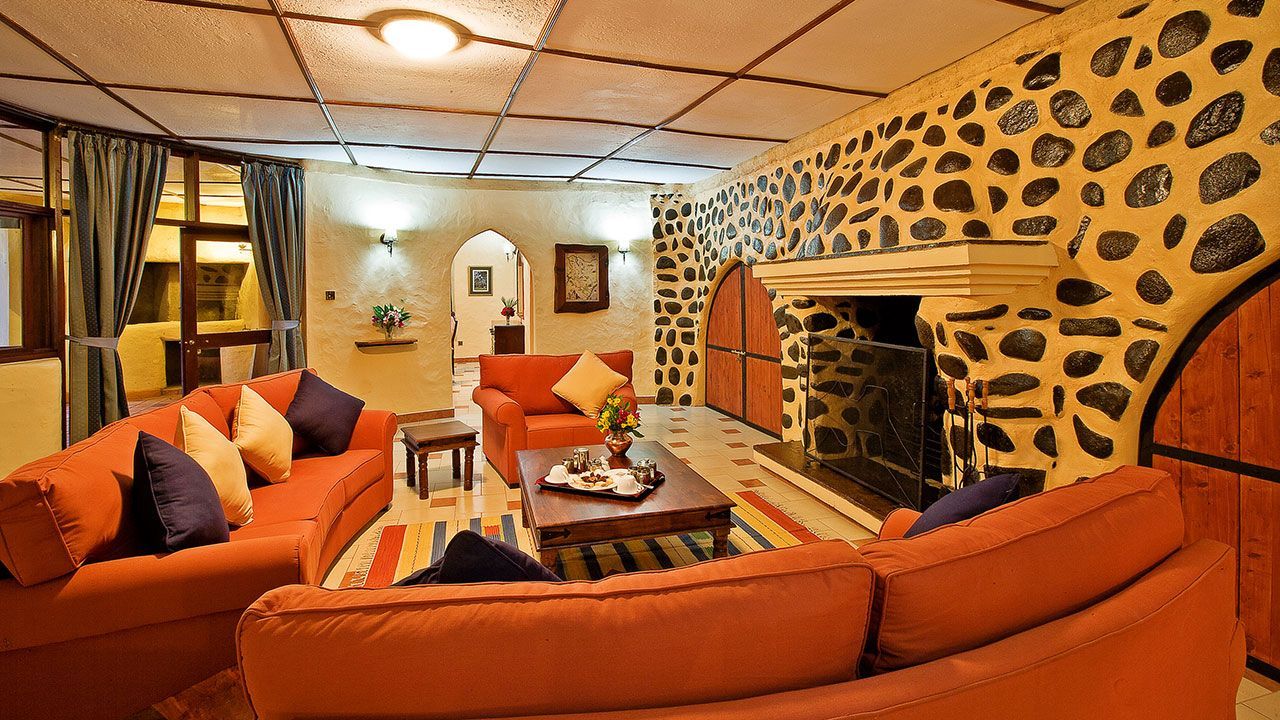
Amboseli Sopa Lodge
Just outside Amboseli National Park
Set in 200 acres of private land, and with a rustic charm all of its own, the Amboseli Sopa Lodge nestles in the foothills of Mount Kilimanjaro
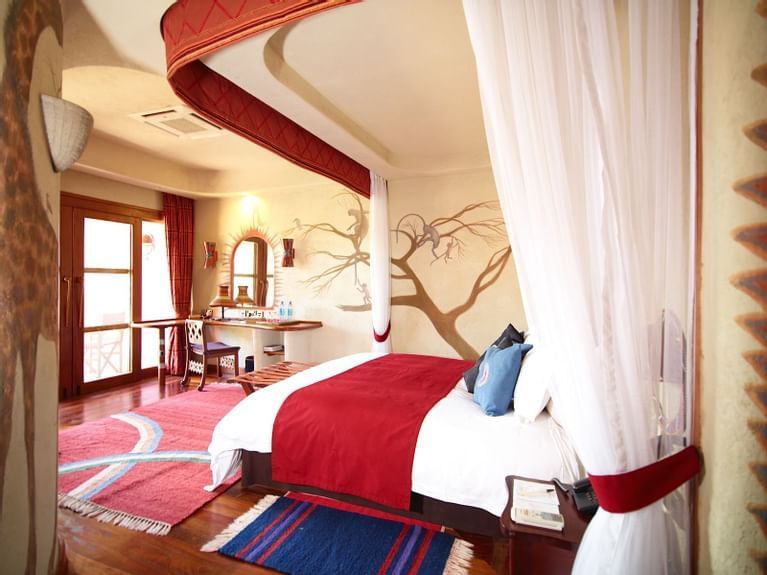
Amboseli Serena Safari Lodge
Amboseli National Park
The Amboseli Serena Safari Lodge is located within the Amboseli National Park and has great views over the plains towards Mount Kilimanjaro.
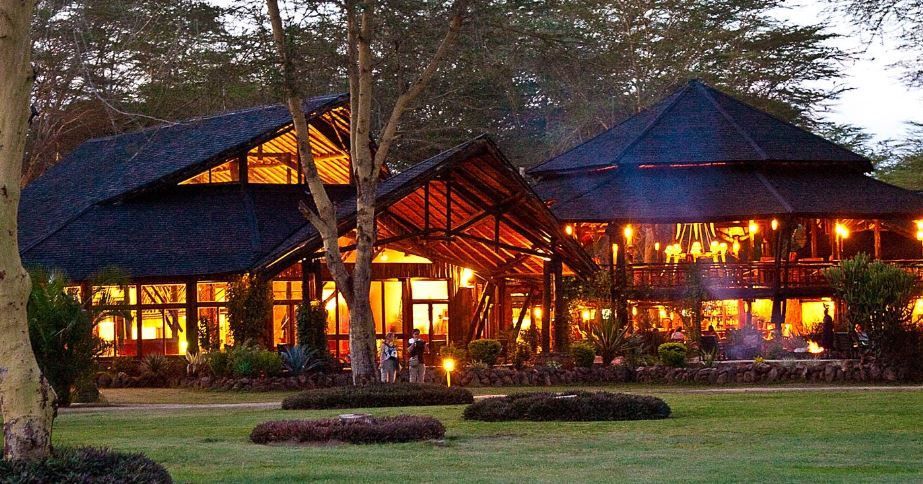
Ol Tukai Lodge
Amboseli National Park
Ol Tukai Lodges features 80 luxury chalet-style twin rooms, all with an uninterrupted view of the wetlands or the magnificent Mt. Kilimanjaro.
We have access to a wide range of handpicked accommodation options — from rustic eco-camps and authentic bush lodges to stylish tented retreats with breathtaking views. If you don’t see the exact lodge or camp you’re looking for, just let us know — we can arrange a variety of stays to suit different tastes, travel styles, and budgets.
Average Weather and Climate in Lango Bai & Lekoli River
The Congo Basin’s climate is equatorial, meaning it is generally hot and humid year-round, but with distinct wet and dry cycles that shape the safari experience.
The dry season (June–September) offers the most comfortable conditions, with daytime temperatures around 27–30°C and lower humidity. Trails are firmer, river conditions calmer, and wildlife congregates more predictably at the bai, making sightings exceptional. Nights are cooler, often dipping to 18–20°C, making evenings pleasant.
The wet seasons (October–December, March–May) bring heavy but short-lived showers. Daytime highs remain warm, but the rain transforms the forest into a vibrant, emerald wonderland. Wildlife disperses slightly but remains active, and birdlife flourishes.
Photographers are rewarded with atmospheric light, misty mornings, and dramatic stormclouds. Trails can be muddy, but for many, this adds to the adventure.
Between December and February, a brief dry spell emerges, creating good conditions for travel with fewer visitors. This period is also prime for parrot gatherings and bird migrations.
The overall impression is one of lush, ever-changing scenery — rain-slick leaves shining under dappled sunlight, rivers swelling and retreating, and skies that shift from brilliant blue to brooding grey in moments. Though less predictable than savannah climates, the Congo Basin rewards travellers with atmosphere, drama, and year-round wildlife encounters.
Combine with Other Destinations
Lango Bai & the Lekoli River combine naturally with other areas of Odzala-Kokoua National Park, such as Mbomo Bai and the gorilla trekking regions of Ngaga.
Together, they provide a diverse safari circuit that balances swamp, river, and forest experiences.
For those seeking a broader adventure, the Republic of Congo pairs well with Gabon’s Loango National Park — where rainforest meets ocean — or Central African Republic’s Dzanga-Sangha Reserve, famed for its own dramatic bai and gorilla experiences.
Each destination offers a unique slice of the Congo Basin, from coastal lagoons to remote forest clearings.
Located within reach of Brazzaville, the park can also be a starting or ending point for regional journeys linking to East or Southern Africa.
Whether you want to deepen your rainforest exploration or contrast it with savannah safaris in Kenya, Tanzania, or Botswana, we can design a seamless itinerary.
Talk to us about creating your perfect journey.
Travelling from the UK to Lango Bai
Travelling to the Congo Basin is part of the adventure. From London, there are no direct flights to Brazzaville, the Republic of Congo’s capital. Most travellers connect via Paris, Addis Ababa, Nairobi, or Casablanca, with total journey times of around 11–14 hours depending on the route.
From Brazzaville, guests typically take a chartered light aircraft or a combination of domestic flight and road transfer into Odzala-Kokoua National Park. The journey itself is scenic, flying over unbroken rainforest canopy before touching down near camp.
Transfers into the park can take several hours but offer glimpses of rural life and the scale of the Congo wilderness.
UK passport holders require a visa for entry to the Republic of Congo, which must be obtained in advance. Passports should be valid for at least six months from the date of entry. Malaria is present in the region, so prophylaxis is recommended, along with routine vaccinations. Awake in the Wild provides up-to-date travel health guidance during planning.
From flights to transfers, we handle every logistical detail, ensuring your journey is safe, seamless, and focused on the adventure ahead.
Discover the Wild, Your Way: Tailor Your Lango Bai & Lekoli River Safari with Us
Step into the untouched heart of the Congo Basin, where elephants wade through mineral-rich swamps, parrots darken the skies, and the rainforest breathes with life all around you. Lango Bai and the Lekoli River are not just safari destinations — they are places of revelation, intimacy, and wonder, waiting to be discovered by only the most intrepid travellers.
Talk to us about the experiences you’ve always dreamed of. We’ll match you with handpicked lodges, expert local guides, and authentic adventures that bring Lango Bai & the Lekoli River to life.
Speak to one of our safari specialists today — call us or fill out our quick enquiry form, and let’s start planning your tailor-made adventure.
Send an Enquiry
We will get back to you as soon as possible.
Please try again later.
Frequently Asked Questions
What makes Lango Bai special compared to other safari destinations?
Lango Bai is a mineral-rich swamp clearing where wildlife gathers daily, offering rare close-up encounters with forest elephants, buffalo, and bongo antelope. It provides a safari experience unlike the savannahs of East Africa — intimate, raw, and deeply atmospheric.
When is the best time to visit Lango Bai & Lekoli River?
The dry season from June to September is the best time, when trails are firmer and wildlife congregates more predictably at the bai. A short dry spell between December and February also offers good conditions with fewer visitors.
What wildlife can I expect to see here?
Signature species include forest elephants, forest buffalo, sitatunga, giant forest hogs, and the elusive bongo. The area is also rich in primates and birdlife, including African grey parrots and turacos. Gorilla trekking is available in nearby parts of Odzala-Kokoua National Park.
Is Lango Bai suitable for first-time safari travellers?
Yes, though it is more adventurous than classic safari destinations. Travellers looking for something truly unique and less commercialised will find it rewarding, but should be prepared for muddy trails, high humidity, and off-the-beaten-path travel.
How accessible is Lango Bai & Lekoli River?
Travellers fly from London to Brazzaville via hubs such as Paris, Addis Ababa, or Nairobi, then connect by charter flight and road transfers into Odzala-Kokoua National Park. The journey is part of the adventure, with scenic views of the Congo Basin rainforest.
Can Lango Bai be combined with other safari destinations?
Yes. It pairs well with other parts of Odzala-Kokoua, Gabon’s Loango National Park, or the Dzanga-Sangha Reserve in the Central African Republic. We can also create itineraries combining the Congo Basin with East or Southern African safaris for a contrast of ecosystems.
Is it safe to travel to Lango Bai & Lekoli River?
Yes, when booked through trusted operators. Camps are well-managed, transfers are secure, and guides are highly experienced in rainforest conditions. Awake in the Wild ensures all travel is carefully planned with safety and comfort in mind.
What type of accommodation is available?
Options include eco-luxury lodges, tented camps, boutique bush retreats, and even treehouse-style stays. Each is designed to immerse guests in the rainforest while balancing comfort and sustainability.
What should I pack for a safari here?
Lightweight, breathable clothing, waterproof boots, a rain jacket, insect repellent, binoculars, and a good camera are essential. Layers are helpful for cooler mornings and evenings, even in the tropics. We provide detailed packing lists tailored to your travel dates.
Do UK travellers need a visa to visit?
Yes, UK passport holders require a visa for the Republic of Congo, which must be arranged in advance. Passports should have at least six months’ validity. Malaria prophylaxis is recommended, along with routine vaccinations. Awake in the Wild guides you through all entry requirements.