Makgadikgadi Pans National Park Safaris
Endless salt flats, meerkat encounters, and surreal desert sunsets across Botswana’s ancient pans.
Best Time To Go
May to October (dry season for salt pan experiences) and November to April (green season for wildlife and zebra migration)
High Season
June to September
Size
Approx 4,900 square kilometres
Altitude
900–1,000 metres
above sea level
Makgadikgadi Pans National Park Safari Holidays
Vast Salt Pans and Desert Life Reimagined
Makgadikgadi Pans National Park is one of the world’s largest salt flats — a place where horizons stretch forever and landscapes shift between desolate beauty and vibrant life.
This surreal corner of Botswana offers a safari unlike anywhere else, combining unique desert wildlife with some of Africa’s most otherworldly scenery.
Why Visit Makgadikgadi Pans National Park?
The Makgadikgadi Pans are the remains of an ancient super-lake that once covered much of Botswana. Today, these vast salt flats create an extraordinary environment — dazzlingly white in the dry season and transformed into shimmering wetlands when rains arrive. The sheer scale and emptiness make it one of the most atmospheric safari destinations in Africa.
Signature highlights include guided meerkat encounters, where these charismatic creatures scuttle across the pans and occasionally use guests as lookout posts. During the wet season, flamingos arrive in their thousands, turning the stark white landscape into a sea of pink. For travellers seeking something out of the ordinary, Makgadikgadi offers a safari with a sense of discovery and surprise.
The park’s habitats are starkly different to Botswana’s more famous river systems. Here, it’s about wide-open spaces, desert-adapted species, and the drama of seasonal change. When the rains come, herds of zebra and wildebeest migrate across the pans — one of Africa’s great but lesser-known wildlife spectacles. In contrast, the dry season is all about stargazing, quad biking across endless salt flats, and the eerie silence of the desert.
What makes Makgadikgadi truly unique is its pace and atmosphere. Unlike Chobe or the Okavango, this is not about dense concentrations of game but about the contrasts — the stillness of the pans, the sudden drama of a lion hunt on the edge of the desert, and the deep cultural history of the San Bushmen who have called this land home for millennia.
Wildlife and Nature
Makgadikgadi is a study in extremes. In the dry season, the pans are vast white expanses — silent, shimmering under the sun, with mirages dancing on the horizon. The salt crust crunches underfoot, and at night the Milky Way blazes across a sky unpolluted by artificial light.
But when rains fall between November and April, the pans transform. Shallow waters spread across the landscape, attracting thousands of flamingos and turning Makgadikgadi into one of Africa’s most important birding destinations. The air fills with the calls of waders, and the once-lifeless flats become a temporary oasis.
Wildlife is equally seasonal. Desert-adapted antelope such as gemsbok and springbok thrive year-round, but during the wet season, massive herds of zebra and wildebeest migrate here from the Boteti River. This migration, though lesser-known than the Serengeti’s, is one of the largest in Southern Africa, drawing predators like lions, cheetahs, and brown hyenas in pursuit.
Conservation organisations work to protect this fragile desert ecosystem and to monitor the health of the flamingo breeding colonies. For photographers, Makgadikgadi offers some of Africa’s most surreal shots — meerkats silhouetted against a glowing sunset, flamingos reflected in mirror-like pans, or a 360° horizon of endless salt flats. The stillness, punctuated by sudden bursts of life, makes Makgadikgadi’s wildlife encounters uniquely unforgettable.
Best Time to Visit The Makgadikgadi Pans
Dry Season (May–October): The salt pans are at their starkest and most dramatic. Quad biking, stargazing, and meerkat encounters are at their best. Wildlife concentrates along the Boteti River, where elephants and predators gather. Skies are crystal clear, making this the ideal season for astrophotography.
Green/Wet Season (November–April): Rain transforms the desert into a wetland. This is the time to see flamingos in their thousands and to witness the zebra and wildebeest migration. The landscapes become lush and photogenic, though road access can be more challenging. For birders, this is the best time of year.
Special Events: The zebra migration, peaking between December and March, is a spectacle unique to Botswana, with dramatic predator-prey interactions. Flamingo gatherings, particularly in wet years, are world-class natural events.
Photography Tips: For desert-scape shots, visit in the dry months for clear skies and golden sunsets. For wildlife drama, time your visit with the green season migration. At night, long exposures capture star trails above the vast pans, creating extraordinary images.
Travel Insights: Dry season roads are accessible but dusty; wet season travel may require expert guiding and 4x4 vehicles. Crowds are never overwhelming here, making Makgadikgadi one of Botswana’s most atmospheric and peaceful safari options.
Safari Experiences in The Makgadikgadi Pans
Makgadikgadi is not your traditional safari — it’s an adventure that blends surreal landscapes, desert wildlife, and cultural encounters. Every experience feels like stepping into another world.
- Meerkat Encounters at Dawn: Watch the sun rise as families of meerkats emerge from their burrows. Curious and fearless, they often climb onto guests for a better vantage point — an intimate and unforgettable wildlife moment unique to Makgadikgadi.
- Quad Biking Across the Pans: In the dry season, the vast white flats stretch endlessly. Quad biking across this lunar-like surface feels like riding through infinity, with nothing but silence and mirages around you.
- Zebra Migration in the Green Season: From December to March, Makgadikgadi becomes the stage for Southern Africa’s largest zebra migration. Thousands of hooves thunder across the pans, followed closely by lions and hyenas.
- Flamingo Spectacle on Seasonal Lakes: When rains fill the pans, tens of thousands of flamingos gather to feed and breed. The sight of pink wings against silver water is one of Africa’s most surreal natural phenomena.
- Bushman Cultural Walks: Join San guides on interpretive walks to learn desert survival skills, traditional foraging, and storytelling passed down through generations. These encounters provide deep cultural insight into life on the edge of the desert.
- Stargazing Under Desert Skies: With no light pollution, nights here reveal galaxies in astonishing detail. Sitting by a campfire on the salt flats as the stars wheel overhead is an experience beyond compare.
Where to Stay in The Makgadikgadi Pans
Makgadikgadi Pans National Park offers a wide range of accommodation options to suit different preferences and budgets, all set within or just outside the park boundaries. These typically include:
- Eco-luxury lodges – Stylish desert lodges blending luxury with sustainability, offering panoramic views, plunge pools, and gourmet dining, often with star beds for sleeping under the open sky.
- Tented camps – Classic under-canvas safari stays with modern comforts, placing you close to the heart of the pans’ seasonal drama and wildlife action.
- Boutique bush retreats – Small, character-filled camps with personalised hosting and eco-friendly practices, ideal for travellers seeking intimacy and authenticity.
- Mobile fly-camps – Seasonal, lightweight camps that follow the zebra migration or set up deep in the pans, offering the most immersive and adventurous desert experience.
At Awake in the Wild, we work only with lodges and camps that meet our ethical and sustainability standards. Whether you’re looking for solar-powered luxury or a simple campfire safari experience, we’ll match you to the perfect base. If you don’t see the exact lodge or camp you’re looking for, just let us know — we’re able to arrange a variety of stays to suit different tastes, travel styles, and budgets.
A Selection of our Makgadikgadi Pans Safari Accommodation
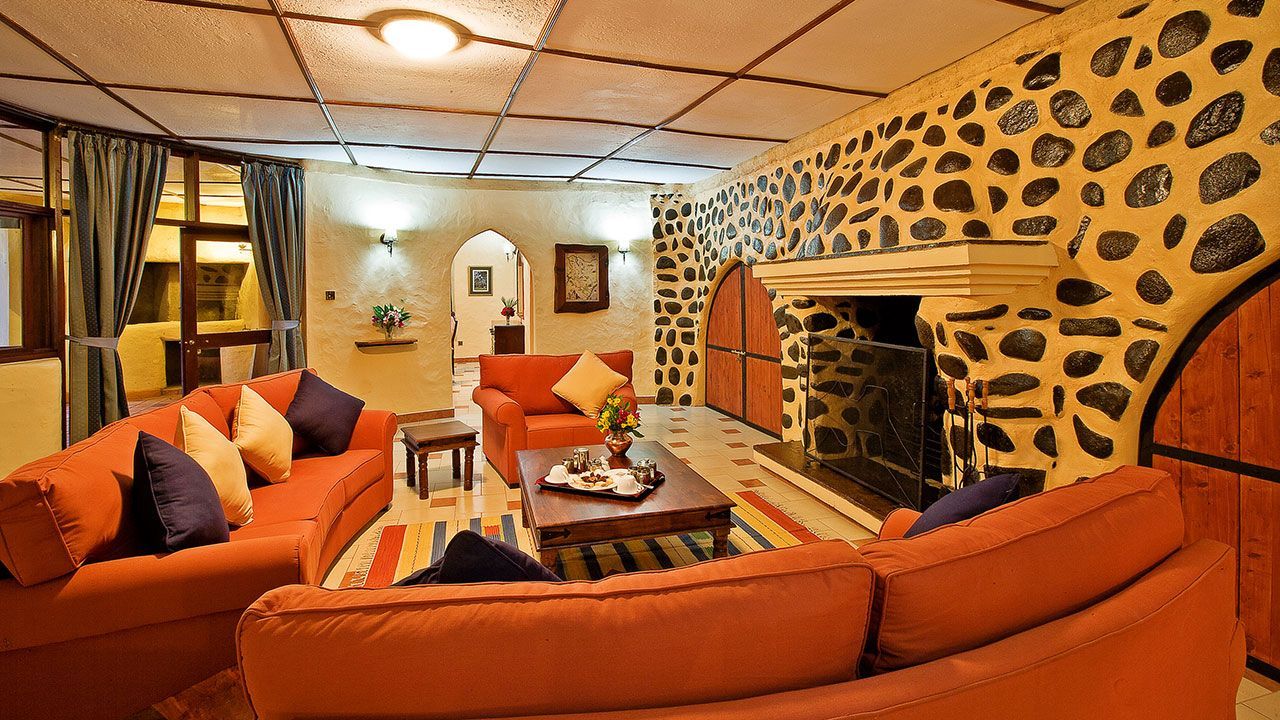
Amboseli Sopa Lodge
Just outside Amboseli National Park
Set in 200 acres of private land, and with a rustic charm all of its own, the Amboseli Sopa Lodge nestles in the foothills of Mount Kilimanjaro
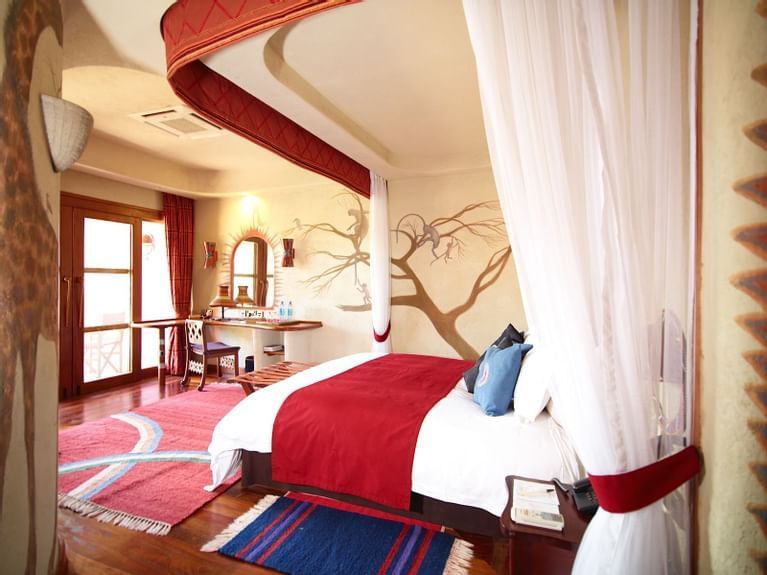
Amboseli Serena Safari Lodge
Amboseli National Park
The Amboseli Serena Safari Lodge is located within the Amboseli National Park and has great views over the plains towards Mount Kilimanjaro.
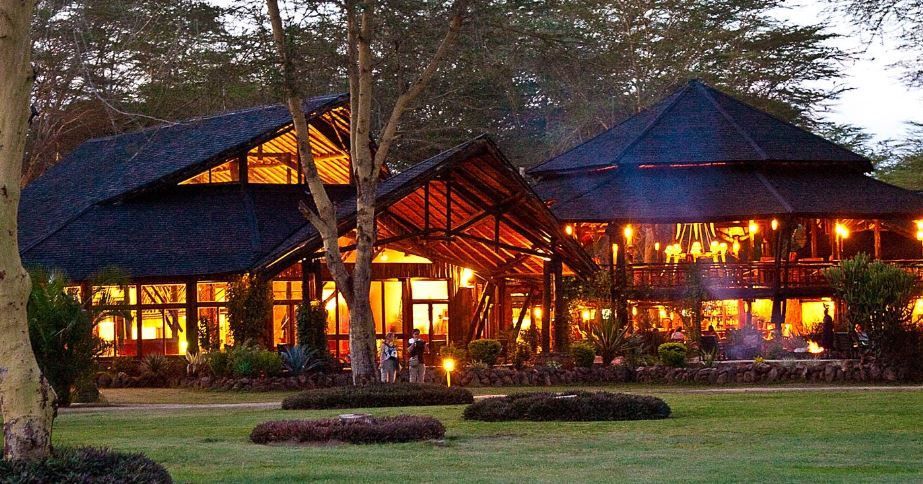
Ol Tukai Lodge
Amboseli National Park
Ol Tukai Lodges features 80 luxury chalet-style twin rooms, all with an uninterrupted view of the wetlands or the magnificent Mt. Kilimanjaro.
We have access to a wide range of handpicked accommodation options — from rustic eco-camps and authentic bush lodges to stylish tented retreats with breathtaking views. If you don’t see the exact lodge or camp you’re looking for, just let us know — we can arrange a variety of stays to suit different tastes, travel styles, and budgets.
Average Weather and Climate in The Makgadikgadi Pans
Makgadikgadi is defined by extremes.
From May to October, the dry season dominates. Days are warm, skies are cloudless, and the salt flats crack and glitter in the heat. Nights can be surprisingly cold, especially in June and July. Wildlife concentrates around the Boteti River, and activities like quad biking and stargazing are at their best.
From November to April, rains transform the pans into a shimmering wetland. Thunderstorms roll dramatically across the horizon, grasses sprout, and migratory species arrive. While roads may be muddy, the rewards include flamingo gatherings, zebra migrations, and lush, photogenic landscapes.
October is the hottest month, with searing daytime temperatures that test even seasoned travellers. Yet this intensity sets the stage for the first rains and the life they bring.
Overall, Makgadikgadi offers two very different but equally compelling safari experiences — the stark, silent beauty of the dry season and the explosive renewal of the wet season.
Combine with Other Destinations
Makgadikgadi combines effortlessly with Botswana’s other highlights. The Okavango Delta offers the lush, water-filled contrast to the stark desert pans, creating one of Africa’s most iconic dual-destination safaris.
Chobe National Park, with its elephant herds and riverfront safaris, adds further diversity, while the Central Kalahari deepens the desert theme with predator drama and endless horizons.
Makgadikgadi’s location between Maun and northern Botswana makes it a natural stop on a broader safari circuit.
Talk to us about creating a custom itinerary that weaves Makgadikgadi into your Botswana adventure.
Travelling from the UK to Makgadikgadi Pans
Most UK travellers fly overnight from London to Johannesburg (approx. 11 hours), then connect to Maun, Botswana. From Maun, light aircraft flights or guided 4x4 transfers bring you into Makgadikgadi. Total travel time is around 15–18 hours depending on connections.
UK passport holders do not need a visa for Botswana for stays up to 90 days, but passports must be valid for six months beyond travel. Recommended health preparations include malaria precautions and routine vaccinations — Awake in the Wild provides up-to-date guidance.
We handle all logistics, from international flights to light aircraft transfers and lodge connections, ensuring your journey into Botswana’s desert heartland is seamless and stress-free.
Discover the Wild, Your Way: Tailor Your Makgadikgadi Pans Safari with Us
Makgadikgadi Pans National Park is a place of wonder and contrast — where silence stretches across endless salt flats, then bursts into life with flamingos, zebra, and desert predators. It’s a safari that feels both timeless and otherworldly, offering experiences you’ll find nowhere else in Africa.
Talk to us about the experiences you’ve always dreamed of. We’ll match you with handpicked lodges, expert local guides, and authentic adventures that bring Makgadikgadi Pans to life.
Speak to one of our safari specialists today — call us or fill out our quick enquiry form, and let’s start planning your tailor-made adventure.
Send an Enquiry
We will get back to you as soon as possible.
Please try again later.
Frequently Asked Questions
What is Makgadikgadi Pans National Park famous for?
It’s known for its vast salt flats, charismatic meerkats, and the seasonal zebra migration. In the wet season, thousands of flamingos transform the pans into a pink spectacle.
When is the best time to visit Makgadikgadi?
Visit in the dry season (May–October) for quad biking, stargazing, and meerkat encounters. The green season (November–April) is best for flamingos, lush scenery, and the zebra migration.
Is Makgadikgadi suitable for first-time safari travellers?
Yes — while it’s different from classic savannah safaris, it offers unique experiences that are easy to enjoy, such as boat trips on the Boteti River and cultural encounters with the San Bushmen.
What wildlife can I expect to see?
Desert-adapted antelope, brown hyenas, lions, cheetahs, and large herds of zebra and wildebeest during migration. Flamingos and migratory birds arrive in huge numbers after the rains.
How do you get to Makgadikgadi from the UK?
Most travellers fly overnight to Johannesburg, then on to Maun, Botswana. From Maun, light aircraft or 4x4 transfers reach the pans. Awake in the Wild arranges the entire journey.
Can I combine Makgadikgadi with other destinations?
Yes — it’s ideally combined with the Okavango Delta for water-based safaris, or Chobe National Park for elephant encounters. Central Kalahari is another excellent desert complement.
Is Makgadikgadi family-friendly?
Yes, particularly for families with older children who will enjoy quad biking, meerkat encounters, and cultural activities. Some lodges also offer family suites and tailored programmes.
Is it safe to travel to Makgadikgadi?
Yes. Botswana is one of Africa’s safest safari destinations. Camps and lodges are guided by professionals and follow strict safety standards.
What accommodation options are available?
Options range from luxury desert lodges with star beds to intimate tented camps and adventurous mobile fly-camps. Awake in the Wild partners only with properties that meet sustainability standards.
Do UK travellers need a visa for Botswana?
No. UK passport holders can stay in Botswana for up to 90 days without a visa. Passports must be valid for at least six months beyond travel.