Kibale Forest National Park Safaris
Lush rainforest, wild chimpanzees, and a symphony of bird calls in Uganda’s primate capital.
Best Time To Go
December to February and June to September (dry season)
High Season
June to September
Size
Approx 766 square kilometres
Altitude
1,100–1,600 metres
above sea level
Kibale Forest National Park Safari Holidays
Land of Primates and Emerald Forests
Kibale Forest National Park is Uganda’s crown jewel for primate safaris, famed as one of the best places in the world to see chimpanzees in the wild. With its lush rainforest canopy, rolling hills, and rich biodiversity, the park offers a deeply immersive safari experience unlike anywhere else in Africa.
A visit here is a chance to step into a living, breathing jungle where wildlife encounters feel raw, intimate, and utterly unforgettable.
Why Visit Kibale Forest National Park?
Located in western Uganda, just south of Fort Portal, Kibale Forest is a pristine rainforest sanctuary that blends dramatic landscapes with extraordinary wildlife diversity. Unlike the vast savannahs of East Africa, Kibale’s appeal lies in its dense canopies, tangled vines, and moss-covered trees where life flourishes at every level — from forest floor to treetop.
The park is home to an incredible 13 species of primates, making it one of the most primate-rich regions in Africa. While chimpanzee trekking is the headline attraction, visitors also encounter red colobus, L’Hoest’s monkeys, grey-cheeked mangabeys, and the playful black-and-white colobus monkeys.
Beyond primates, Kibale’s varied habitats — wetlands, grasslands, and riverine forest — create havens for elephants, buffalo, bushpigs, and over 375 bird species, including the rare and sought-after green-breasted pitta. What sets Kibale apart from other destinations is its intimacy: the quiet of the forest makes encounters personal, and the density of wildlife ensures every trek brings thrilling discoveries.
A visit to Kibale isn’t just about wildlife — it’s also a cultural journey. Local communities play an active role in conservation, offering visitors the chance to experience Ugandan traditions, music, and hospitality alongside their safari.
Wildlife and Nature
Walking into Kibale Forest feels like entering a living cathedral of green. Towering fig trees stretch skyward, their branches woven together with lianas, while butterflies flash through beams of sunlight and the forest hums with the calls of distant primates. The air is cool and damp, carrying the earthy scent of moss and fresh rain.
The park is world-renowned as the best place on Earth for wild chimpanzee encounters. Visitors can track habituated troops, watching as they groom one another, forage for figs, or leap effortlessly between branches. Seeing their intelligence and social bonds up close is often described as one of Africa’s most moving wildlife experiences.
But Kibale’s wildlife doesn’t stop at chimpanzees. It harbours 12 other primate species, from the elusive nocturnal bushbabies to the regal red colobus and the agile L’Hoest’s monkey. Large mammals such as forest elephants and giant forest hogs also roam its undergrowth, while duikers and buffalo are occasionally sighted in the clearings.
Birdlife here is exceptional. Over 375 species have been recorded, with highlights including African grey parrots, blue-breasted kingfishers, and the rare green-breasted pitta. The wet season, though muddy, brings a surge of avian activity, making it a paradise for birdwatchers.
Kibale is also a centre of conservation and research. The park hosts the long-standing Kibale Chimpanzee Project, dedicated to primate research and protection, while eco-tourism initiatives with local communities ensure that the benefits of conservation are shared. For photographers, the interplay of light filtering through the canopy offers spectacular backdrops — especially when capturing the expressive faces of chimpanzees or the bright plumage of forest birds.
Best Time to Visit Kibale
The dry seasons of December to February and June to September are the most popular times to visit Kibale.
Trails are firm underfoot, making trekking easier, and wildlife activity peaks as chimpanzees and monkeys gather around fruiting trees.
These months are especially rewarding for photography, with clear light streaming through the canopy and increased chances of long, uninterrupted encounters.
During the green seasons (March–May and October–November), the forest transforms into a lush paradise.
Heavy rains rejuvenate the undergrowth, creating vibrant backdrops for bird photography and drawing in migratory species.
While chimpanzee tracking can be muddier and more challenging, the payoff is fewer crowds and a truly wild, off-the-beaten-track feel.
Unique seasonal highlights include chimpanzees feeding noisily in fig trees during the wet months and heightened bird activity in April and May.
For those seeking iconic photographs, early morning treks are best — shafts of golden light pierce the canopy, illuminating misty trails and dramatic silhouettes.
Travellers should note that while access roads remain passable year-round, conditions can be slippery in peak rains.
However, this adds to the sense of adventure, making Kibale a rewarding destination no matter the season.
Safari Experiences in Kibale
Kibale offers an array of immersive safari experiences designed to showcase its extraordinary wildlife and deep cultural roots. From chimpanzee trekking to birdwatching and local encounters, every activity here feels personal, authentic, and unforgettable.
Chimpanzee Trekking Adventures: The highlight of any visit, trekking into the forest to meet wild chimpanzees is nothing short of transformative. Accompanied by expert rangers, you’ll follow fresh calls and knuckle prints until you come face-to-face with our closest relatives — watching them feed, play, and communicate in ways that feel startlingly familiar.
Chimpanzee Habituation Experience: For those seeking a deeper encounter, Kibale offers a full-day habituation experience where you can join researchers and trackers as they observe chimps from dawn until dusk. This rare opportunity provides a window into primate behaviour, from morning nest-building to evening rest calls.
Primates Beyond Chimps: While chimps steal the show, Kibale’s diversity of 13 primate species makes every trek rewarding. You might spot the endangered red colobus, hear the distinctive whoops of grey-cheeked mangabeys, or see troops of playful vervet monkeys swinging above.
Birding in the Canopy: Bird enthusiasts will find Kibale a paradise. With species ranging from African pittas to crowned eagles, the forest is alive with colour and song. Specialist guides help spot rare species, and the mix of forest, swamp, and grassland habitats ensures variety throughout the day.
Nocturnal Forest Walks: As dusk falls, Kibale reveals a different side. Night walks bring sightings of bushbabies, pottos, and civets, their eyes glowing in torchlight. The forest comes alive with nocturnal calls, offering a thrilling, sensory safari few ever experience.
Community and Cultural Encounters: Kibale’s local communities play a central role in conservation. Visitors can join cultural tours, learning traditional dances, basket weaving, or tasting local dishes. These experiences highlight the deep bond between people and forest, adding a meaningful layer to your safari.
Where to Stay in Kibale Forest National Park
Kibale Forest National Park offers a range of accommodation to suit different preferences and budgets, all set within or just outside the park boundaries. Options include:
- Eco-luxury lodges: Stylish retreats with sweeping rainforest views, infinity pools, and private decks where you can listen to chimpanzees calling at dawn. Expect gourmet dining, attentive service, and eco-friendly design that blends seamlessly into the forest.
- Tented camps: Immersive and atmospheric, these canvas camps let you fall asleep to the sound of crickets and chimpanzee hoots. With ensuite bathrooms, comfortable furnishings, and lantern-lit dinners, they combine adventure with comfort.
- Boutique bush retreats: Charming, intimate, and authentic, these small-scale stays are run with warmth and character. Often family-owned, they emphasise eco-conscious practices and personalised hosting in scenic locations.
At Awake in the Wild, we work only with lodges and camps that meet our ethical and sustainability standards. Whether you’re looking for solar-powered luxury or a simple campfire safari experience, we’ll match you to the perfect base. If you don’t see the exact lodge or camp you’re looking for, just let us know — we’re able to arrange a variety of stays to suit different tastes, travel styles, and budgets.
A Selection of our Kibble Safari Accommodation
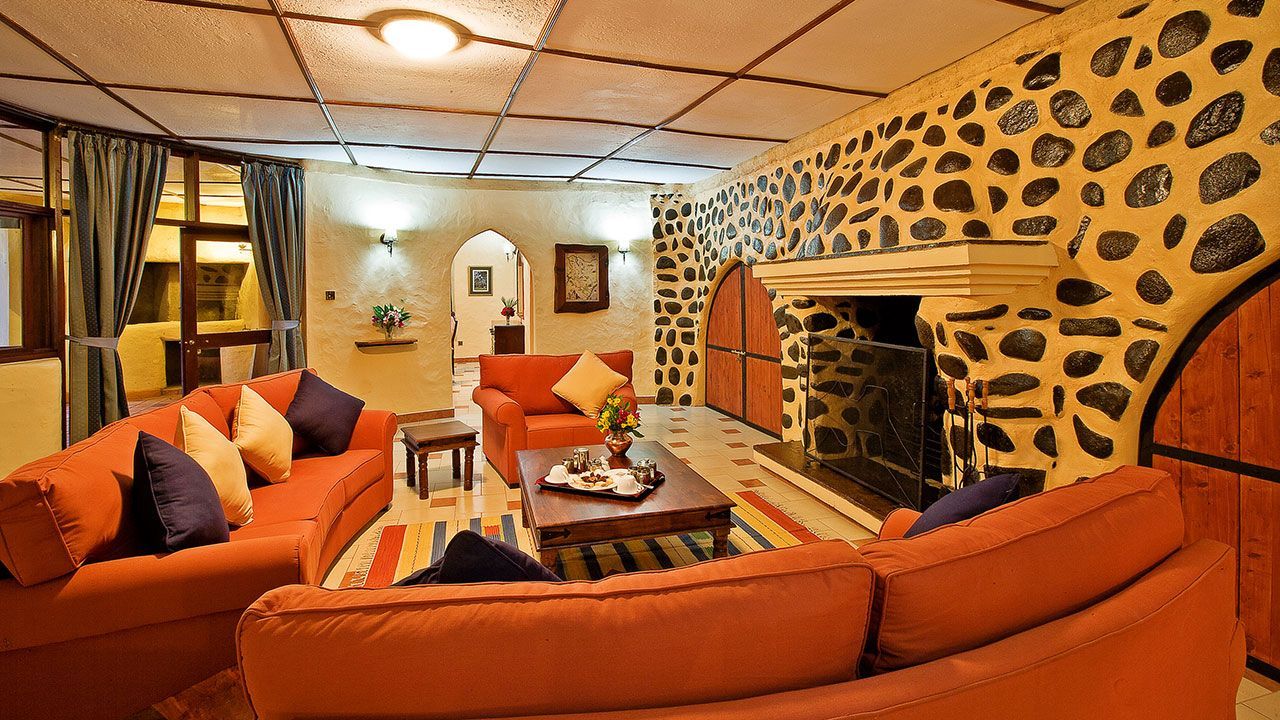
Amboseli Sopa Lodge
Just outside Amboseli National Park
Set in 200 acres of private land, and with a rustic charm all of its own, the Amboseli Sopa Lodge nestles in the foothills of Mount Kilimanjaro
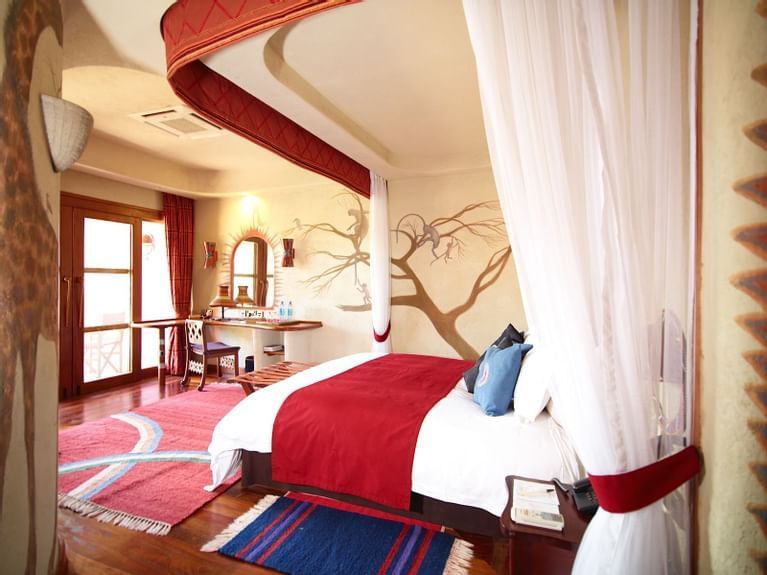
Amboseli Serena Safari Lodge
Amboseli National Park
The Amboseli Serena Safari Lodge is located within the Amboseli National Park and has great views over the plains towards Mount Kilimanjaro.
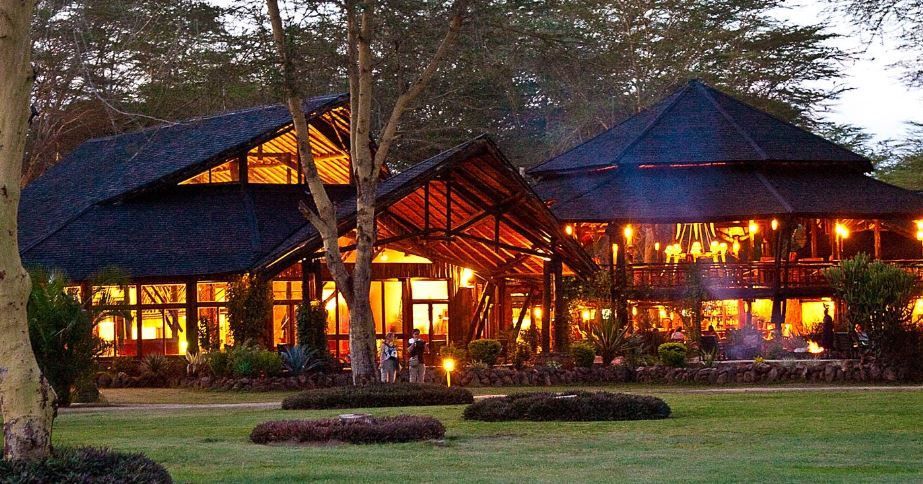
Ol Tukai Lodge
Amboseli National Park
Ol Tukai Lodges features 80 luxury chalet-style twin rooms, all with an uninterrupted view of the wetlands or the magnificent Mt. Kilimanjaro.
We have access to a wide range of handpicked accommodation options — from rustic eco-camps and authentic bush lodges to stylish tented retreats with breathtaking views. If you don’t see the exact lodge or camp you’re looking for, just let us know — we can arrange a variety of stays to suit different tastes, travel styles, and budgets.
Average Weather and Climate in Kibale
Kibale enjoys a temperate climate thanks to its altitude, making it comfortable for trekking year-round. The dry seasons (December–February and June–September) are cooler and less humid, with clear skies and easier walking conditions. Temperatures range from 15°C in the mornings to around 27°C during the day.
The long rains (March–May) bring heavy downpours, rejuvenating the forest into a lush, vibrant green. Trails can be muddy, but the dramatic transformation makes for stunning photography and excellent birdwatching.
The short rains (October–November) are less intense but still freshen the forest. Wildlife encounters remain strong, with chimps particularly active in fruiting trees.
Seasonal weather shapes the experience here — from the misty mornings perfect for photography to the lush green carpets after rainfall. Whatever the season, Kibale’s climate enhances its unique rainforest atmosphere.
Combine with Other Destinations
Kibale Forest pairs effortlessly with Uganda’s other safari gems. Queen Elizabeth National Park lies just to the south, offering savannah game drives and boat cruises on the Kazinga Channel — a perfect complement to Kibale’s forested intimacy.
To the north, Murchison Falls National Park delivers spectacular Nile scenery, powerful waterfalls, and iconic savannah wildlife including lions, giraffes, and hippos. Closer by, the Bigodi Wetlands Sanctuary provides excellent birding and community-based tourism experiences.
For those seeking the ultimate Ugandan journey, Kibale is often combined with Bwindi Impenetrable National Park, home to the rare mountain gorillas. The contrast between chimpanzee trekking in Kibale and gorilla trekking in Bwindi makes for a once-in-a-lifetime double primate adventure.
Talk to us about creating a custom itinerary that combines Kibale’s rainforest magic with Uganda’s other remarkable safari landscapes.
Travelling from the UK to Kibale
Travellers typically fly from the UK into Entebbe International Airport near Kampala.
From here, Kibale is reached by a domestic flight to Kasese or a scenic 5–6 hour drive through Uganda’s rolling countryside.
Awake in the Wild arranges all flights, transfers, and logistics, ensuring your journey is smooth and stress-free from the moment you land.
Discover the Wild, Your Way: Tailor Your Kibale Safari with Us
Kibale Forest National Park is unlike anywhere else in Africa — a place where wild chimpanzees swing overhead, bird calls echo through misty trees, and every trek feels like an adventure into the unknown. If you’re looking for an intimate, primate-rich safari framed by emerald landscapes, Kibale is the destination that will stay with you forever.
Talk to us about the experiences you’ve always dreamed of. We’ll match you with handpicked lodges, expert local guides, and authentic adventures that bring Kibale Forest National Park to life.
Speak to one of our safari specialists today — call us or fill out our quick enquiry form, and let’s start planning your tailor-made adventure.
Send an Enquiry
We will get back to you as soon as possible.
Please try again later.
Frequently Asked Questions
What is the best time to visit Kibale Forest National Park?
The best times are during the dry seasons (December–February and June–September), when trekking trails are drier and chimpanzee tracking is easier. That said, the wet seasons (March–May and October–November) bring lush scenery and fantastic birdwatching, with fewer crowds.
Is Kibale suitable for first-time safari travellers?
Yes — Kibale is an excellent choice for first-timers looking for a more intimate safari experience. Unlike vast savannahs, the focus here is on up-close encounters with primates and the unique rainforest atmosphere, which makes it both manageable and deeply rewarding.
What wildlife can I expect to see in Kibale besides chimpanzees?
Kibale is home to 13 primate species, including red colobus, L’Hoest’s monkeys, and grey-cheeked mangabeys. You may also see forest elephants, buffalo, and bushpigs, along with over 375 bird species, from African grey parrots to the rare green-breasted pitta.
How difficult is chimpanzee trekking in Kibale?
Trekking is moderate, with trails that can be muddy or uneven, particularly in the rainy season. Most visitors in reasonable health can complete it. Treks usually last 2–4 hours, depending on chimpanzee movements, with expert guides leading the way.
Can Kibale be combined with other Ugandan parks?
Absolutely. Kibale pairs beautifully with Queen Elizabeth National Park for savannah safaris, Bwindi Impenetrable National Park for gorilla trekking, and Murchison Falls for river safaris and dramatic landscapes. Many travellers choose a primate circuit, combining chimpanzees in Kibale with gorillas in Bwindi.
Is Kibale a family-friendly safari destination?
Children under 15 cannot participate in chimpanzee trekking, but families can still enjoy nature walks, birding, and community visits. Many lodges welcome children and provide engaging activities like guided forest walks around the camp.
How safe is it to visit Kibale Forest National Park?
Very safe. Treks are always guided by professional rangers, and chimpanzee groups are habituated to human presence. Visitors are given safety briefings before excursions, and the park maintains strict conservation and security protocols.
What accommodation options are available in Kibale?
You can choose from eco-luxury lodges with stunning rainforest views, tented camps for a classic safari feel, or boutique bush retreats offering authentic, community-based hospitality. Awake in the Wild works with handpicked properties that meet high standards of sustainability and comfort.
How do I get to Kibale from the UK?
Fly from the UK to Entebbe International Airport, then either take a domestic flight to Kasese or enjoy a scenic 5–6 hour road transfer. Awake in the Wild organises all transfers and logistics, ensuring your journey is seamless.
Do UK travellers need a visa to visit Kibale?
Yes, UK visitors require a Ugandan tourist visa, which can be applied for online in advance. Your passport must be valid for at least six months beyond your travel dates. Awake in the Wild provides guidance on visa applications and entry requirements to make the process smooth.