Lake Manyara National Park Safaris
A Lake Manyara safari blends flamingo-lined shores, lush forests, and rare tree-climbing lions in vibrant Rift Valley scenery.
Best Time To Go
June to October for game viewing; November to May for birding and lush landscapes
High Season
July to March
Size
Approx 330 square kilometres including lake
Altitude
960 - 1,450 metres
above sea level
Lake Manyara National Park Safari Holidays
Where Forest Meets Flamingo Shores
Lake Manyara is small on the map yet huge in character.
Rift Valley cliffs rise to the west as a shimmering alkaline lake stretches to the horizon. In a single drive you move from groundwater forest to open floodplains and acacia woodland.
It feels like three parks in one. You notice the colour first. Then the movement. Flamingos turn the shoreline pink, elephants ghost through fig trees, and baboons spill across the track with theatrical confidence.
It’s a perfect warm-up to Ngorongoro and the Serengeti, but it also stands proudly on its own.
Why Visit Lake Manyara National Park?
Variety is Manyara’s calling card. Forest, lake, and savannah sit side by side, each with distinct wildlife.
The park is renowned for elephants and for lions that sometimes rest in branches.
Birdlife is rich, from pelicans and storks to iridescent bee-eaters.
The compact footprint keeps travel times short, so every hour counts. If you’re starting your northern circuit, it eases you in with gentle roads and high reward. If you’re ending here, it’s a soft landing of lakeside light and quiet forest shade.
Wildlife and Nature
Manyara’s alkaline waters attract huge flocks of flamingos when conditions are right, painting the lake with shifting bands of pink. Hippos crowd the pools and channels.
On drier ground you’ll find zebra, wildebeest, buffalo, giraffe, and impala. In the groundwater forest, elephants move through shafts of green light, often close to the road.
Lions sometimes climb trees here, a behaviour that keeps photographers on their toes.
Primates are part of the show too, with large troops of baboons and agile vervet monkeys.
The mosaic of habitats means you’re rarely between sightings for long.
Best Time to Visit Lake Manyara
For classic big-game viewing, June to October is the sweet spot.
Vegetation thins, wildlife hugs the remaining water, and visibility is excellent. Temperatures are pleasant by day and cool at night.
Birders often prefer November to May, when the park turns lush after the short and long rains.
Migratory species arrive and the forest hums with life. Roads can be damp in parts, but showers pass and light returns fast.
If you like quieter tracks and softer greens, the wet months are rewarding.
Many travellers choose a January–February visit, when a brief dry spell offers balance.
Safari Experiences in Lake Manyara National Park
Lake Manyara delivers an extraordinary range of sightings in a compact space, making every game drive feel full and varied. In the groundwater forest, elephants browse under the shade of giant fig and mahogany trees, often just metres from your vehicle. Along the shoreline, flocks of flamingos feed in the shallows while pelicans, storks, and kingfishers patrol the water’s edge.
The park is famous for its tree-climbing lions — a rare behaviour that offers photographers a truly distinctive shot. Hippos gather in large pods at the Hippo Pool, crocodiles sun themselves nearby, and troops of baboons roam the open tracks. Birdwatching is rewarding year-round, with over 400 recorded species and seasonal influxes of migratory birds.
Every drive offers a new perspective, whether it’s the contrast of the Rift Valley escarpment rising sharply from the plains, the mirror-like reflection of clouds in the lake, or the play of light across acacia-dotted grasslands. For those seeking variety in a short timeframe, Lake Manyara offers a safari experience that consistently surprises and delights.
Where to Stay in Lake Manyara
Begin with the experience you want. Forest hush, lake panoramas, or canvas-and-lantern romance — Manyara does them all.
- Forest-Canopy Luxury Lodges: Hidden in mahogany forest, elevated suites offer privacy and a deep connection to nature. Expect open-air dining, fine guiding, and thoughtful touches that make each return from a drive feel special. Starry dinners linger long in the memory.
- Escarpment-View Safari Resorts: Set along the Rift rim, these lodges trade on sweeping lake views, sculpted gardens, and inviting pools. Rooms are spacious, service is polished, and the outlook at sunset can stop a conversation mid-sentence.
- Rustic Tented Camps Near the Gate: For travellers who like to feel the canvas breathe, tented camps bring you closer to the night chorus. En-suite tents, friendly teams, and firelit evenings create an easy, classic safari rhythm.
We have access to a wide range of handpicked accommodation options in Lake Manyara National Park — from rustic eco-camps and authentic bush lodges to stylish tented retreats. If you don’t see the exact lodge or camp you’re looking for, just let us know — we’re able to arrange a variety of stays to suit different tastes, travel styles, and budgets.
A Selection of our Lake Manyara Safari Accommodation
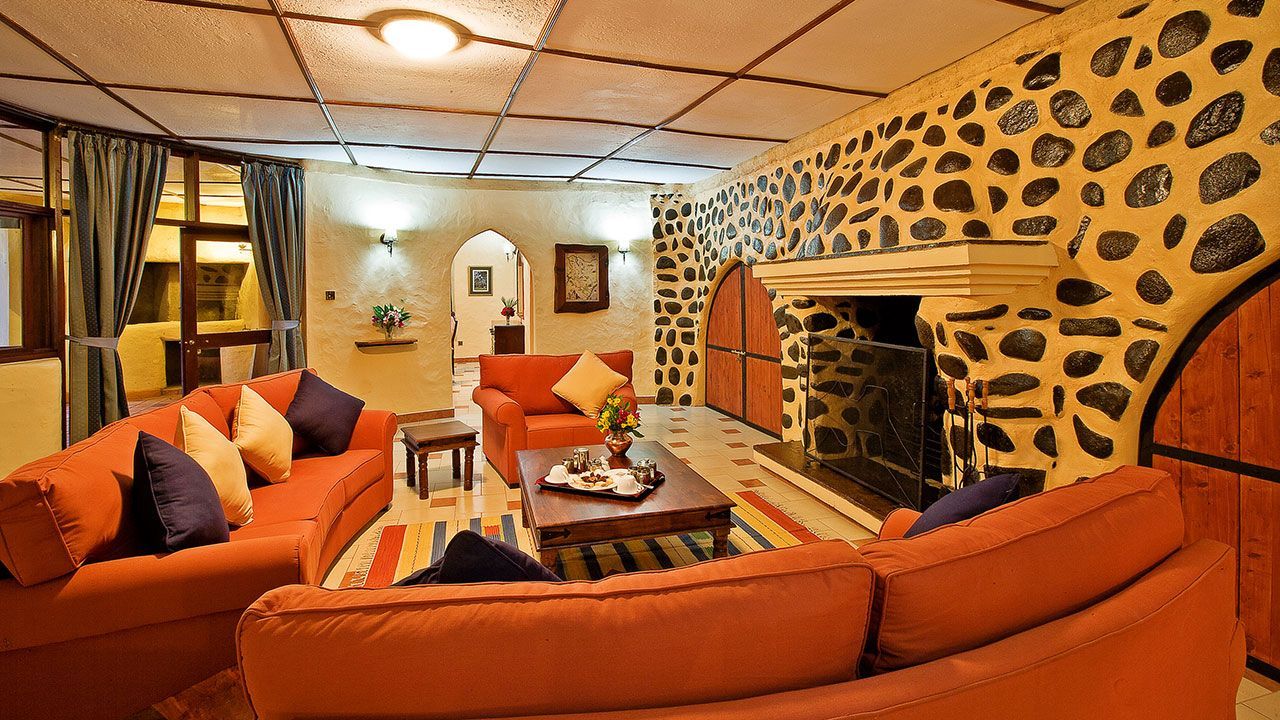
Amboseli Sopa Lodge
Just outside Amboseli National Park
Set in 200 acres of private land, and with a rustic charm all of its own, the Amboseli Sopa Lodge nestles in the foothills of Mount Kilimanjaro
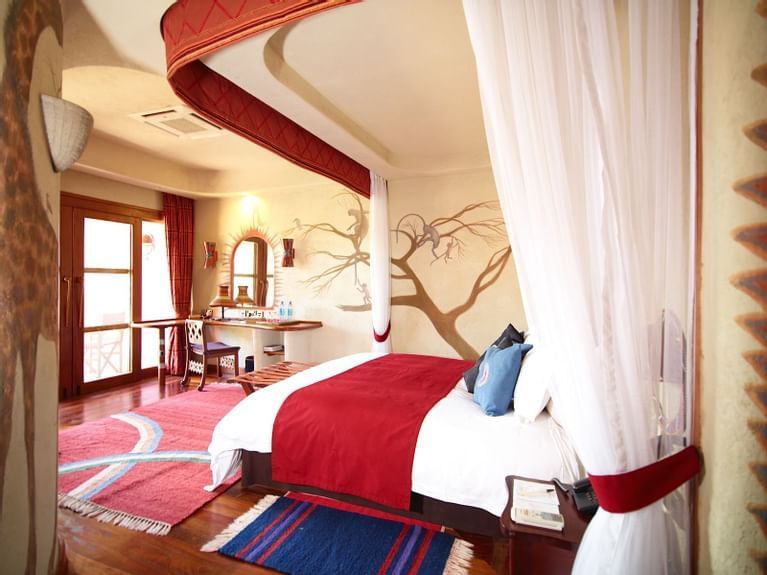
Amboseli Serena Safari Lodge
Amboseli National Park
The Amboseli Serena Safari Lodge is located within the Amboseli National Park and has great views over the plains towards Mount Kilimanjaro.
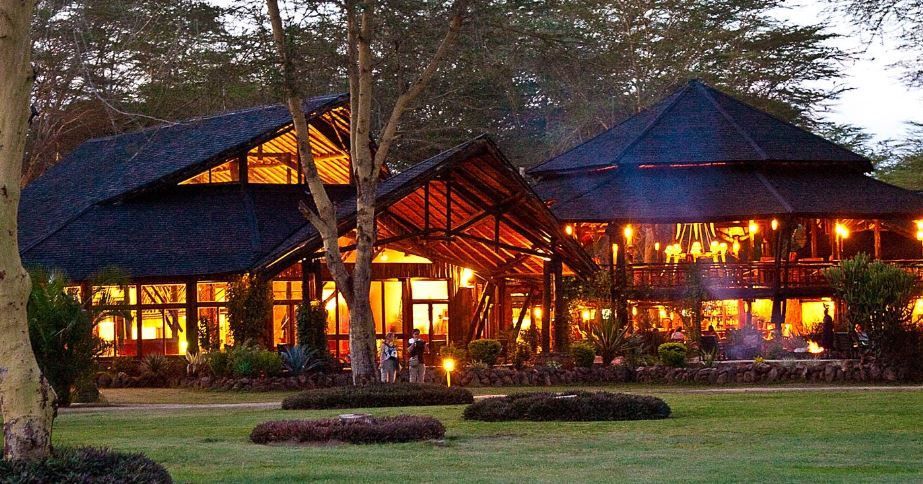
Ol Tukai Lodge
Amboseli National Park
Ol Tukai Lodges features 80 luxury chalet-style twin rooms, all with an uninterrupted view of the wetlands or the magnificent Mt. Kilimanjaro.
We have access to a wide range of handpicked accommodation options — from rustic eco-camps and authentic bush lodges to stylish tented retreats with breathtaking views. If you don’t see the exact lodge or camp you’re looking for, just let us know — we can arrange a variety of stays to suit different tastes, travel styles, and budgets.
Average Weather and Climate in Lake Manyara
Lake Manyara sits on the Rift Valley floor, so its climate is warm without being harsh. The forest keeps mornings fresh and the escarpment funnels breezes across the lake.
- June to October: Dry, clear conditions dominate. Expect 20–25°C by day with cooler mornings and evenings.
- November to December: The short rains bring a flush of green. Birding steps up and skies gain drama.
- January to February: A mild, often dry interlude. Game viewing remains strong and roads are in good shape.
- March to May: Long rains arrive. Landscapes are vivid and visitor numbers dip, ideal for unhurried drives.
Whatever the month, plan early starts and late-afternoon outings for gentle light and active wildlife. The climate shapes the mood of this park, and each season brings its own charm.
Combine with Other Destinations
Lake Manyara pairs naturally with Ngorongoro Crater for dramatic caldera scenery and dense wildlife.
Continue to the Serengeti for vast plains and, season-dependent, the Great Migration. For contrast and elephant herds under sculptural trees, add Tarangire National Park.
The park’s location makes it a flexible opener, a scenic interlude, or a gentle finale.
Talk to us about creating a custom route that links these icons with time to breathe between them.
Travelling from the UK to Lake Manyara
Reaching Lake Manyara National Park from the UK is easier than many travellers expect. Most flights route via Nairobi or Kilimanjaro International Airport, with onward travel by road or short scenic flight. Kilimanjaro Airport is around two hours from Arusha, the main gateway to the northern safari circuit. From there, you can be at Manyara’s gate in another two hours, ready to start exploring.
We handle every step — from international flights and transfers to securing park permits — so you don’t need to juggle logistics. With our ATOL protection, PTS membership, and included Supplier Failure Insurance and Scheduled Airline Failure Insurance, your journey is covered from the moment you book.
Discover the Wild, Your Way: Tailor Your Lake Manyara Safari with Us
Lake Manyara is a masterclass in variety. Forest shade, open light, and a lake that glows at dusk. Tell us what you want to feel, not just what you want to see. We’ll shape game drives, guides, and stays to fit your pace and style.
Talk to us about the experiences you’ve always dreamed of. We’ll match you with handpicked lodges, expert local guides, and authentic adventures that bring Lake Manyara to life.
Speak to one of our safari specialists today — call us or fill out our quick enquiry form, and let’s start planning your tailor-made adventure.
Send an Enquiry
We will get back to you as soon as possible.
Please try again later.
Frequently Asked Questions
When is the best time to visit Lake Manyara National Park?
June to October for game viewing; November to May for birding and lush scenery.
Is Lake Manyara worth visiting if I only have one day?
Yes. Its small size and variety of habitats make it perfect for a short yet rewarding safari.
What wildlife is Lake Manyara known for?
Tree-climbing lions, elephants, hippos, flamingos, and a rich variety of birdlife.
Can I combine Lake Manyara with other parks?
Yes. It’s close to Ngorongoro Crater, Serengeti, Tarangire, and Arusha National Park.
Are there luxury lodges in Lake Manyara?
Yes. &Beyond Lake Manyara Tree Lodge is a standout option for comfort and exclusivity.
Is the park busy during peak season?
It can be, but early starts and guided drives help you enjoy quieter moments.
What activities are available besides game drives?
Birdwatching, photography, cultural visits, and forest walks near the lodge areas.
How far is Lake Manyara from Arusha?
About 125 km, roughly a two-hour drive on good roads.
Is it suitable for families?
Yes. Many lodges offer family-friendly rooms and activities.
What’s the altitude of Lake Manyara?
The park ranges from about 960 m to 1,450 m above sea level.