Mana Pools National Park Safaris
Mighty Zambezi, painted wolves, and golden light on Zimbabwe’s wild floodplains.
Best Time To Go
June to October
(Dry Season - peak wildlife viewing)
High Season
July to September
Size
Approx 2,196 square kilometres
Altitude
350–600 metres
above sea level
Mana Pools National Park Safari Holidays
Where River, Forest, and Wildlife Converge
Mana Pools National Park is one of Africa’s most magical wildernesses, famed for its riverside scenery, walking safaris, and thriving populations of elephants and wild dogs. A UNESCO World Heritage Site, it offers an untamed experience where every day feels like stepping into nature’s grandest theatre.
For those seeking intimacy with the wild, Mana is an essential stop on any Zimbabwe safari.
Why Visit Mana Pools National Park?
Mana Pools lies along the banks of the mighty Zambezi River, on the border with Zambia. The park is celebrated for its floodplains, shimmering pools, and woodlands of towering ana trees that provide shade for both wildlife and safari-goers. Its name — “Mana,” meaning “four” in Shona — refers to the four large, permanent pools that anchor life here during the dry months.
Unlike many safari destinations, Mana Pools is best explored on foot. Walking safaris here are legendary, giving you the rare chance to track elephants, lions, or buffalo under the guidance of expert rangers. This slower, more immersive pace is what sets Mana apart — a safari that is raw, personal, and unforgettable.
The park is also known for its painted wolves (African wild dogs), which thrive in its mosaic of habitats. Together with prolific birdlife, hippos basking in the Zambezi, and crocodiles patrolling its waters, Mana Pools delivers one of Africa’s richest wildlife spectacles.
Culturally, the Zambezi adds an almost spiritual quality to the landscape. Sunsets over the river burn crimson, hippos grunt in chorus, and elephants stand tall to reach the ana tree pods. It is this combination of scenery, species, and silence that makes Mana one of Africa’s true wilderness icons.
Wildlife and Nature
Mana Pools is a living masterpiece, where the drama of the Zambezi floodplain unfolds against a backdrop of forests, river channels, and sweeping savannah. As dawn rises, the mist drifts above the river, the air hums with bird calls, and the earthy scent of wet soil mingles with the sweet fragrance of flowering acacias.
The park is home to an extraordinary range of wildlife. Elephants are ever-present, some famously standing on their hind legs to pluck ana tree pods — a sight unique to Mana. Buffalo herds graze the plains, while prides of lion rest in the shade, waiting for cooler hours to hunt. Painted wolves, one of Africa’s most endangered predators, are a signature highlight; their dynamic pack behaviours, from cooperative hunting to playful pups, are among the most thrilling encounters in the park.
The Zambezi itself teems with life. Pods of hippos bellow from its channels, crocodiles lurk in shallow waters, and fish eagles circle overhead, their haunting calls echoing across the floodplain. With over 450 bird species recorded, Mana is a birder’s paradise: carmine bee-eaters nest in sandy banks, African skimmers skim the river’s surface, and colourful kingfishers dart among the reeds.
Wildlife experiences change with the seasons. In the dry months (June to October), animals gather at shrinking water sources, creating intense concentrations of game along the river. Walking safaris and canoe trips at this time offer unparalleled intimacy with both predators and prey. With the first rains in November, the park transforms into an emerald wonderland, wildlife disperses, and migratory birds arrive in dazzling flocks, turning Mana into a vibrant kaleidoscope of life.
Conservation here is deeply rooted, with organisations like the Painted Dog Conservation Project working tirelessly to protect endangered species. This commitment ensures that visitors are not just spectators, but part of a bigger story — one of safeguarding Africa’s most precious wildernesses for generations to come.
Mana Pools offers something few parks can: the chance to step quietly into the animals’ world, feel their presence all around you, and realise that this wilderness is as much theirs as it is yours to witness.
Best Time to Visit Mana Pools National Park
The best time to visit Mana Pools is the dry season (June to October), when the floodplains become a magnet for wildlife.
With little water inland, animals congregate along the Zambezi, and sightings are both frequent and dramatic.
This is when elephants perform their famous tree-reaching feats, lion hunts are more easily observed, and walking safaris are at their most rewarding.
Temperatures are warm to hot during the day, with cooler mornings and evenings.
In the green season (November to March), the park takes on a very different character. Afternoon rains turn the floodplains into lush, green pastures, and migratory birds arrive in spectacular numbers.
While some camps close due to access challenges, those that remain open offer an intimate and atmospheric experience.
It’s a time of abundance — antelope calve, birdlife flourishes, and photographers are rewarded with dramatic skies and rich colours.
The shoulder months (April to May) provide a balance between comfort and wilderness. The rains recede, the bush begins to thin, and wildlife starts to concentrate once more.
With fewer visitors than peak season, this period is ideal for travellers who prefer exclusivity alongside rewarding sightings.
Photography in Mana is a year-round joy.
The golden glow of late afternoon over the Zambezi, silhouettes of elephants against stormy skies, and intimate close-ups on walking safaris all combine to make it a dream for wildlife and landscape photographers alike.
Whether you want the intensity of dry-season encounters or the verdant beauty of the rains, Mana Pools offers unforgettable experiences every month of the year.
Safari Experiences in Mana Pools National Park
Mana Pools offers an unrivalled range of immersive experiences designed to connect travellers deeply with its landscapes and wildlife. Unlike anywhere else in Africa, its riverside setting and walking traditions make it feel wild, authentic, and profoundly intimate.
- Legendary Walking Safaris: Walk among elephants, follow lion tracks, and hear the soft crack of branches as buffalo move through the bush. Guided by expert rangers, walking safaris here are an exhilarating way to explore the park’s floodplains — a slow, sensory adventure that brings you eye to eye with Africa’s giants.
- Canoeing on the Zambezi: Glide silently past pods of hippos, watch elephants drinking at the water’s edge, and marvel as fish eagles swoop for their catch. Canoe safaris are unique to Mana, offering both serenity and excitement as you drift along one of Africa’s greatest rivers.
- Tracking Painted Wolves: Mana is one of the best places in Africa to see African wild dogs. Watching a pack wake at dawn, pups playing in the sand, before the adults set off to hunt in perfect coordination, is one of safari’s most extraordinary spectacles.
- Close-Up Elephant Encounters
The park’s famous elephants often feed on their hind legs, stretching high into the canopy — a behaviour rarely seen elsewhere. To watch this against a glowing sunset is to witness nature’s ingenuity at its most dramatic. - Cultural Encounters Along the Zambezi: Meet local communities who have lived alongside the river for generations. From traditional fishing practices to stories of living with wildlife, these cultural exchanges provide meaningful context to the wilderness and enrich your safari with human connection.
- Golden Hour Photography: Mana’s light is legendary. Silhouetted acacia trees, mirror-like pools, and wildlife framed against the glowing Zambezi offer some of the most iconic photography in all of Africa. For keen photographers, every outing feels like a masterclass in natural artistry.
Where to Stay in Mana Pools National Park
Mana Pools National Park offers a wide range of accommodation options to suit different preferences and budgets, all set within or just outside the park boundaries. These typically include:
- Eco-Luxury Lodges: Stylish properties with panoramic views over the Zambezi, infinity pools, and starlit dining decks. These lodges combine indulgence with sustainability, offering solar-powered suites and exceptional guiding.
- Tented Camps: Classic canvas camps that place you in the heart of the wild. Expect comfortable beds, ensuite bathrooms, and the soundtrack of hippos and lions at night — a true Mana experience.
- Boutique Bush Retreats: Small, character-filled camps with a focus on authenticity and personal hosting. These retreats often sit in secluded corners of the park, perfect for those seeking tranquillity and charm.
- Mobile Fly-Camps: For the adventurous, mobile fly-camps follow the wildlife, offering lightweight but comfortable tents, bucket showers, and the thrill of sleeping beneath the stars.
At Awake in the Wild, we work only with lodges and camps that meet our ethical and sustainability standards. Whether you’re looking for solar-powered luxury or a simple campfire safari experience, we’ll match you to the perfect base. If you don’t see the exact lodge or camp you’re looking for, just let us know — we’re able to arrange a variety of stays to suit different tastes, travel styles, and budgets.
A Selection of our Mana Pools Safari Accommodation
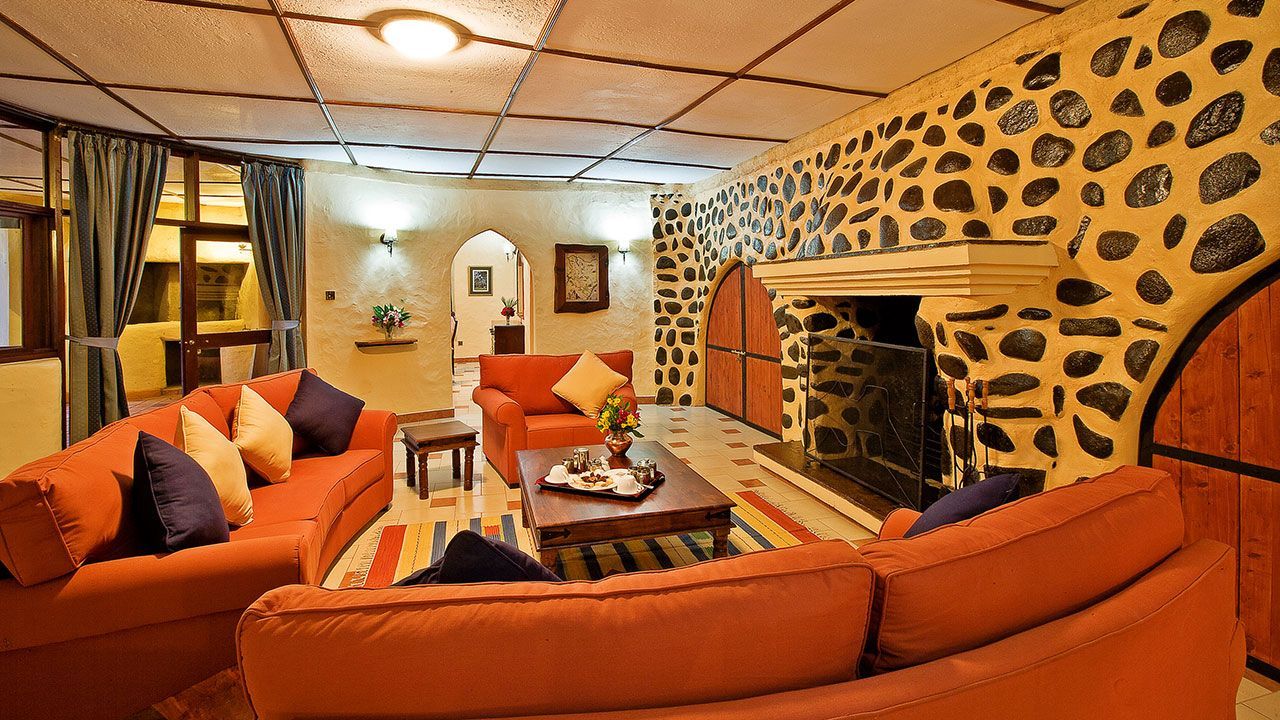
Amboseli Sopa Lodge
Just outside Amboseli National Park
Set in 200 acres of private land, and with a rustic charm all of its own, the Amboseli Sopa Lodge nestles in the foothills of Mount Kilimanjaro
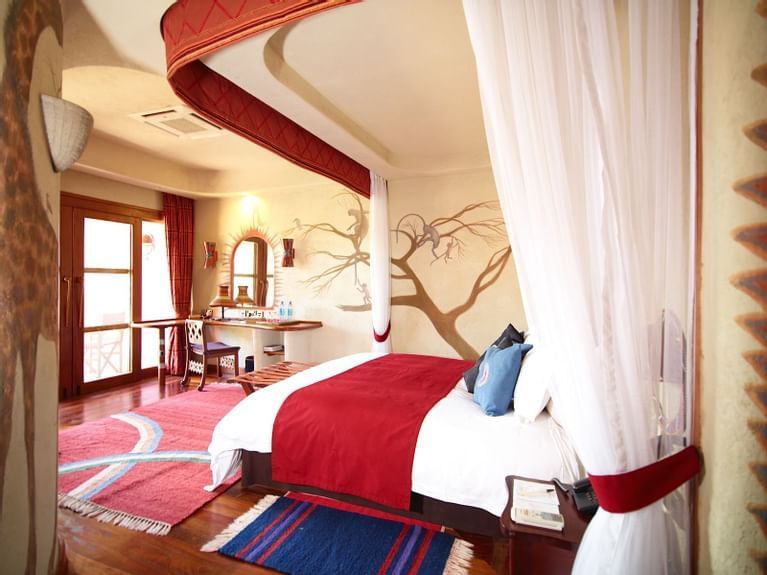
Amboseli Serena Safari Lodge
Amboseli National Park
The Amboseli Serena Safari Lodge is located within the Amboseli National Park and has great views over the plains towards Mount Kilimanjaro.
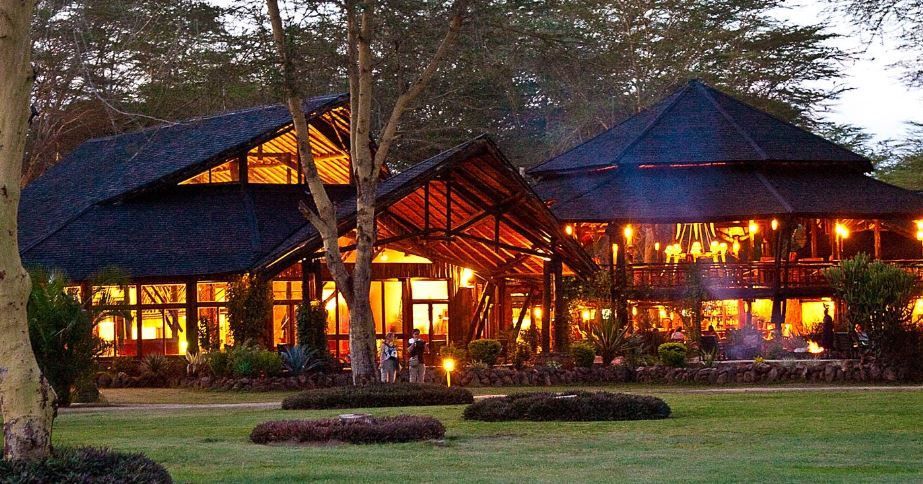
Ol Tukai Lodge
Amboseli National Park
Ol Tukai Lodges features 80 luxury chalet-style twin rooms, all with an uninterrupted view of the wetlands or the magnificent Mt. Kilimanjaro.
We have access to a wide range of handpicked accommodation options — from rustic eco-camps and authentic bush lodges to stylish tented retreats with breathtaking views. If you don’t see the exact lodge or camp you’re looking for, just let us know — we can arrange a variety of stays to suit different tastes, travel styles, and budgets.
Average Weather and Climate in Mana Pools National Park
Mana Pools has a classic tropical climate shaped by the Zambezi River.
The dry season (May to October) brings clear skies and steadily rising temperatures. Days are warm to hot, particularly in September and October, while nights remain pleasantly cool. With water sources dwindling inland, animals concentrate along the floodplains, creating extraordinary sightings. Dust and golden light add to the atmosphere, making this the most popular time for safari-goers.
The wet season (November to April) transforms Mana into a lush paradise. Afternoon storms sweep across the plains, filling pans and reviving vegetation. Wildlife disperses into the interior, but the park teems with birdlife — including migrants like carmine bee-eaters and storks. Temperatures are high, humidity rises, and roads can become muddy, which is why many camps close during this time.
Unique to Mana is the floodplain dynamic, where water levels shape both animal movements and safari activities. Canoeing is most rewarding when water levels are stable, while walking safaris shine in the dry months when visibility is highest.
Each season paints Mana with a different palette: gold and dust in August, emerald green in December, and crisp skies in June.
Whatever time you visit, the park offers an immersive experience that feels as wild as Africa gets.
Combine with Other Destinations
Mana Pools combines seamlessly with other safari icons. Pair it with Hwange National Park for big-game drama, or with Victoria Falls for the spectacle of one of the world’s natural wonders.
Within Zimbabwe, it also links beautifully with Lake Kariba, where houseboat safaris provide a tranquil counterpoint to Mana’s wilderness.
For regional explorers, Mana is easily combined with Zambia’s Lower Zambezi National Park, just across the river. Together, they offer one of Africa’s most rewarding twin-park experiences, with mirrored landscapes and diverse wildlife encounters.
Accessible by road or charter flights from Harare and Victoria Falls, Mana is a natural inclusion in both short safaris and extended Southern Africa circuits.
Talk to us about creating a custom itinerary that matches your dreams.
Travelling from the UK to Mana Pools
Flights from London to Harare or Victoria Falls typically connect via Johannesburg, Addis Ababa, or Dubai, with total travel times of 13–16 hours including layovers. From Harare, charter flights or road transfers can take you directly to Mana Pools, while from Victoria Falls, light aircraft flights offer scenic connections over Zimbabwe’s landscapes.
UK passport holders require a visa for Zimbabwe, usually obtainable on arrival at Harare or Victoria Falls airports. Passports must be valid for at least six months.
Malaria precautions and standard vaccinations are recommended, and Awake in the Wild provides the latest health guidance during your trip planning.
Whether you fly, drive, or combine both, the journey to Mana is part of the adventure. From the moment you arrive, Awake in the Wild ensures every detail — flights, transfers, and lodge arrangements — is seamlessly managed.
Discover the Wild, Your Way: Tailor Your Mana Pools National Park Safari with Us
Mana Pools is safari at its purest — a place where elephants stand tall against the sky, painted wolves hunt in silent coordination, and the Zambezi flows endlessly, carving life into the floodplain. It’s a park of intimacy and scale, of silence and drama, and of wildlife encounters that will stay with you forever.
Talk to us about the experiences you’ve always dreamed of. We’ll match you with handpicked lodges, expert local guides, and authentic adventures that bring Mana Pools National Park to life.
Speak to one of our safari specialists today — call us or fill out our quick enquiry form, and let’s start planning your tailor-made adventure.
Send an Enquiry
We will get back to you as soon as possible.
Please try again later.
Frequently Asked Questions
What makes Mana Pools National Park unique?
Mana Pools is renowned for its walking and canoeing safaris, set against the mighty Zambezi River. It’s also one of the best places in Africa to see endangered painted wolves (wild dogs), making it both thrilling and unique.
What is the best time to visit Mana Pools?
The best time is during the dry season from June to October. Wildlife concentrates along the Zambezi, and walking safaris are at their most rewarding. The wet season (November to March) brings lush scenery and exceptional birdwatching, though some camps close due to access challenges.
Can I do walking safaris in Mana Pools?
Yes, Mana Pools is one of the few national parks in Africa where walking safaris are a signature activity. Guided by professional rangers, you can safely explore the floodplains on foot, offering intimate encounters with elephants, lions, and more.
Are canoe safaris safe in Mana Pools?
Yes. Canoe safaris on the Zambezi are led by expert guides who know the river intimately. While you may encounter hippos and crocodiles, safety is prioritised, making it an exhilarating yet secure way to experience the park.
What wildlife can I expect to see?
Mana Pools is home to elephants, lions, leopards, buffalo, and prolific hippos and crocodiles in the Zambezi. It is especially famous for painted wolves, one of Africa’s rarest predators, and for over 450 species of birds.
How do I get to Mana Pools from the UK?
Flights from London typically route via Johannesburg, Addis Ababa, or Dubai to Harare or Victoria Falls. From there, travellers connect by charter flight or road transfer to Mana Pools, often as part of a wider Zimbabwe safari itinerary.
Is Mana Pools suitable for families?
Yes, but with some considerations. Certain lodges welcome families and offer child-friendly activities, but due to the adventurous nature of walking and canoe safaris, age restrictions may apply. Private guided safaris can be arranged for family groups.
Where can I stay in Mana Pools?
Accommodation ranges from luxury eco-lodges overlooking the Zambezi to classic tented camps, boutique bush retreats, and adventurous mobile fly-camps. Each style offers a different way to experience the wilderness.
What is the climate like in Mana Pools?
Mana Pools has a hot, dry season (May–October) and a wet, green season (November–April). The dry season is best for concentrated game viewing, while the wet season is lush, colourful, and rich in birdlife.
Do UK travellers need a visa for Zimbabwe?
Yes. UK passport holders require a visa for Zimbabwe, usually obtainable on arrival at Harare or Victoria Falls airports. Passports must be valid for at least six months. Awake in the Wild provides full guidance before travel.