Birdwatching in Serengeti National Park: Key Species to Spot
Birdwatching in Serengeti National Park: Key Species to Spot on Safari

Birdwatching in Serengeti National Park key species to spot is one of the most rewarding experiences for wildlife enthusiasts visiting East Africa. While most people think first of lions, elephants, and wildebeest, the Serengeti is also home to over 500 species of birds.
These range from tiny, jewel-coloured sunbirds to powerful eagles soaring over the plains. Whether you are an avid birder with a life list or simply enjoy the thrill of spotting something new, the Serengeti provides endless opportunities to be amazed.
Why Serengeti is a Birdwatcher’s Paradise
The Serengeti is more than sweeping grasslands dotted with wildebeest and acacia trees. Its varied ecosystems — rivers, swamps, rocky outcrops, woodlands, and open plains — create habitats for a stunning diversity of birdlife. This mix makes the park one of Africa’s premier birdwatching destinations.
Seasonal changes add to the variety. During the wet season, migrants arrive in huge numbers, boosting the species count dramatically. In contrast, the dry season makes waterholes prime viewing spots for both animals and birds. Every time of year brings something special.
For travellers who appreciate the natural symphony of birdsong alongside the dramatic wildlife encounters, Serengeti safaris deliver a unique combination. You might hear the haunting call of a fish eagle while watching hippos, or see a flash of crimson from a bee-eater as lions rest nearby.
The Serengeti truly blends classic safari drama with exceptional birdwatching, making it ideal for travellers who want more than just the Big Five.
Birdwatching in Serengeti National Park Key Species to Spot
The sheer range of species means there is always something new to discover. Some birds are strikingly colourful, others are known for their calls, while raptors bring a sense of drama as they circle the skies. Here are the key categories and species you’ll want to look out for during your Serengeti birdwatching safari.
Raptors and Birds of Prey
Few sights are as powerful as a martial eagle perched on a tree scanning the plains. The Serengeti hosts more than 30 species of raptors, making it one of the best places in Africa for spotting birds of prey.
- Martial Eagle: A massive eagle capable of hunting small antelope. Its sheer size impresses even seasoned safari-goers.
- Bateleur Eagle: Instantly recognisable with its short tail and rocking flight pattern. Its bright red face and legs add drama to the sky.
- Secretary Bird: A ground-dwelling bird of prey, famous for stalking through grasslands hunting snakes. Its long legs and crest feathers make it unforgettable.
These birds add a sense of grandeur to the Serengeti skies and are often highlights for photographers.
Colourful Species
The Serengeti is not only about large, dramatic birds. Many visitors fall in love with the vibrant smaller species that flit between trees and shrubs.
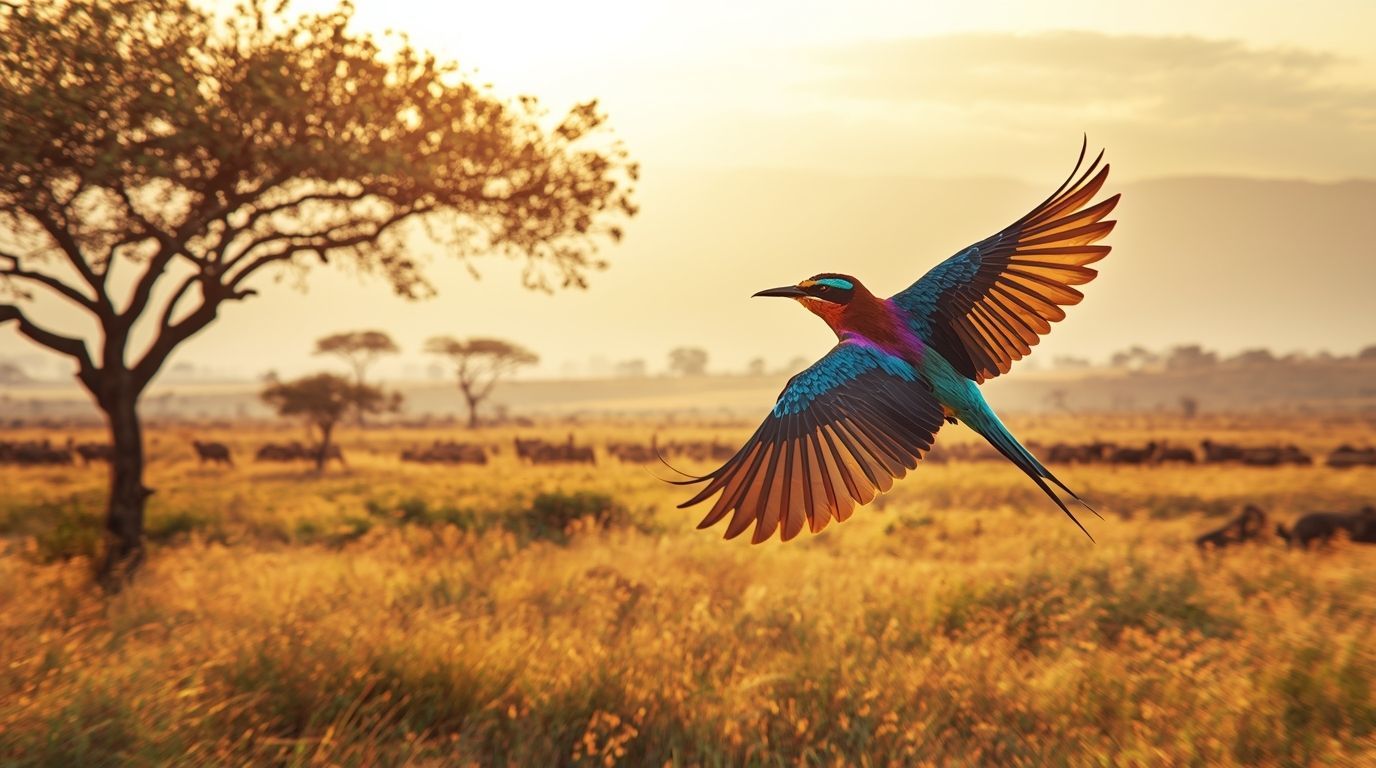
- Lilac-Breasted Roller: Perhaps Africa’s most photographed bird, with its dazzling mix of blues, greens, and purples.
- Superb Starling: A bird that lives up to its name, shimmering with iridescent colours that shine in the sun.
- Fischer’s Lovebird: A small parrot native to the region, seen in flocks bringing splashes of colour to the savannah.
These species show why birdwatching in Serengeti National Park key species to spot appeals to both serious birders and casual wildlife lovers alike.
Water and Wetland Birds
Rivers and seasonal swamps attract an entirely different set of species. These wetlands are havens for both resident and migratory birds.
- Grey Crowned Crane: The national bird of Uganda, but found here in pairs or small groups, dancing elegantly in the grass.
- African Spoonbill: Recognisable for its long, spoon-shaped bill used to sift through shallow waters.
- Saddle-billed Stork: One of Africa’s tallest storks, with a striking red and black bill tipped with yellow.
Visiting the Serengeti’s wetland areas ensures a different side to the birding experience, balancing the plains species with water-loving birds.
Migratory Visitors
The Serengeti is also a key stopover for migratory species, especially during the European winter months. This makes it an exciting time for birders, as species rarely seen elsewhere in Africa arrive in the park.
- White Stork: Often associated with Europe, these birds migrate thousands of miles to East Africa.
- Steppe Eagle: A visitor from Central Asia, adding to the park’s list of raptors.
- Barn Swallow: Familiar to many from European summers, here they swoop low over the plains in great numbers.
The mix of resident and migratory species means the Serengeti is dynamic and ever-changing for birdwatchers.
When and Where to Go for the Best Birdwatching
The Serengeti offers birdwatching year-round, but timing your visit can enhance your experience.
- Wet Season (November to April): This is when migratory birds arrive. Species counts are highest, and many birds display breeding plumage, making them even more colourful.
- Dry Season (June to October): Birds concentrate around rivers and waterholes. Raptors are more visible as they hunt in open landscapes.
Different areas of the Serengeti also offer different opportunities:
- Seronera Valley: Known for both raptors and colourful species.
- Western Corridor: Excellent for waterbirds along the Grumeti River.
- Northern Serengeti: Good for less-disturbed birding, away from the migration crowds.
No matter when or where you go, the Serengeti guarantees an incredible variety of birds.
Photography Tips for Birdwatchers
Birdwatching in Serengeti National Park key species to spot isn’t only about identifying birds; capturing them on camera can be equally rewarding. The Serengeti’s light, wide-open spaces, and colourful birdlife make it one of the most photogenic safari destinations in Africa.
Early mornings and late afternoons are best for photography. The light is soft, golden, and flattering, reducing harsh shadows. Many birds are also more active during these times, giving you more chances to catch natural behaviours.
A good zoom lens is essential. Many species perch high in trees or fly overhead, so having the ability to zoom in without disturbing them is key. If you’re using a smartphone, lightweight binoculars combined with phone adaptors can help create surprisingly clear shots.
Patience is your best tool. Spend time at waterholes or near fruiting trees and let the birds come to you. This allows you to capture natural moments — a roller tossing an insect in the air or a starling flashing its iridescent plumage.
Your guide can also position the vehicle carefully to give you the best angles without stressing the birds. This teamwork makes photography more enjoyable and successful.

Suggested Lodges for Birdwatching Safaris
Pairing your safari with the right lodge enhances your experience. Here are three options that combine excellent locations with comfort and style.
Sayari Camp

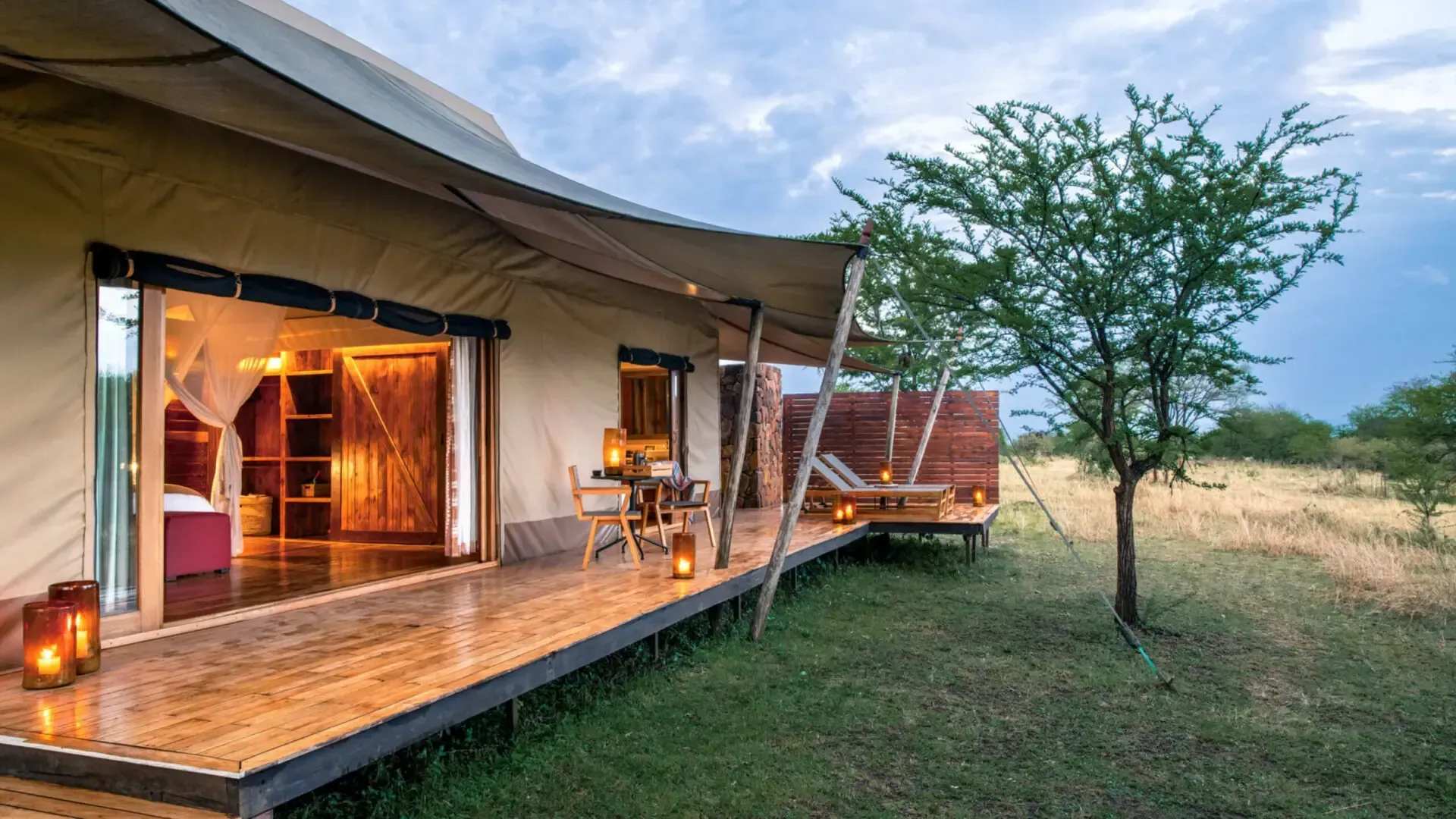
Located in the northern Serengeti, Sayari Camp overlooks rolling hills and the Mara River. Its luxury tents offer privacy, while guides here are known for their birding knowledge. Imagine waking up to the sound of starlings and ending the day watching crowned cranes against a sunset backdrop.
We have a range of offers for Sayari Camp and other Serengeti lodges. Ask us about the latest deals when planning your tailor-made safari.
Kubu Kubu Tented Lodge

Situated in central Serengeti, Kubu Kubu provides access to bird-rich areas like Seronera Valley. Its stylish design blends modern comfort with safari tradition. The lodge’s elevated position gives sweeping views, perfect for spotting raptors in flight.
Awake in the Wild offers a variety of packages for Kubu Kubu and similar lodges. Let us share the options that best fit your travel style.
Lake Masek Tented Camp

Set near the Ndutu area, Lake Masek Tented Camp is ideal during the wet season when migratory birds flock to the region. Its eco-friendly design complements its setting, and birdwatchers love the diversity right around the camp.
Talk to us about the latest offers for Lake Masek and other camps — we have access to special rates you won’t always find online.
Combining Birdwatching with Other Serengeti Experiences
While birdwatching in Serengeti National Park key species to spot is reason enough to visit, you don’t have to limit your trip to just birds. The Serengeti allows you to combine birding with other classic safari highlights.
The Great Migration is one of the natural world’s greatest spectacles. Watching thousands of wildebeest and zebras move across the plains while eagles soar above them is a once-in-a-lifetime sight. Even if your focus is birds, it’s hard not to be captivated by this phenomenon.
Predator sightings often overlap with birdwatching moments. Lions lounging under a tree might share space with colourful rollers, while leopards resting on kopjes are often accompanied by curious starlings. The Serengeti’s ecosystem thrives on these interactions, giving you layered experiences.
Cultural visits can also enrich your journey. Meeting local communities, such as the Maasai, provides insight into traditional knowledge about birds and wildlife. These experiences deepen your appreciation of the Serengeti as more than just a wildlife park.
Tailoring your trip with Awake in the Wild means you don’t have to choose between birds, big game, or cultural encounters. We’ll design an itinerary that balances it all, ensuring your safari is as rich and rewarding as possible.
Booking Protections with Awake in the Wild
When you book your Serengeti safari through us, your holiday is fully protected. We are proud members of Protected Trust Services (PTS) and hold an ATOL license, ensuring your money is safe. Every tailor-made holiday also includes Supplier Failure Insurance and Scheduled Airline Failure Insurance as standard.
These protections mean you can plan with complete peace of mind. From flights to lodges, every element of your holiday is covered. We handle the details so you can focus on the thrill of the safari.
Conservation and Birdlife Protection in the Serengeti
The Serengeti is not just a stage for the Great Migration; it is also a globally important bird area recognised for its biodiversity. Protecting birdlife is part of broader conservation efforts that ensure the park remains a thriving ecosystem.
Many species you’ll encounter — from vultures to cranes — face threats elsewhere. In the Serengeti, anti-poaching patrols, habitat protection, and community projects help maintain healthy populations. Vultures, for example, are critical to the ecosystem as nature’s clean-up crew, yet they are declining across Africa. Spotting them here contributes to raising awareness of their importance.
Tourism plays a role too. By visiting and valuing birdlife as part of your safari, you support the funding of conservation initiatives. Entry fees, lodge partnerships, and responsible guiding all help ensure the Serengeti remains a safe haven for both resident and migratory birds.
When you travel with Awake in the Wild, your safari also contributes directly to these efforts. We work with trusted partners who prioritise sustainability and ethical tourism, meaning your Serengeti adventure has a positive impact.
Our View:
“Birdwatching in Serengeti National Park is not just about ticking species off a list. It’s about slowing down, listening, and appreciating the smaller details of the wild. We love creating tailor-made safaris that give travellers time to enjoy both the birds and the big game.”
Tailor Your Serengeti Birdwatching Adventure
Birdwatching in Serengeti National Park key species to spot offers one of the most rewarding safari experiences. With Awake in the Wild, you don’t have to choose between big game and birdlife — we create tailor-made journeys that let you enjoy both. Our tagline says it best: safari experiences for every traveller.
If you’re ready to start planning, we’re only a call or message away. Speak to our team today on 01495 400545 or use our holiday enquiry form on our website. We’ll design a Serengeti safari that matches your pace, your interests, and your dreams.
Send an Enquiry
We will get back to you as soon as possible.
Please try again later.
Frequently Asked Questions
What makes birdwatching in Serengeti National Park key species to spot so special?
The Serengeti combines diverse habitats with over 500 bird species, making it one of Africa’s best safari destinations for birdwatchers.
When is the best time to go birdwatching in the Serengeti?
November to April is ideal for migrants and breeding plumage, while June to October offers easier sightings around waterholes.
Which colourful birds can I expect to see in the Serengeti?
Look out for lilac-breasted rollers, superb starlings, Fischer’s lovebirds, and many bee-eater species.
Are there birds of prey to spot during a Serengeti safari?
Yes, species like martial eagles, bateleurs, and secretary birds are common highlights for birdwatchers.
Can I combine birdwatching in Serengeti National Park key species to spot with seeing the Big Five?
Absolutely. Many birding areas overlap with prime wildlife zones, so you can enjoy both during the same trip.
Do I need special equipment for birdwatching in the Serengeti?
Binoculars and a camera with a zoom lens help, but guides are skilled at spotting birds even without equipment.
Are migratory birds common in the Serengeti?
Yes, species such as white storks, steppe eagles, and barn swallows arrive in large numbers during the wet season.
Which lodges are best for birdwatchers in the Serengeti?
Sayari Camp, Kubu Kubu Tented Lodge, and Lake Masek Tented Camp all offer excellent birdwatching opportunities.
Is birdwatching suitable for families travelling to the Serengeti?
Yes, many families enjoy birdwatching as part of their safari, and children often love spotting colourful or unusual species.
How can I book a Serengeti birdwatching safari with protections included?
By booking through Awake in the Wild, your holiday is ATOL protected and includes Supplier Failure Insurance and Scheduled Airline Failure Insurance.