History and Conservation of Etosha National Park
Etosha National Park Safaris: History, Wildlife and Conservation Legacy

Few safari destinations carry the same sense of history and conservation significance as Etosha National Park. For travellers seeking unforgettable adventures, Etosha National Park safaris offer a chance to step into one of Africa’s most remarkable landscapes. This vast reserve in northern Namibia blends rich cultural heritage with pioneering wildlife protection, making it a must-see for those who want more than just a game drive.
The Origins of Etosha National Park
The story of Etosha begins in 1907 when the German colonial administration declared the area a game reserve. At that time, it stretched over 100,000 square kilometres, making it one of the largest protected areas in the world. The name “Etosha” comes from an Oshindonga word meaning “Great White Place,” a nod to the vast salt pan that dominates the heart of the park.
Early protection measures were less about conservation in the modern sense and more about regulating hunting. Yet these steps laid the foundation for what would become one of Africa’s flagship national parks. Over time, boundaries were redrawn, and the reserve was reduced to just over 22,000 square kilometres. Despite its smaller size, Etosha still ranks among the largest national parks in Africa.
When you visit today, you’re walking into more than a century of conservation history. The park’s evolution reflects broader shifts in how humans relate to wildlife, from resource use to sustainable protection.
The Etosha Pan: A Natural Wonder
At the centre of the park lies the Etosha Pan, a dry lakebed covering around 4,800 square kilometres. For most of the year, its chalky surface gleams under the Namibian sun. During heavy rains, water collects and transforms the pan into a shallow lagoon, drawing thousands of flamingos and other migratory birds.
This striking feature is visible from space and defines the park’s ecology. Wildlife clusters around its margins where grasslands and mopane woodlands provide shelter and grazing. For travellers, the shimmering horizon offers an almost otherworldly setting for wildlife encounters.
Standing on the edge of the pan, you grasp why Etosha has long inspired explorers, photographers, and conservationists alike. It is both stark and full of life, a paradox that makes safaris here unforgettable.
Wildlife and Safari Experiences
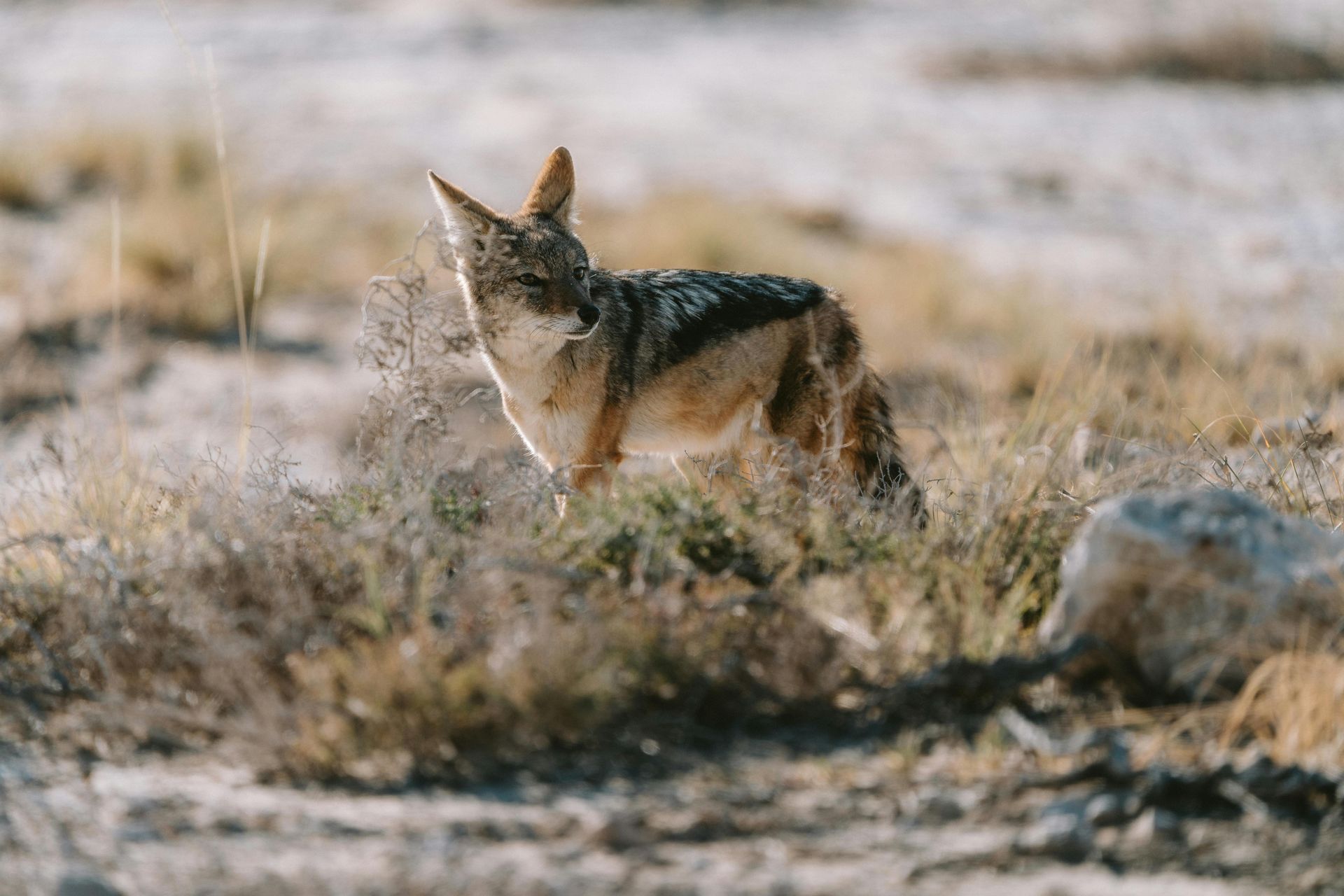
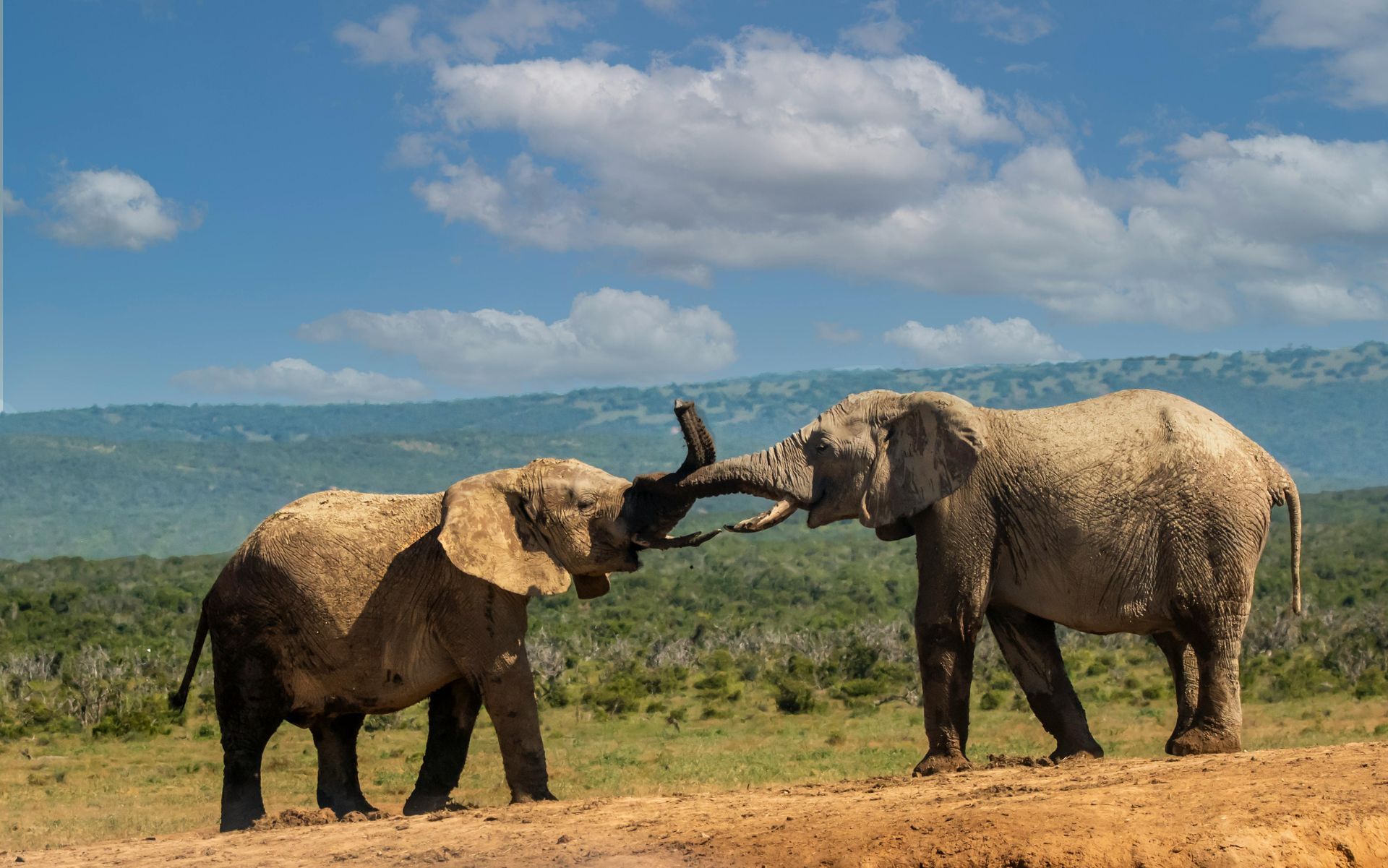
Etosha is famous for its thriving wildlife populations. More than 100 mammal species call the park home, including elephants, lions, leopards, cheetahs, and black rhinos. The park is particularly renowned for its waterholes, which serve as natural gathering points. Rather than chasing game across endless plains, you can wait at a waterhole and watch a procession of animals arrive — sometimes all at once.
Night-time floodlit waterholes at lodges such as Okaukuejo offer rare opportunities to see rhinos and elephants under the stars. This kind of access is part of what makes etosha national park safaris so distinctive compared to other African destinations.
Another highlight is birdwatching. With over 340 recorded species, including flamingos, eagles, and the endemic Namibian red-necked falcon, the park caters to more than just big game enthusiasts.
For those new to safaris, Etosha strikes the right balance between accessibility and authentic wilderness. Roads are well-maintained, and game viewing is possible year-round.
A History of Conservation Challenges
While Etosha is celebrated today, its past includes challenges. In the mid-20th century, hunting pressures, poaching, and political conflict strained the park’s ecosystems. Rhino numbers dropped drastically, and lions were once over-hunted.
Conservationists responded with bold strategies. Breeding programmes, anti-poaching patrols, and wildlife translocations helped restore balance. Today, Etosha is considered one of Namibia’s great conservation success stories. Black rhino populations are stabilised, and elephants roam freely across the park’s boundaries into community conservancies.
These achievements underline the importance of local involvement. Communities surrounding the park play an active role in safeguarding wildlife, showing how conservation success is linked to human partnerships.
Staying in Etosha: Top Safari Lodges
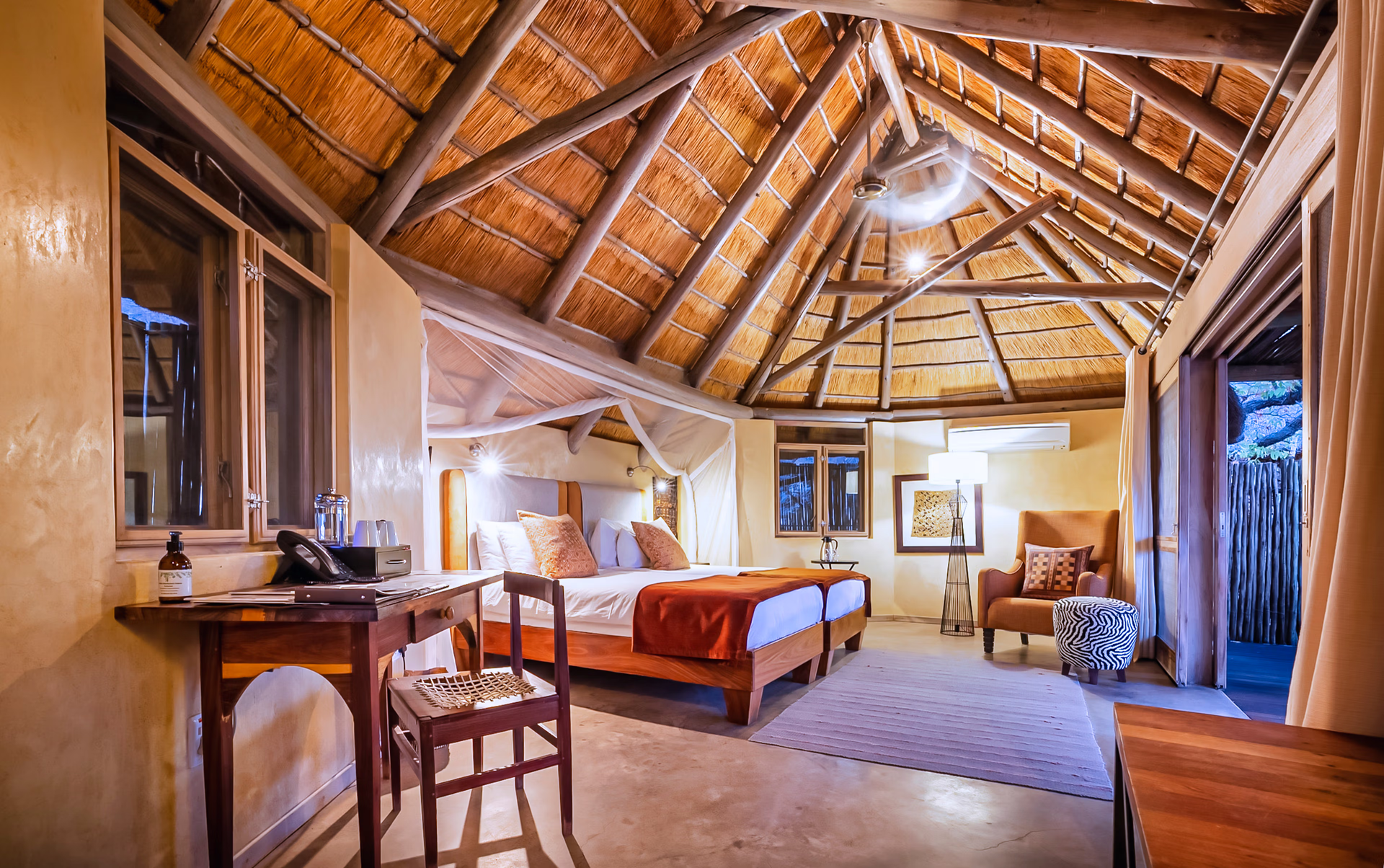
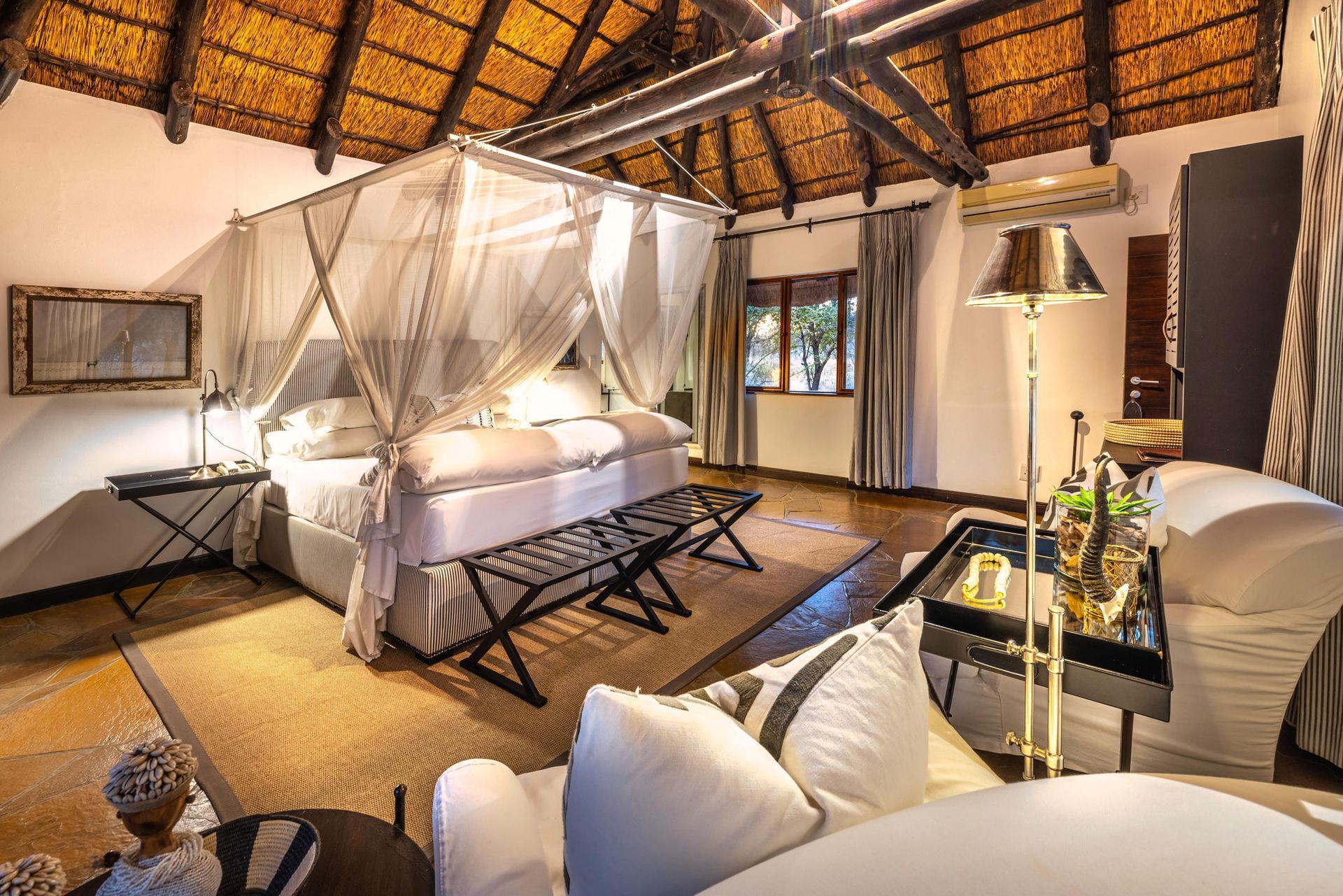
Your safari experience depends greatly on where you stay. Etosha offers a wide range of accommodation, from government rest camps to luxurious private lodges. Here are three standout options:
Ongava Lodge

Situated on a private reserve bordering the park, Ongava Lodge combines comfort with conservation. Guests enjoy spacious chalets overlooking a busy waterhole, often visited by rhinos. The lodge is known for excellent guiding and offers night drives outside the park, adding variety to your safari.
We have access to a range of offers at Ongava Lodge. Ask us about the latest packages tailored to your travel dates.
Mushara Lodge

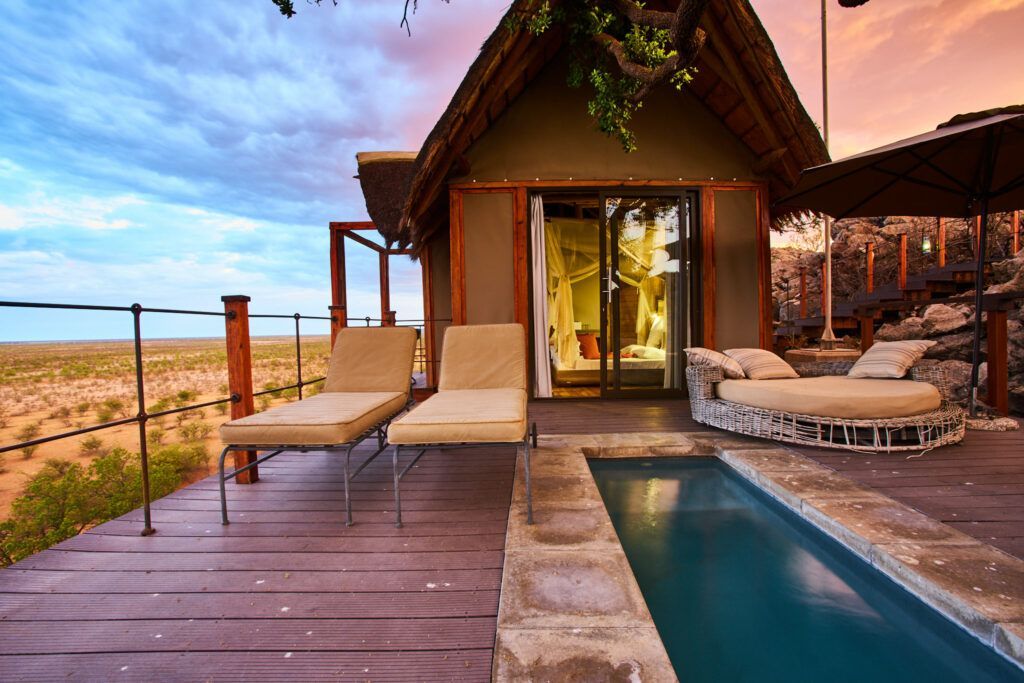
Located just outside the Von Lindequist Gate, Mushara Lodge offers elegance and tranquillity. Its thatched chalets and serene pool provide a restful escape after a day of game viewing. Known for personal service, it’s a great choice for couples or small groups.
We can share exclusive offers for Mushara Lodge when you enquire. Each deal is designed to add value while keeping your safari seamless.
Dolomite Camp

Inside the park, Dolomite Camp is perched on a ridge with sweeping views. Its location in the previously restricted western sector offers a quieter safari, with fewer visitors and abundant wildlife. Staying here feels like discovering a hidden side of Etosha.
We often have seasonal offers for Dolomite Camp. Speak to us about what’s available when planning your holiday.
Our View:
"Etosha’s story shows how history and conservation shape modern safaris. To stand at its waterholes is to witness both resilience and renewal — a reminder that wildlife thrives when people choose to protect it."
Protections When Booking with Awake in the Wild
When planning a safari, peace of mind matters as much as adventure. Every holiday booked with Awake in the Wild includes Supplier Failure Insurance and Scheduled Airline Failure Insurance. This ensures your investment is protected if an airline or supplier faces unexpected issues.
As part of the Jamie Wake Travel family, we’re members of Protected Trust Services and hold an ATOL Licence. This means your money is financially safeguarded, and you can book with full confidence.
We also take pride in our tagline: “safari experiences for every traveller.” That’s not just a phrase — it reflects our belief that everyone deserves a safari holiday tailored to their needs. Whether you’re seeking luxury, adventure, or family-friendly travel, we create itineraries that fit.
Conservation Today and Tomorrow
Etosha remains a beacon of conservation, but challenges continue. Climate change threatens rainfall patterns, impacting the fragile pan ecosystem. Human-wildlife conflict on park borders requires ongoing community engagement.
Namibia has become a leader in community-based conservation, linking tourism revenue with local livelihoods. By visiting Etosha, you directly support these initiatives. Each safari helps fund anti-poaching patrols and habitat protection.
For travellers, that makes your journey more than just a holiday. It becomes part of a global story of protecting wildlife for generations to come.
Cultural Heritage and Human History
Etosha’s history is not only about wildlife. People have lived around the pan for thousands of years. Archaeological sites show evidence of San hunter-gatherers, who relied on the seasonal abundance of game and plants. Rock art in nearby areas reveals stories of survival, spirituality, and connection to the land.
In more recent centuries, the Ovambo and Herero communities settled near the park’s borders. These groups continue to influence the region, with traditions still visible in villages today. The cultural backdrop adds depth to etosha national park safaris because travellers aren’t just seeing animals — they’re stepping into landscapes shaped by human history.
For those interested, local guides can share insights into traditional practices, from medicinal plant use to folklore about the pan. These stories help you see the park not just as wilderness, but as a place where people and wildlife have always been intertwined.
Best Time to Visit for Safaris
Etosha is a year-round destination, but each season brings a different feel.
- Dry Season (May to October): Wildlife viewing is at its best. Animals congregate at waterholes, making sightings easy. Skies are clear, and temperatures are pleasant during the day but cooler at night.
- Wet Season (November to April): The landscape turns green, and migratory birds arrive. Flamingos flock to the pan when rainfall is heavy. While animals spread out more, the lush scenery makes this season beautiful in a different way.
Many travellers choose the dry season for guaranteed wildlife density. Yet visiting in the wet months offers a quieter safari, with fewer tourists and dramatic photographic opportunities. The choice comes down to your priorities — high drama around waterholes or the serenity of green landscapes.
Comparing Etosha with Other Safari Destinations
Travellers often ask how Etosha compares with other famous safari parks in Africa. The answer depends on what you value most.
- Masai Mara or Serengeti: These parks are famous for the Great Migration. Etosha doesn’t have this spectacle, but its waterholes create equally compelling drama in concentrated spaces.
- Kruger National Park: Kruger offers dense wildlife populations and varied ecosystems. Etosha feels more open, with the vast salt pan giving it a unique sense of space.
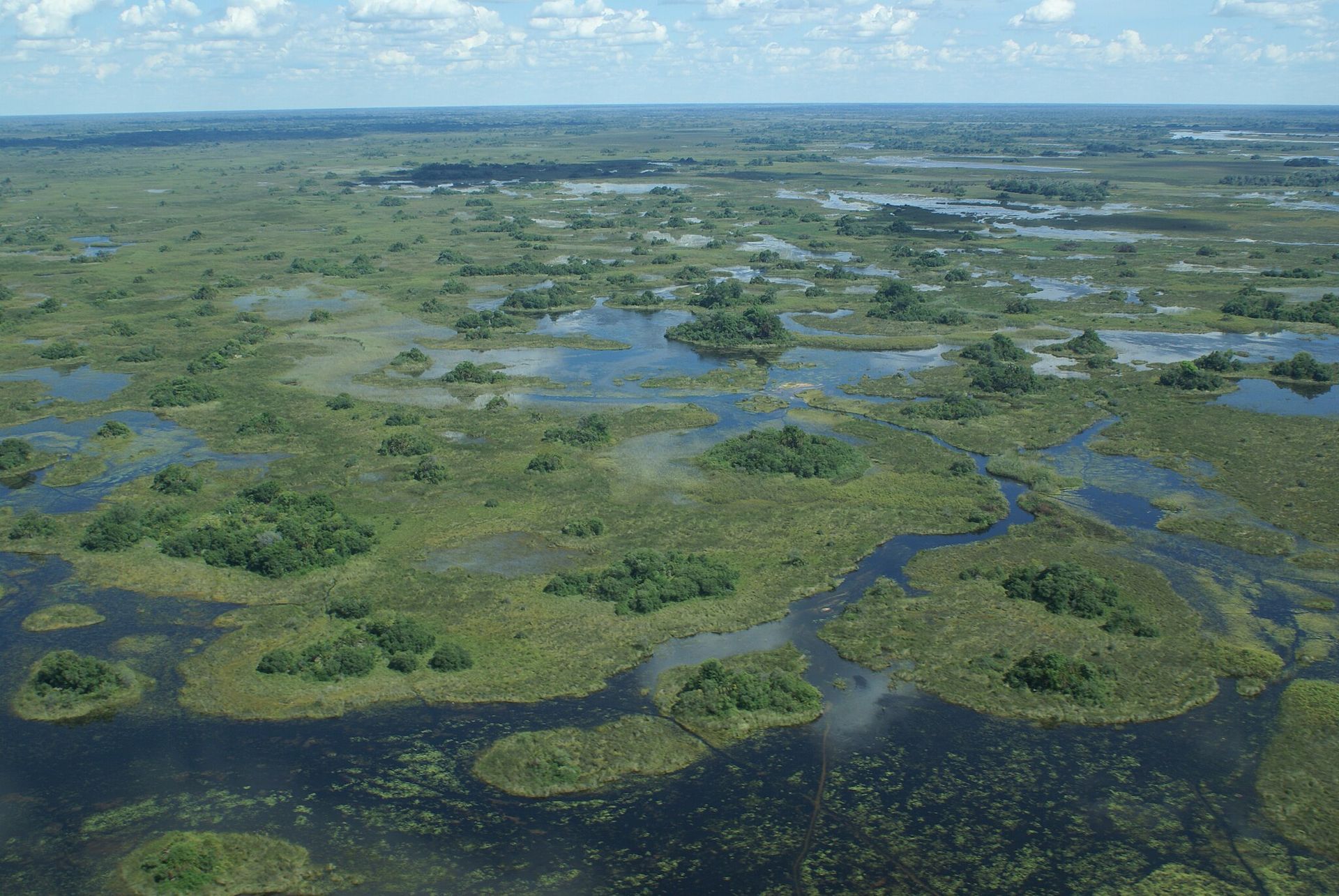
- Okavango Delta: The Delta is lush and water-based, while Etosha is dry and stark. Many travellers combine the two for contrast — wetlands and drylands in one holiday.
In short, Etosha is distinct. Its salt pan, floodlit waterholes, and easy self-drive access set it apart. Including it in your itinerary ensures you experience a safari like no other.
Travel Logistics and Planning Tips
Reaching Etosha is straightforward. Most travellers arrive in Namibia via Windhoek, the capital. From there, it’s about a five-hour drive to the park’s Anderson Gate. Roads are in good condition, and car hire is popular for those who want the freedom of self-drive safaris.
Inside the park, roads are gravel but well maintained. Distances can be deceiving, so plan realistic routes each day. For a more relaxed approach, guided tours take the stress out of navigating and ensure expert insight along the way.
Here are some tips to help your safari run smoothly:
- Stay multiple nights. At least three nights gives you time to explore different areas of the park.
- Pack layers. Temperatures shift from hot days to chilly nights.
- Bring binoculars. Waterholes are often viewed from a distance.
- Book early. Popular camps like Okaukuejo fill up quickly, especially in peak season.
These small steps ensure your focus remains on the wildlife and the joy of the journey.
Why Etosha Still Matters
Etosha’s mix of history, conservation, and accessibility makes it one of Africa’s most rewarding safari destinations. Its story is one of resilience — from early colonial reserves to modern conservation success. Travellers who visit don’t just enjoy the wildlife; they contribute to a living legacy that benefits future generations.
Whether you’re captivated by the flamingos on the pan, lions at a waterhole, or rhinos under the stars, Etosha delivers encounters that stay with you for life. And when booked through Awake in the Wild, your holiday is backed by financial protections, expert guidance, and tailor-made experiences that honour our promise of “safari experiences for every traveller.”
Plan Your Etosha Adventure with Us
A journey to Etosha is more than a holiday. It’s a chance to connect with nature, support conservation, and enjoy the comfort of knowing every detail is arranged for you. At Awake in the Wild, we combine personal service with trusted protection, so your only task is to enjoy the experience.
Whether you dream of watching rhinos at midnight, driving along the shimmering pan, or staying in a luxury lodge, we’ll design a trip that fits your vision. Speak to one of our safari specialists today — call us on 01495 400545 or use our holiday enquiry form on the website. We’re only a call or message away from planning your perfect safari.
Send an Enquiry
We will get back to you as soon as possible.
Please try again later.
Frequently Asked Questions
What makes Etosha National Park safaris unique?
The vast salt pan and waterhole-driven wildlife viewing set Etosha apart, offering encounters unlike other African parks.
When is the best time to go on an Etosha safari?
May to October is ideal for concentrated wildlife at waterholes, while November to April brings lush scenery and birdlife.
Can I combine Etosha with other destinations in Namibia?
Yes, many travellers pair it with Damaraland, Skeleton Coast, or the Namib Desert for a varied holiday.
Are Etosha National Park safaris family-friendly?
Yes, the park has accessible roads, rest camps, and activities suitable for families, though young children should be supervised.
What wildlife will I see in Etosha?
Expect elephants, lions, giraffes, zebras, rhinos, and more than 340 bird species, including flamingos in wet years.
How safe is it to travel in Etosha?
The park is safe when guidelines are followed. Stay in vehicles during game drives and respect wildlife at all times.
Do I need a guide for Etosha safaris?
Self-drive is possible, but guided safaris provide expert insight, easier navigation, and access to hidden wildlife.
What accommodation options are available in Etosha?
Choices range from rest camps like Okaukuejo to luxury lodges such as Ongava and Mushara, each with unique settings.
Are Etosha safaris good for first-time visitors to Africa?
Yes, the park’s accessibility, clear roads, and abundant wildlife make it ideal for first-time safari travellers.
Why book Etosha National Park safaris with Awake in the Wild?
We offer financial protections, tailored itineraries, and access to exclusive lodge offers, ensuring peace of mind and personal service.