What to Pack for a Chobe National Park Safari

Awake in the Wild • August 6, 2025

What to Pack for Safaris in Chobe National Park: Your Complete Guide

What to Pack for a Chobe National Park Safari

If you’re preparing for Safaris in Chobe National Park, one of Botswana’s most wildlife-rich regions, packing smart is just as important as choosing the right lodge or tour. Chobe is famous for its vast elephant herds, diverse ecosystems, and spectacular game-viewing along the Chobe River. Yet, the park’s unique conditions mean your usual holiday packing list won’t be enough. You’ll need clothing, gear, and essentials tailored to the safari environment to ensure comfort, safety, and enjoyment throughout your trip.


This guide breaks down everything you should bring, why it matters, and how to make sure your luggage is safari-ready.


Clothing Essentials for Safaris in Chobe National Park


When it comes to safari clothing, comfort and practicality come first. Days can be hot, while mornings and evenings bring a noticeable chill. Neutral tones like khaki, olive, and beige are recommended because they blend with the bush and avoid attracting insects.


  • Lightweight shirts and trousers – Choose breathable cotton or linen. Long sleeves protect against sun and mosquitoes.
  • Layered clothing – A fleece or light jumper for chilly mornings on the game drive.
  • Safari jacket – Pockets are handy for binoculars, maps, or your phone.
  • Comfortable walking shoes – Even if you’re not on walking safaris, you’ll need sturdy footwear.
  • Wide-brimmed hat – Protects from the intense African sun.


Pack light but pack wisely.


Accessories That Make a Difference


Small accessories can transform your safari comfort.


  • Sunglasses with UV protection – Essential for long days in bright light.
  • Buff or scarf – Keeps dust off your face during drives.
  • Binoculars – To spot birdlife and wildlife from a distance.
  • Reusable water bottle – Stay hydrated in the heat.
  • Daypack – For carrying essentials during excursions.


You don’t need to overpack, but you do need the right tools.


Photography Tips and Gear for Chobe Safaris


One of the most rewarding parts of Safaris in Chobe National Park is the chance to capture incredible wildlife moments. Whether it’s a herd of elephants crossing the river or a fish eagle swooping for prey, you’ll want to be prepared.


  • Camera choice – A DSLR or mirrorless camera with a zoom lens (200–400mm) is ideal.
  • Memory cards – Bring more than you think you’ll need. Shooting wildlife often means hundreds of photos each day.
  • Lens cleaning kit – Dust and moisture are common on safari.
  • Stabilisation – A bean bag is useful for steadying shots in a vehicle.
  • Backup power – Extra batteries are essential when you’re far from charging facilities.


Don’t worry if you’re not a professional photographer. Even with a compact camera or smartphone, the right timing and a steady hand will give you fantastic memories. And remember, sometimes the best photos come when you put the camera down and enjoy the view.


Health and Safety Items to Bring


Botswana is safe for travellers, but you’ll want to prepare sensibly.


  • High-factor sunscreen – Protect against harsh UV.
  • Insect repellent – Mosquitoes are active, especially near the river.
  • Personal first aid kit – Include plasters, painkillers, and rehydration salts.
  • Prescription medication – Bring enough for the entire trip.
  • Hand sanitiser – Useful during long drives.


Think of this as your personal safety net.


Food, Snacks, and Hydration on Safari


While your lodge will provide hearty meals, it’s helpful to think about snacks and hydration. Game drives can last several hours, and you may find yourself far from camp.


  • Energy snacks – Trail mix, cereal bars, and dried fruit are handy for keeping energy levels up.
  • Reusable water bottles – Many lodges supply filtered water, so you can refill daily.
  • Electrolyte tablets – Helpful for staying hydrated in the heat.
  • Local treats – Consider sampling traditional Botswana snacks to enrich your experience.


A small stash of snacks in your daypack can make long drives more comfortable. Staying hydrated is even more important; with hot days and dry air, water should always be within reach.


Technology and Useful Gadgets


While many travellers want to disconnect, a few gadgets enhance your safari.


  • Camera with zoom lens – A must for capturing wildlife close-ups.
  • Power bank – Charging points may be limited in remote camps.
  • Travel adaptor – Botswana uses UK-style plugs, but check before travelling.
  • Torch or headlamp – Essential in camps with limited evening lighting.
  • E-reader or journal – For downtime between game drives.


These tools help you stay connected while capturing memories.


Cultural Etiquette and Responsible Travel in Botswana


Safaris aren’t only about wildlife — they’re also about connecting respectfully with the country you’re visiting. Botswana has a welcoming culture, and showing awareness of local customs adds depth to your trip.


  • Greetings matter – A polite handshake and smile go a long way.
  • Respect traditions – If you visit local villages, dress modestly and ask before taking photos.
  • Support local communities – Buy crafts directly from artisans where possible.
  • Wildlife respect – Never pressure guides to get closer than is safe. Your actions can influence animal behaviour.


Responsible travel also means leaving no trace. Reusable bottles, eco-friendly toiletries, and mindful waste disposal all help protect the fragile ecosystems of Chobe. When you travel responsibly, you’re not only enjoying a safari, you’re helping to safeguard it for future generations.


Luggage and Packing Tips for Safaris in Chobe National Park


Your luggage choice matters more than you might think. Many safari lodges and small planes have weight restrictions.


  • Soft-sided duffel bag – Easier to store in safari vehicles and light aircraft.
  • Pack cubes – Keep clothes and gear organised.
  • Limit weight – Aim for 15–20kg to stay within transfer limits.
  • Keep essentials in your hand luggage – Passport, insurance, medication, and valuables.


Simple packing choices make travel stress-free.

Recommended Lodges in Chobe


Your safari experience depends on where you stay. Here are a few standout lodges that combine comfort, wildlife access, and atmosphere.

Chobe Game Lodge

Chobe Game Lodge

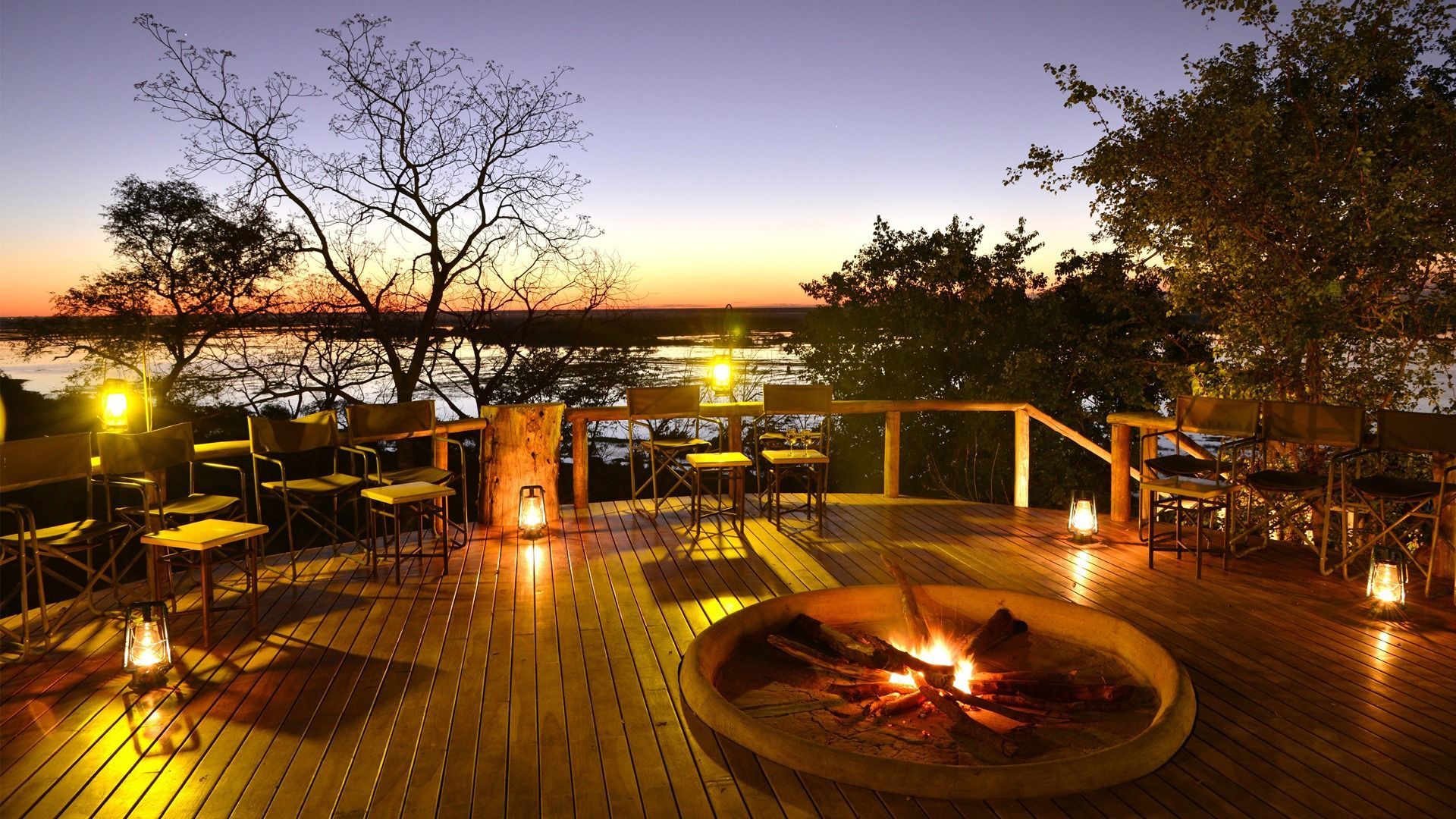
The only permanent lodge within the park itself, Chobe Game Lodge is both luxurious and eco-conscious. Wooden decks overlook the river, offering sunset views and prime wildlife watching. Rooms are spacious, with elegant touches and private terraces.


We have a variety of offers for Chobe Game Lodge and similar stays, so speak with us about the best deals for your travel dates.

Muchenje Safari Lodge

Muchenje Safari Lodge

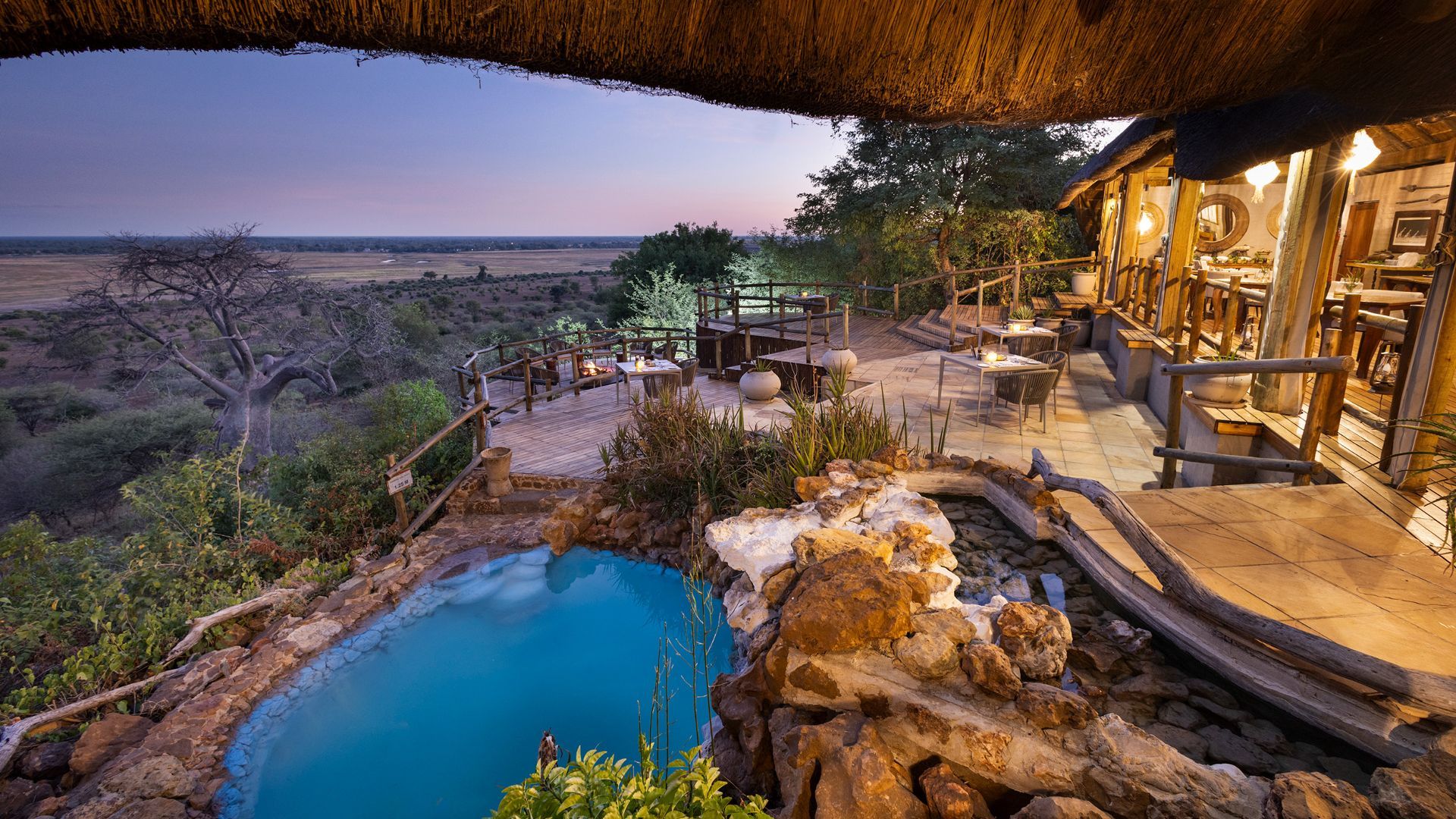
Perched on an escarpment overlooking the Chobe River, Muchenje provides panoramic views and a more exclusive safari feel. It’s outside the busy Kasane area, giving you access to quieter safari zones.


We can arrange tailored packages for Muchenje Safari Lodge and other boutique options that fit your budget and style.

Ngoma Safari Lodge

Ngoma Safari Lodge

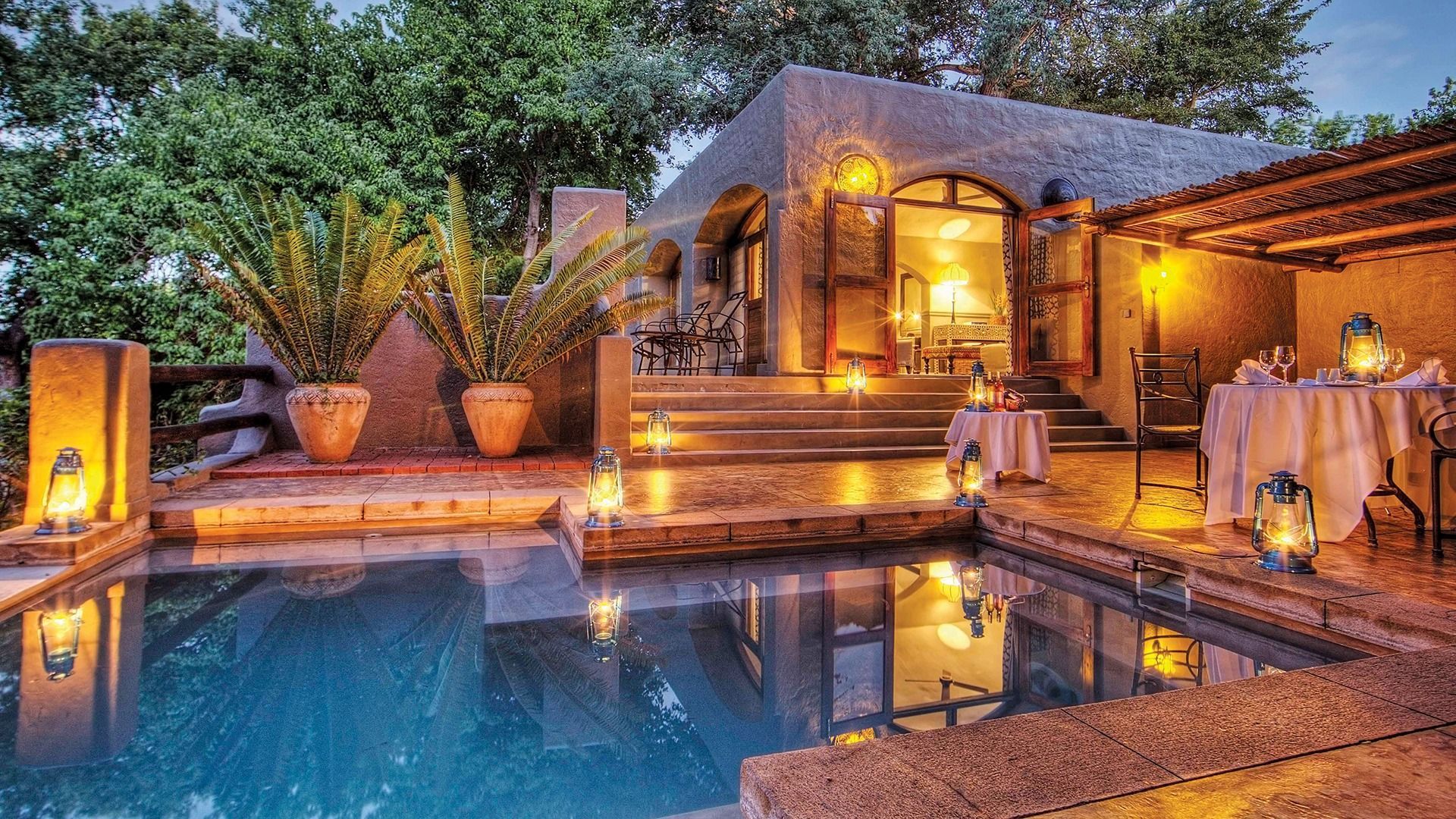
A stylish, intimate lodge with only a handful of suites, Ngoma blends modern comfort with authentic safari charm. Expect private plunge pools, gourmet dining, and guided game drives that reveal Chobe’s best.


Ask us about Ngoma Safari Lodge offers as well as similar luxury camps to elevate your safari experience.

Protections You Receive When Booking with Awake in the Wild


Booking your safari through Awake in the Wild means you can focus on the adventure while we handle peace of mind. All our tailor-made holidays include Supplier Failure Insurance and Scheduled Airline Failure Insurance. You’re also fully protected as we operate under Protected Trust Services and hold an ATOL Licence.


This means your money is secure, your flights are protected, and your safari will go ahead with trusted partners. Our role is to tailor everything to your needs while ensuring every booking is backed by strong consumer safeguards.


Packing Smart: Why Safaris in Chobe National Park Are Unique


Chobe isn’t just another safari destination. Its mix of floodplains, woodland, and riverbanks makes it distinct. Wildlife sightings are frequent, and conditions can change quickly.


Packing well ensures you’re always ready, whether it’s a cool dawn drive or a blazing midday cruise.


Seasonal Packing for Safaris in Chobe National Park


Seasons affect what you’ll need. During the dry season (May–October), dust and cooler mornings mean scarves and fleeces are essential. In the wet season (November–April), waterproof layers and insect protection are priorities.


Packing with the seasons in mind ensures year-round comfort.


Packing for Different Safari Activities in Chobe


Chobe offers more than just traditional game drives. Your packing list should reflect the variety of activities available.


  • Boat cruises on the Chobe River – A light windbreaker helps with the cool breeze on the water. Sunglasses and a strap for your hat are essential.
  • Walking safaris – Sturdy shoes, muted clothing, and a small backpack for water and binoculars.
  • Evening drives – A fleece or jacket is a must. Temperatures drop quickly after sunset.
  • Photographic safaris – Some lodges offer special vehicles equipped for photography, so extra gear like monopods may be helpful.


Having a flexible kit means you can join in every experience without discomfort. The beauty of Chobe lies in its diversity, so the more prepared you are, the richer your safari will be.


Packing for Families on Safari


Not every traveller comes to Chobe solo or as a couple. Families, especially those travelling with children, need a slightly different approach to packing.


  • Children’s clothing – Quick-dry fabrics work best, as kids often spill or get muddy. Long sleeves help protect against insects.
  • Comfort items – A favourite toy, blanket, or book can make long game drives easier for younger children.
  • Child-friendly snacks – Pack familiar items that are easy to eat on the go.
  • Sun protection – Child-specific sun creams and wide-brimmed hats are essential.
  • Entertainment for downtime – Simple card games, colouring books, or e-readers help fill gaps between activities.


Family safaris in Chobe can be unforgettable. Packing thoughtfully ensures children stay comfortable, entertained, and ready to share in the adventure without stress.


Sustainability and Eco-Friendly Packing


Safaris in Chobe National Park rely on preserving the environment. What you bring — and what you avoid — makes a difference.


  • Eco-friendly toiletries – Biodegradable shampoo and soap reduce impact on water systems.
  • Reusable items – Metal straws, cloth shopping bags, and refillable bottles cut down plastic waste.
  • Minimal packaging – Transfer snacks or toiletries into reusable containers.
  • Solar chargers – Reduce reliance on fossil fuel-powered generators in remote camps.
  • Ethical clothing – Opt for durable pieces that last multiple trips rather than fast fashion.


Eco-friendly packing isn’t just about the planet. It helps keep Chobe’s wilderness pristine, so future travellers can enjoy the same wild beauty. Choosing sustainable options adds purpose to your trip and makes your safari more meaningful.


Our View:

"Packing for Chobe is about balance — bring what makes you comfortable, but don’t overload. The right kit helps you focus on the experience, not your luggage."


Preparing for Your Chobe Safari Adventure


Packing the right way means you’ll be free to enjoy what makes Chobe so extraordinary. Whether it’s watching elephants crossing the Chobe River, spotting a pride of lions in the Savuti, or relaxing at a riverside lodge, your safari should be stress-free from start to finish.


At Awake in the Wild, we live by our promise of offering “safari experiences for every traveller”. With our expert knowledge, trusted suppliers, and financial protections, we’ll ensure your safari is as seamless as possible.


Ready to plan your Chobe adventure? Speak to our safari specialists today. Call us on 01495 400545 or complete our quick holiday enquiry form on the website. We’re only ever a call or message away.

Send an Enquiry

Frequently Asked Questions

  • What is the best time of year for Safaris in Chobe National Park?

    The dry season from May to October is best for wildlife viewing, but the green season from November to April is great for birding and fewer crowds.

  • Do I need special clothing for Safaris in Chobe National Park?

    Yes, neutral-coloured lightweight clothing, a warm layer for mornings, and a wide-brimmed hat are essential.

  • What luggage should I bring on a Chobe safari?

    Soft duffel bags are recommended, especially if you are taking small aircraft transfers. Keep weight within 15–20kg.

  • Is Chobe National Park safe for families?

    Yes, many lodges welcome families. Always check age restrictions for specific camps or activities.

  • What wildlife will I see in Chobe?

    Chobe is famous for elephants, lions, hippos, buffalo, giraffes, and a wide variety of bird species.

  • Are Safaris in Chobe National Park suitable for first-timers?

    Yes, Chobe is ideal for first-time safari travellers with excellent game viewing and accessible lodges.

  • Do I need malaria tablets for Chobe?

    Yes, Chobe is in a malaria area. Consult your GP or travel clinic for the right medication.

  • Can I combine Chobe with other safari destinations?

    Yes, it’s easy to combine Chobe with the Okavango Delta, Savuti, or even Victoria Falls.

  • What are the main differences between wet and dry season packing?

    Dry season requires warm layers and dust protection, while wet season calls for waterproofs and insect repellent.

  • Why should I book with Awake in the Wild?

    Because you’ll get a tailor-made trip, full financial protection, and personal service backed by expert safari knowledge.

Okavango Delta Safaris: How They Differ from Other Parks in Africa
By Awake in the Wild November 11, 2025
Discover how Okavango Delta safaris offer a unique, water-based adventure unlike any other in Africa. Explore lodges, wildlife and when to visit.
Luxury Safari Honeymoons: The Ultimate Romantic Escape Across Africa | Awake in the Wild
By Awake in the Wild November 10, 2025
Plan your dream luxury safari honeymoon with Awake in the Wild. Discover romantic lodges, private game drives, and tailor-made itineraries across Africa — all protected by ATOL and PTS.
A Complete Guide to Tsavo West National Park | Safari Insights UK
By Awake in the Wild September 16, 2025
A Complete Guide to Tsavo West National Park: discover wildlife, top lodges, best times to visit and travel tips for your safari getaway.
Birdwatching in Serengeti National Park: Key Species to Spot on Safari
By Awake in the Wild August 26, 2025
Discover birdwatching in Serengeti National Park key species to spot, from raptors to migrants, on a tailor-made safari with Awake in the Wild.
Etosha National Park Safaris: History & Conservation
By Awake in the Wild August 22, 2025
Etosha National Park safaris offer rich history, wildlife and conservation insights—discover how to explore and protect one of Namibia’s most iconic landscapes.
Rare and Endangered Species: Mount Kenya Safari Holidays to Remember
By Awake in the Wild August 21, 2025
Discover rare wildlife on Mount Kenya Safari Holidays. Spot endangered bongos, unique birds, and enjoy tailored safaris with full booking protection.
Romantic Safari Experiences in the Okavango Delta for Couples
By Awake in the Wild August 14, 2025
Discover romantic safari experiences in Botswana’s Okavango Delta — private lodges, sunset cruises, and intimate wildlife encounters for couples.
Safari Holidays to Tsavo East: Best Time to Visit
By Awake in the Wild August 10, 2025
Safari Holidays to Tsavo East guide: discover optimal months for wildlife, weather, and tranquillity at Kenya’s iconic park.
Luxury Safari Lodges in Tsavo East National Park – Ultimate Guide
By Awake in the Wild August 4, 2025
Luxury safari lodges in Tsavo East National Park offer indulgent stays amid wild beauty. Discover top lodges, expert tips, and booking protections.
Chobe National Park history and conservation – Safari guide
By Awake in the Wild August 3, 2025
Chobe National Park history and conservation revealed: explore wildlife recovery, key milestones, eco-lodges and tips for booking your tailored safari.
Show More