How Okavango Delta Differs from Other Parks in Africa

The morning mist hovers above the water, the reeds rustle, and the low call of a fish eagle drifts across the horizon. In this golden light, you begin to understand why okavango delta safaris feel so utterly different from any other African wilderness. Here, nature flows instead of roars. The landscape is alive with movement — ripples of water, flutters of wings, and the gentle sway of papyrus — all shaped by a river that never reaches the sea.
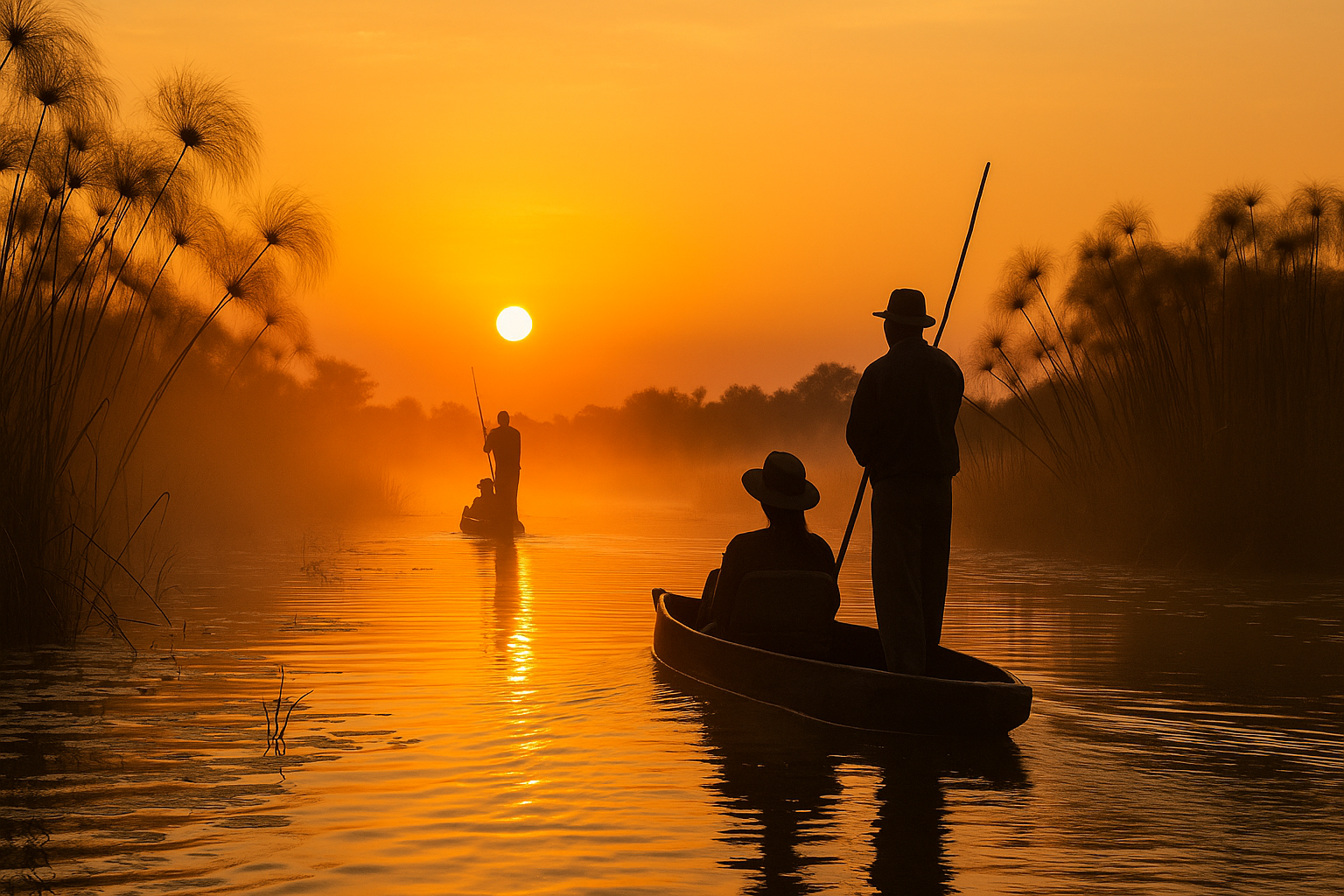
Unlike Africa’s better-known savannahs, where game vehicles follow dusty tracks through open plains, the Okavango Delta invites you to slow down. You glide through mirrored channels in a mokoro canoe, your poler’s oar cutting silently through the stillness.
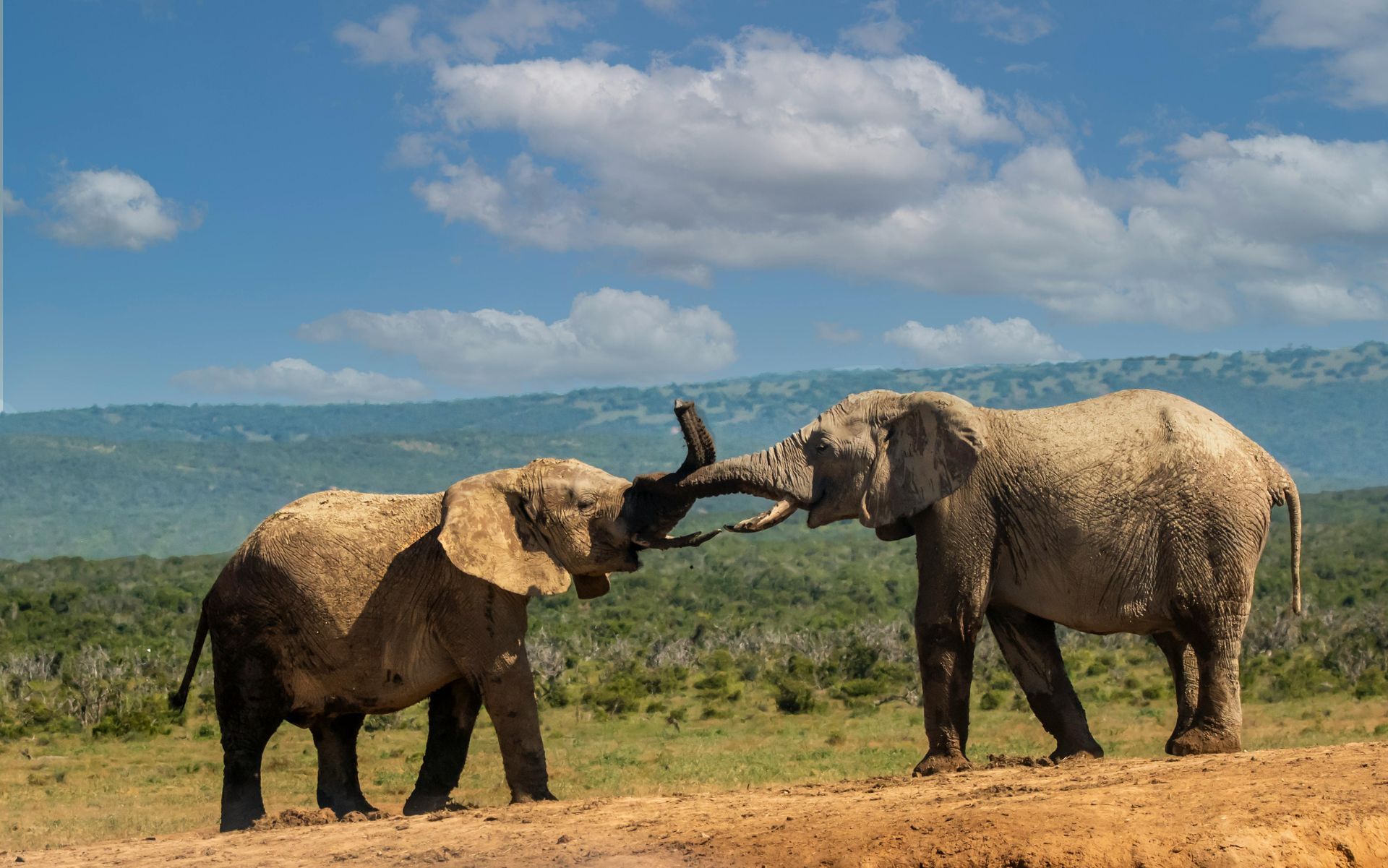
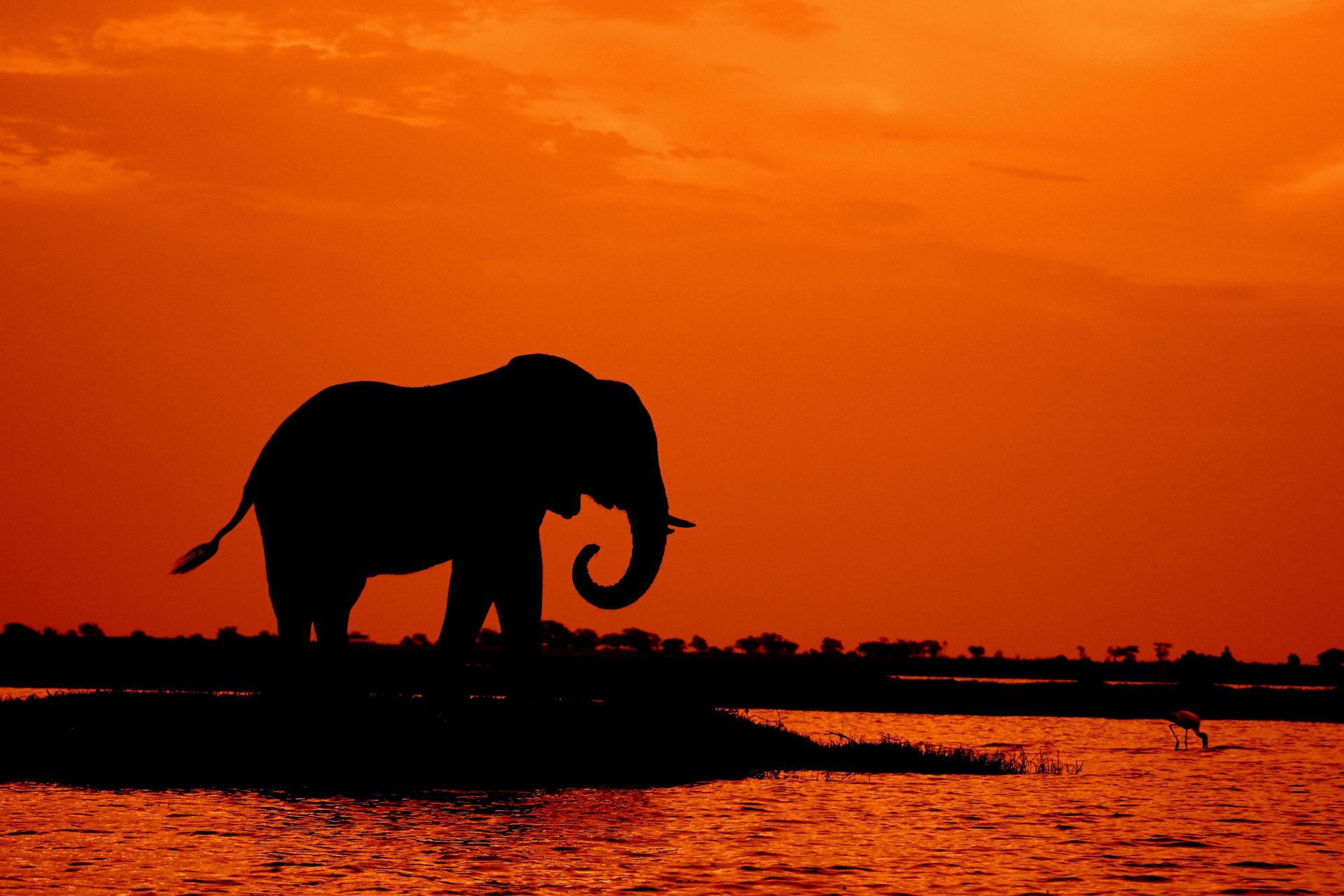
Elephants cross through water in single file, and lily pads drift in your wake. It’s not just a safari here — it’s an immersion into rhythm and reflection, a living oasis in the middle of the Kalahari Desert.
The Okavango: An Inland Delta Like No Other
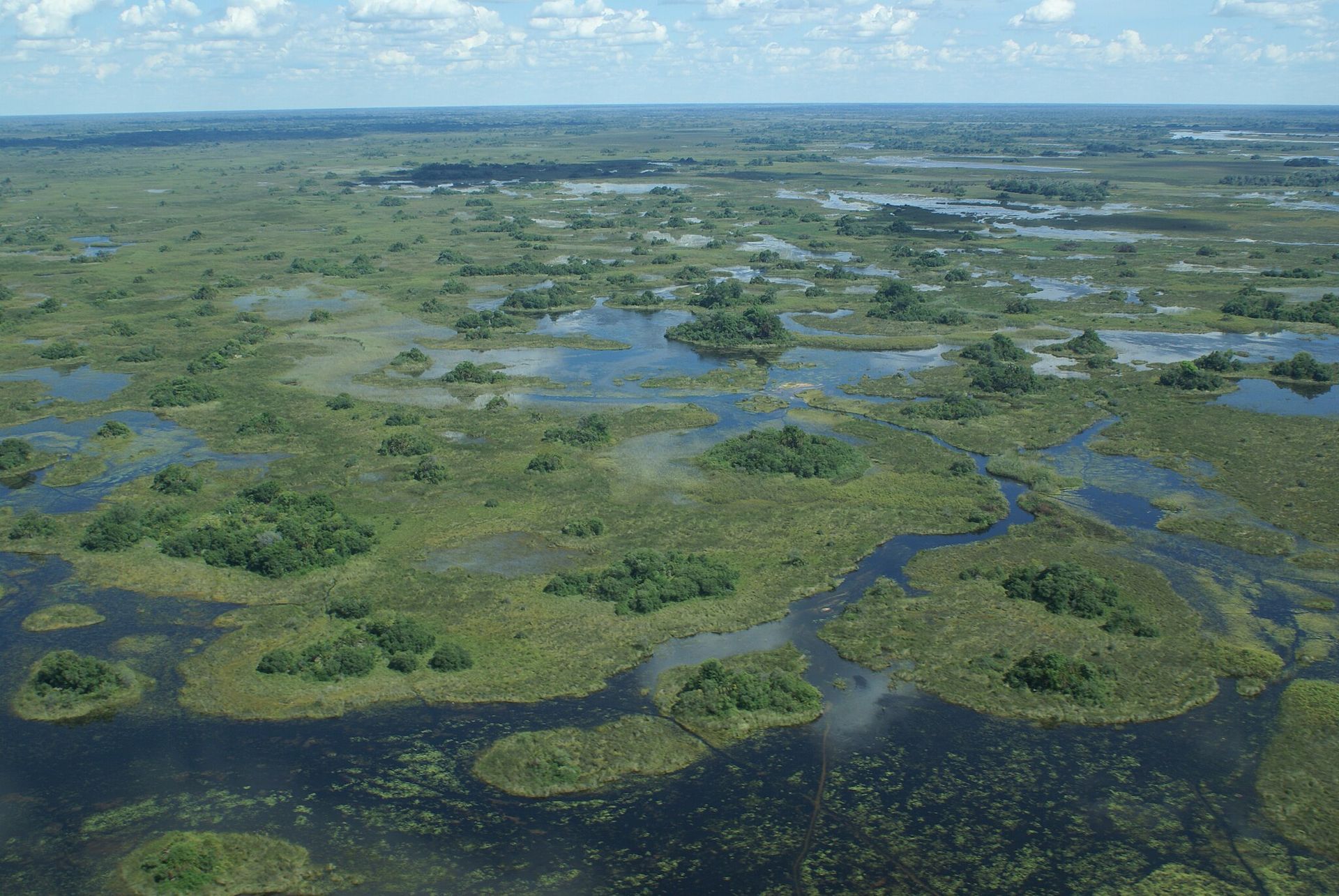
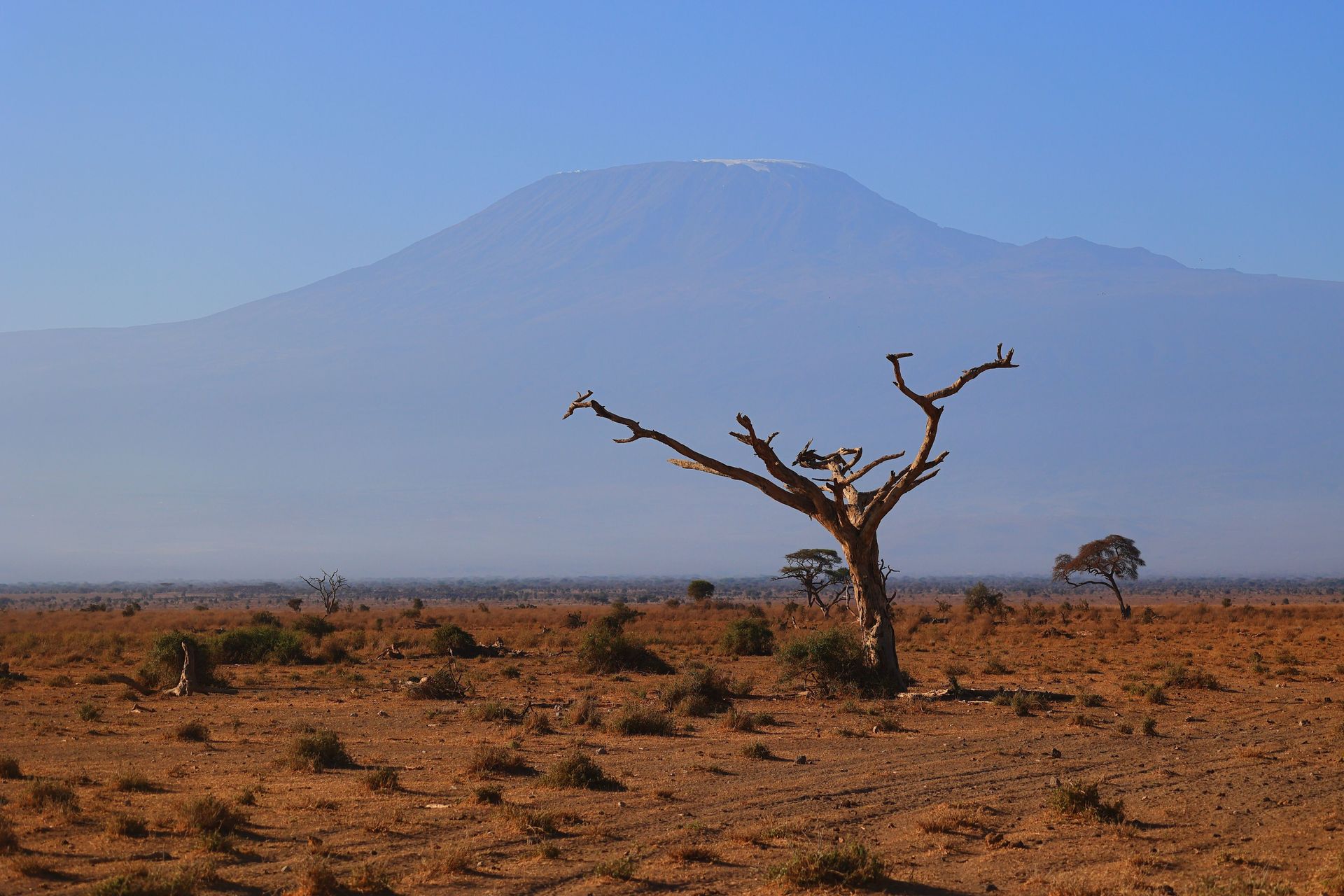
Most of Africa’s great safari parks — the Serengeti, Kruger, or Amboseli — are vast expanses of dry grassland or savannah, their life dependent on seasonal rains. The Okavango Delta, by contrast, is an inland delta — one of the world’s few. Each year, floodwaters from the Angolan highlands travel over 1,000 kilometres before spilling gently across the sands of northern Botswana, creating a 15,000-square-kilometre paradise of islands, lagoons and floodplains.
This hydrological wonderland breathes life into the desert. As the rest of Botswana’s Kalahari bakes in the dry season, the Delta is at its lushest, its channels brimming with fish and its floodplains teeming with antelope, elephants and predators drawn to the abundance.
It’s a contradiction that defines its magic: water in a desert, movement without roads, and silence filled with life.
Our View:
“There’s something almost spiritual about drifting through the Delta by mokoro at sunrise — the air still cool, the world hushed, and wildlife emerging as if from a dream.”
A Safari Shaped by Water
If you’ve experienced other African parks, you’ll know the rhythm: early morning game drives, long golden afternoons, and evenings around the fire. In the Okavango Delta, the rhythm shifts. The water dictates the pace — and with it, your perspective.
Here, safaris aren’t confined to vehicles. You explore by:
- Mokoro Canoe: A traditional dug-out canoe guided by local polers, gliding silently through papyrus-lined channels.
- Boat Cruise: On deeper lagoons, you’ll watch elephants drink and fish eagles dive at sunset.
- Walking Safari: Led by expert guides, walking through island trails brings a raw intimacy with the land.
- 4x4 Game Drive: On higher ground, you’ll still find classic game-viewing terrain — plains dotted with zebra, wildebeest and lions.
- Scenic Flight: From above, the Delta unfurls like a living mosaic of blue and green, a patchwork of channels and islands.
No two okavango delta safaris are ever the same. Each day brings a different balance of water and land, stillness and movement.
The Dance of Seasons
The Okavango’s wildlife follows the pulse of the floods. From May to September — the Delta’s high-water season — herds of elephant, buffalo and antelope gather on islands surrounded by shimmering lagoons. As the waters recede in October, predators follow the migrating game, and birdlife explodes in diversity.
This ebb and flow creates a safari that feels alive, shifting beneath your feet — or your paddle.
When to Visit the Okavango Delta
Best Months: May to October
Flood Season: June to August (highest water levels)
Dry Season: November to March (green, vibrant, fewer tourists)
- May–August: Peak flood season. Ideal for mokoro excursions and photography. Cooler days, crisp nights, superb wildlife concentrations.
- September–October: Drier terrain, easier animal sightings as water levels drop. Hotter temperatures but thrilling predator activity.
- November–March: The ‘green season’ — lush scenery, migratory birds, dramatic skies, and excellent value.
Whether you visit during the emerald floods or golden dry months, the Okavango Delta always delivers magic — it simply changes its costume.
A Wildlife Haven Unlike Any Other
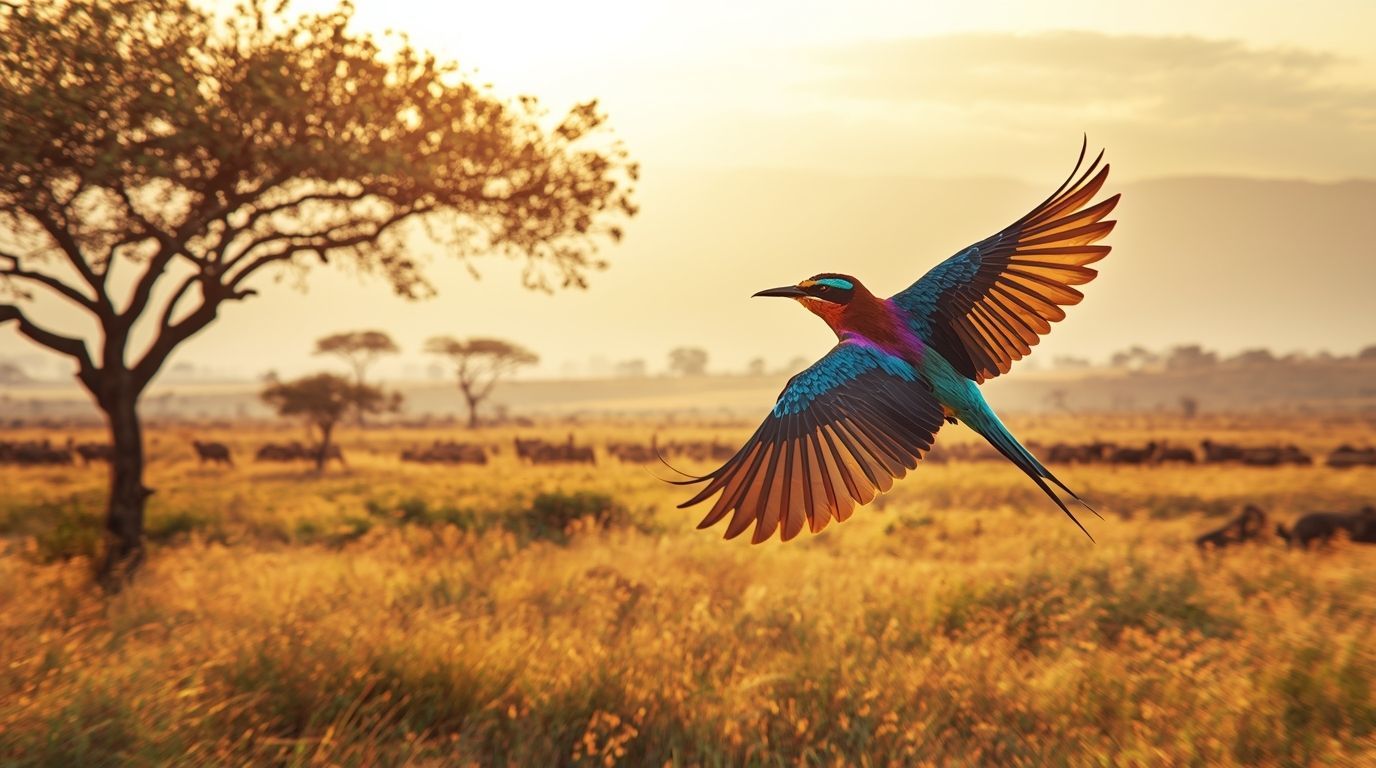
The Okavango Delta is home to over 160 species of mammals, 530 species of birds and more than 1,000 plant species. It’s one of the few places in Africa where you can see the Big Five and water-adapted species in the same day: elephants wading through lilies, lions stalking across channels, and red lechwe leaping between islets.
While the Serengeti dazzles with migration and Kruger with accessibility, the Okavango enchants with intimacy. The absence of crowds allows for quiet, private encounters — a leopard crossing your path at dawn, or a pod of hippos yawning under a rose-tinted sky.
The entire ecosystem is protected, remote and carefully managed. It’s a UNESCO World Heritage Site, recognised for its pristine wilderness and biodiversity.
Three Ways to Experience the Okavango Delta
Vumbura Plains Camp — Ultimate Luxury in Motion

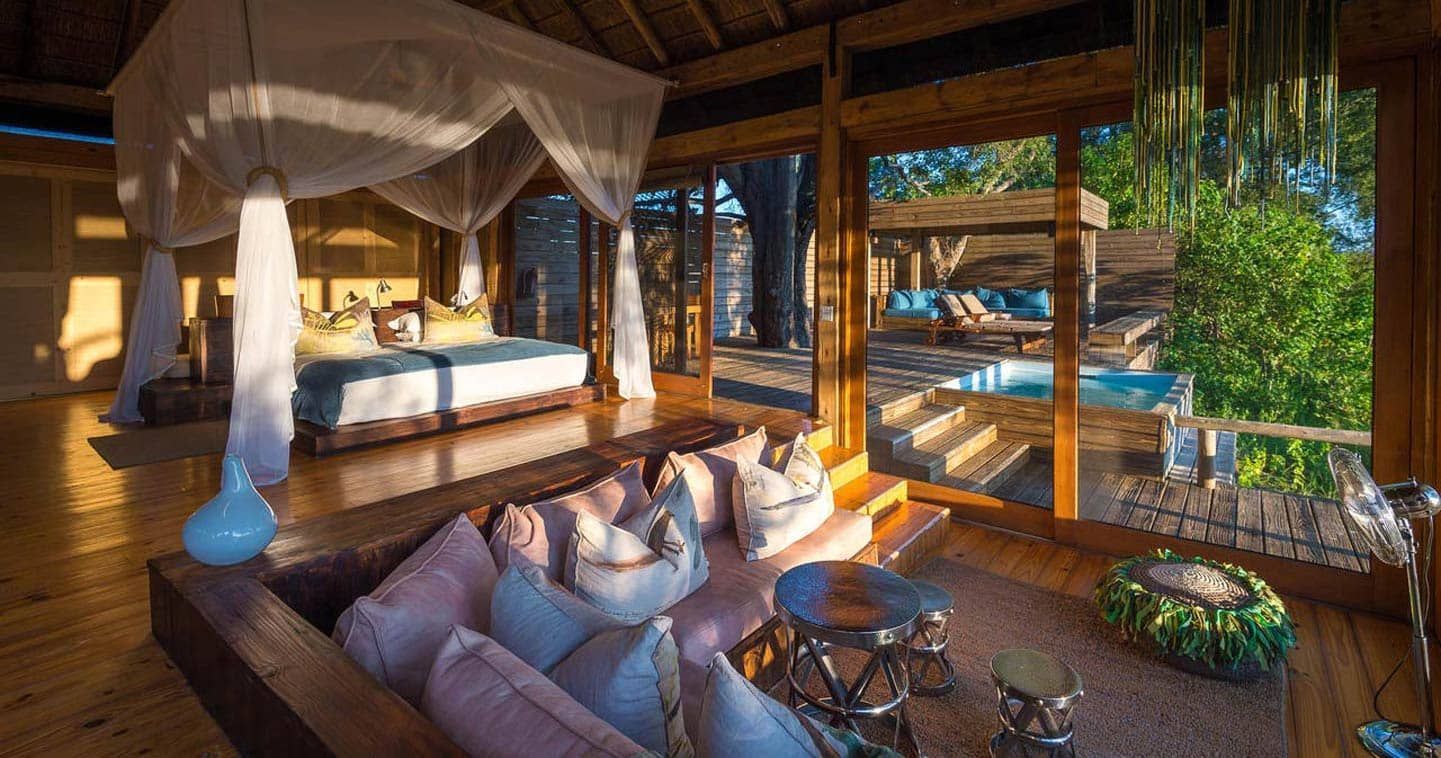
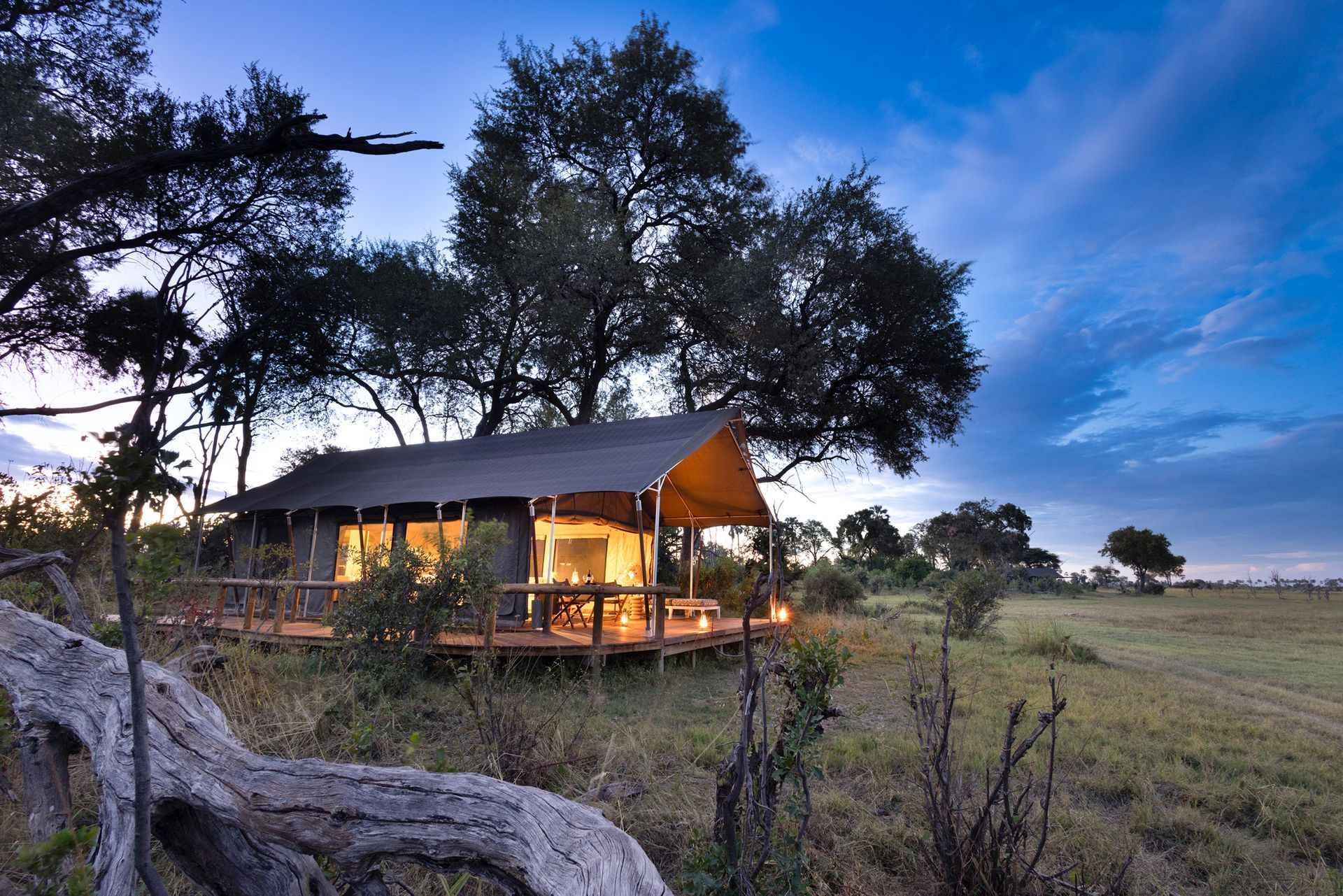
Operated by Wilderness Safaris, Vumbura Plains Camp is one of the Delta’s crown jewels. Set within a private concession in the northern Okavango, it blends modern design with wild elegance — all glass, wood and water reflections. Each suite has a private plunge pool, outdoor shower and panoramic views of the floodplain.
Morning mokoro excursions glide straight from camp, and game drives deliver exceptional wildlife diversity: lions, leopards, wild dogs and large herds of elephants. The guiding here is world-class — calm, intuitive and deeply knowledgeable.
Evenings end with lantern-lit dinners under the stars and the low hum of frogs and cicadas rising from the water’s edge. It’s luxury that feels light — a celebration of nature, not a distraction from it.
When you book through Awake in the Wild, we ensure your stay aligns with your pace and purpose. Whether you’re seeking romance, photography, or pure stillness, we’ll tailor your okavango delta safari experience around you.
Gomoti Plains Camp — Sustainable Safari with Soul

If Vumbura is the Delta’s shimmering showpiece, Gomoti Plains Camp, operated by Machaba Safaris, offers a soulful, eco-conscious alternative. Located on the edge of the Gomoti River system, this mid-luxury camp champions sustainability — solar power, low-impact design, and locally sourced decor.
Tented suites overlook floodplains where giraffe, zebra and elephants graze. Days begin with sunrise coffee around the campfire, then a game drive or mokoro adventure through the water channels. Guides here have grown up in the region — their stories weave together ecology, folklore and conservation.
Afternoons bring quiet reflection, birdwatching from your veranda, or a swim in the pool as the bush hums around you. It’s a balance between comfort and authenticity — refined yet rooted in the landscape.
Exploring the Delta with Awake in the Wild ensures you travel responsibly. We connect you with operators who share our ethos of protecting habitats, empowering communities, and delivering meaningful travel.
Oddballs’ Camp — Barefoot Adventure and Wild Freedom

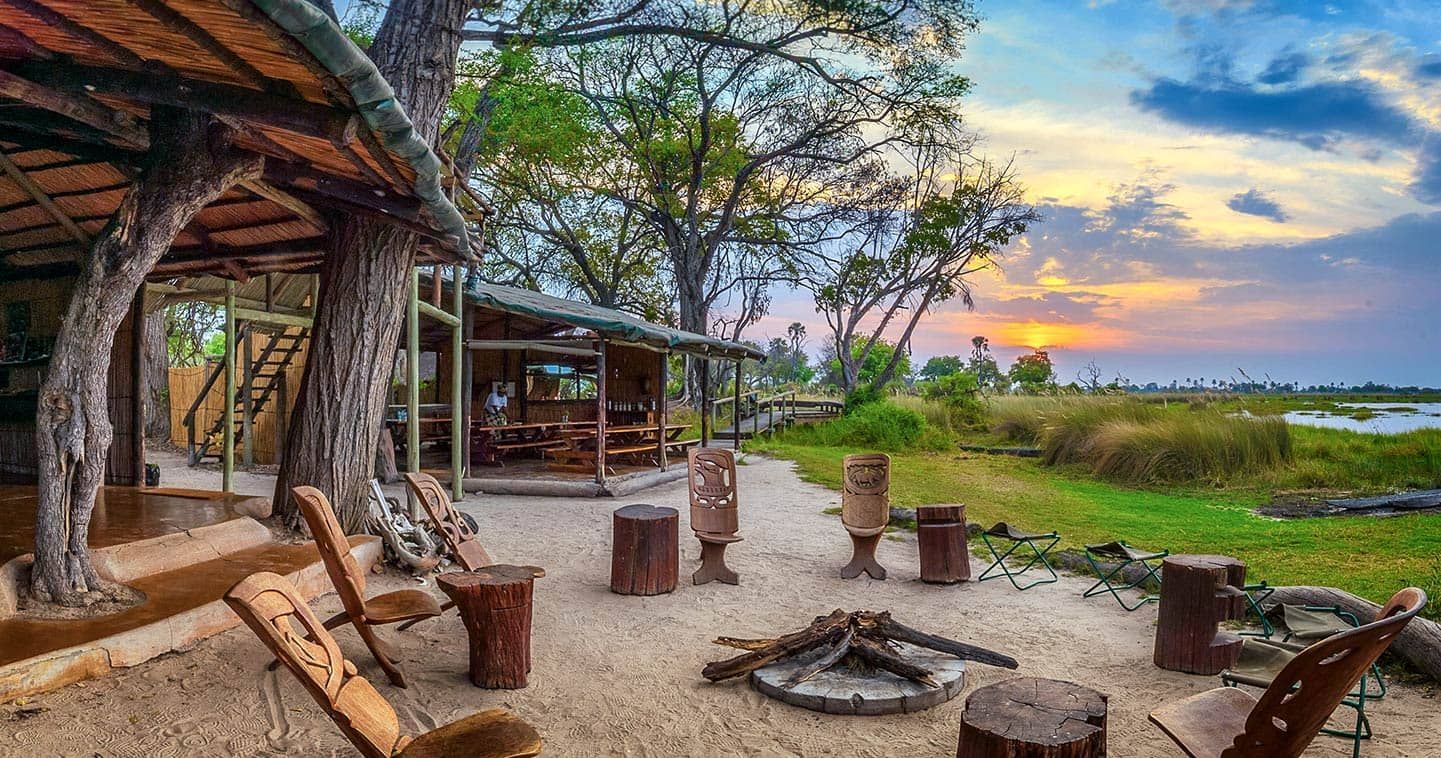
For those drawn to simplicity and raw connection, Oddballs’ Camp captures the original spirit of the Delta. Perched on the edge of Chief’s Island, this iconic camp embraces a “back to nature” philosophy. Accommodation is in simple Meru tents set on elevated wooden decks, each with an open-air ensuite bathroom and unbeatable views across the floodplains.
There are no vehicles here. You explore entirely on foot or by mokoro, led by your personal poler-guide — often someone whose family has lived in the Okavango for generations. Without engines or roads, every sound becomes part of your story: frogs croaking, hippos grunting, the soft whisper of reeds.
It’s authentic, adventurous and utterly grounding — proof that okavango delta safaris aren’t only about luxury, but about spirit and stillness.
Why the Okavango Feels Different
The Okavango Delta changes how you experience the wild. You don’t just watch nature — you move with it. You feel the pulse of water beneath you, the shimmer of light across the floodplains, the stillness of night as lions call across the distance.
It’s Africa in slow motion, intimate and alive.
Booking with Confidence
When you book with Awake in the Wild, your holiday is fully protected. We are members of Protected Trust Services and hold an ATOL License, meaning your money is safeguarded. Every tailor-made safari also includes Supplier Failure Insurance and Scheduled Airline Failure Insurance for complete peace of mind.
Why Choose Awake in the Wild
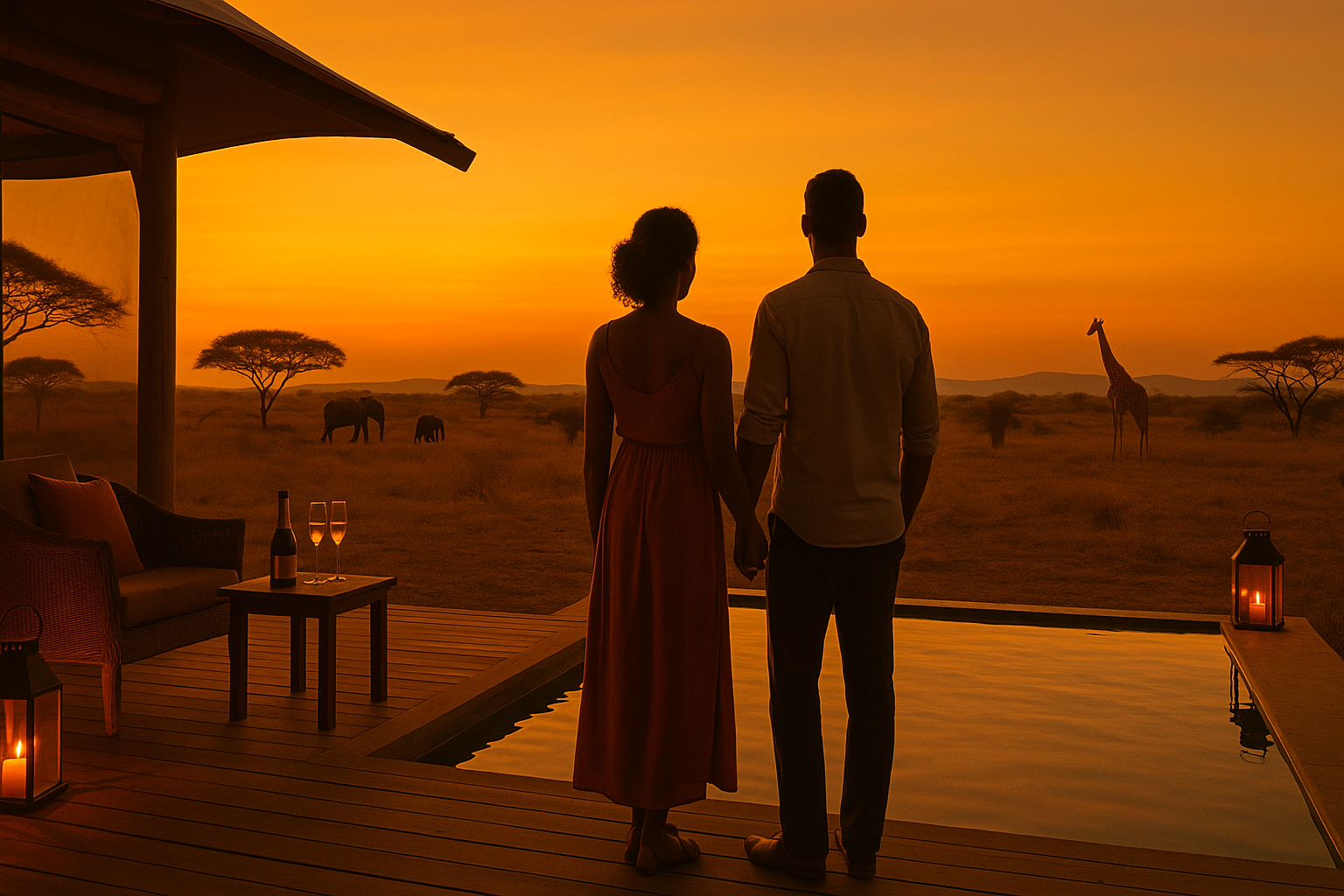
At Awake in the Wild, we don’t sell off-the-shelf safaris — we craft journeys that reflect who you are. Whether it’s drifting through the Delta’s silver channels, tracking lions in the drier plains, or watching the sun melt into the horizon from your private deck, every experience is designed to be as unique as you are.
Our long-standing partnerships across Botswana mean you’ll stay at handpicked lodges like Vumbura Plains, Gomoti Plains and Oddballs’ Camp, each matched to your style and travel vision. You’ll have 24/7 support, expert guidance, and a genuine connection to people and places.
Call us on 01495 400545, email explore@awakeinthewild.co.uk, or use our website’s search tool to start planning your own bespoke safari adventure.
Responsible Travel
Every safari with Awake in the Wild contributes to conservation and community. In the Okavango, we prioritise lodges that employ local guides, support anti-poaching efforts, and reinvest in surrounding villages. Travel here responsibly — tread lightly, listen deeply, and leave the Delta as you found it: wild, free and thriving.
Share the Wild
If you’ve ever dreamed of Africa beyond the ordinary — where water carves wilderness and silence speaks — share this story. Inspire someone to explore okavango delta safaris and discover a new rhythm of the wild.
What moment would you most love to experience — the hush of dawn on the water, or the night sounds rising from the floodplain?
Send an Enquiry
We will get back to you as soon as possible.
Please try again later.
Frequently Asked Questions
Where is the Okavango Delta located?
The Okavango Delta lies in north-western Botswana. It’s a vast inland wetland formed where the Okavango River spreads out and disappears into the sands of the Kalahari Desert — a rare phenomenon that creates one of Africa’s richest ecosystems.
What makes Okavango Delta safaris different from other African safaris?
Unlike traditional savannah safaris, Okavango Delta safaris are shaped by water. You explore by mokoro canoe, boat, and on foot, as well as by vehicle. The Delta’s seasonal floods bring a unique rhythm to wildlife viewing, creating constantly changing habitats and incredibly intimate encounters.
When is the best time to visit the Okavango Delta?
The peak safari season runs from May to October, when floodwaters are highest and wildlife viewing is at its best. The green season (November to March) is ideal for birdwatching, lush landscapes, and quieter camps — often with lower rates.
How do I get to the Okavango Delta?
Most visitors fly into Maun, Botswana, then connect by light aircraft directly to their lodge or camp. These scenic flights are an unforgettable part of the experience, offering aerial views of the Delta’s waterways and wildlife.
What wildlife will I see on an Okavango Delta safari?
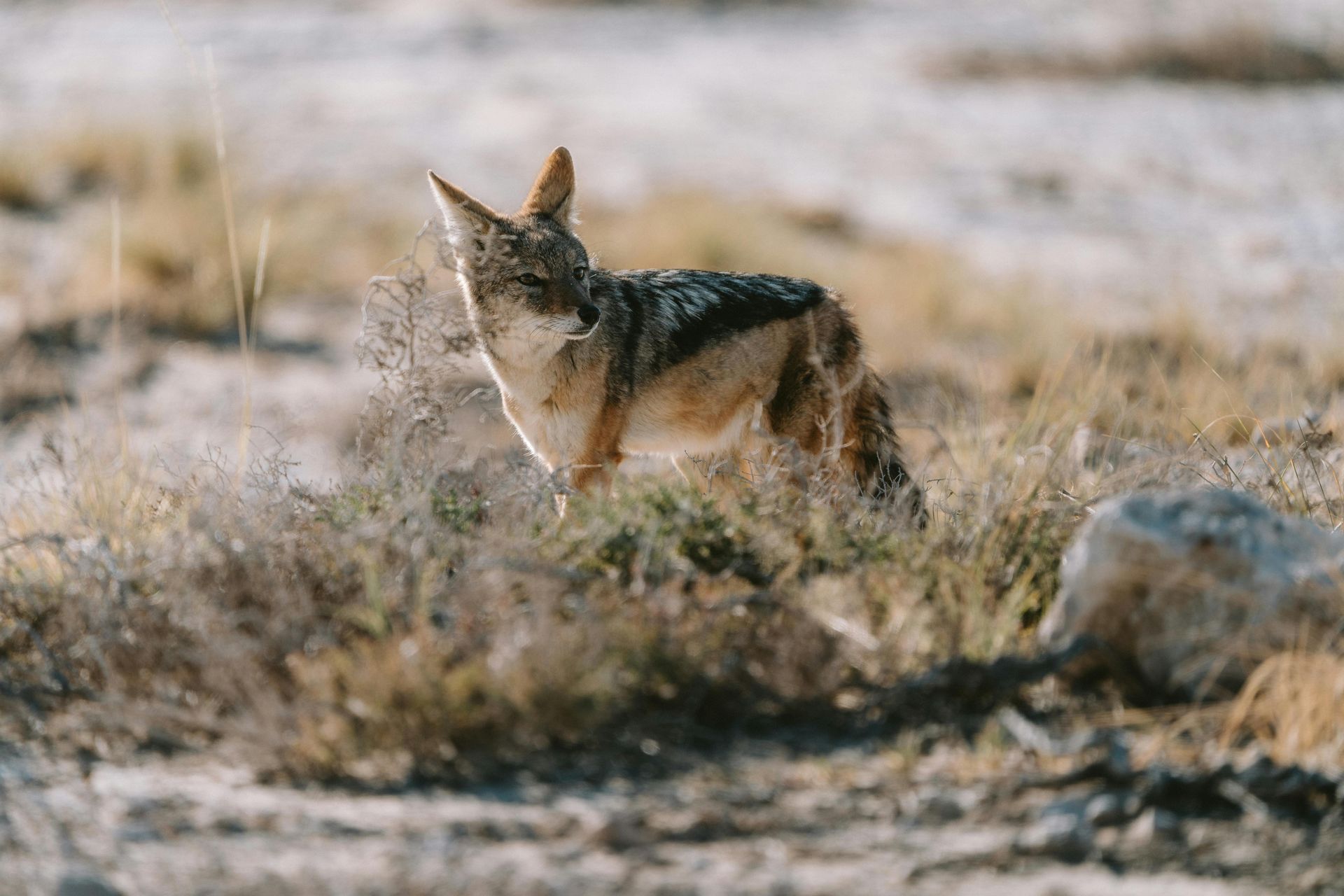
Expect elephants, hippos, lions, leopards, buffalo, giraffe, antelope such as red lechwe and sable, and a dazzling array of birdlife — over 500 species. Because each camp sits in a private concession, sightings are often exclusive and unhurried.
Are Okavango Delta safaris suitable for families?
Yes. Many camps welcome children with age-appropriate activities like junior ranger programmes, family mokoro trips, and short nature walks. Awake in the Wild can recommend family-friendly camps such as Gomoti Plains or Kwara that combine adventure and comfort.
Is it safe to travel to the Okavango Delta?
Absolutely. Botswana is one of Africa’s safest and most stable countries, with a strong conservation ethic and well-regulated tourism sector. When you book through Awake in the Wild, your itinerary, transfers and lodges are fully protected and coordinated for peace of mind.
How long should I stay in the Okavango Delta?
We recommend three to four nights for a focused Delta experience, or seven nights if combining multiple regions or camps. Pairing the Delta with the Chobe River or Makgadikgadi Pans creates a wonderful contrast of ecosystems.
What should I pack for an Okavango Delta safari?
Light, neutral-coloured clothing, a wide-brimmed hat, comfortable walking shoes, insect repellent, binoculars, and a good camera are essentials. Evenings can be cool between May and August, so pack a warm layer for night drives.
How do Awake in the Wild protect my booking?
When you book with Awake in the Wild, your holiday is fully protected. We are members of Protected Trust Services and hold an ATOL License, meaning your money is safeguarded. Every tailor-made safari also includes Supplier Failure Insurance and Scheduled Airline Failure Insurance.