Chobe National Park History and Conservation – A Legacy Worth Protecting
Chobe National Park History and Conservation – A Legacy Worth Protecting
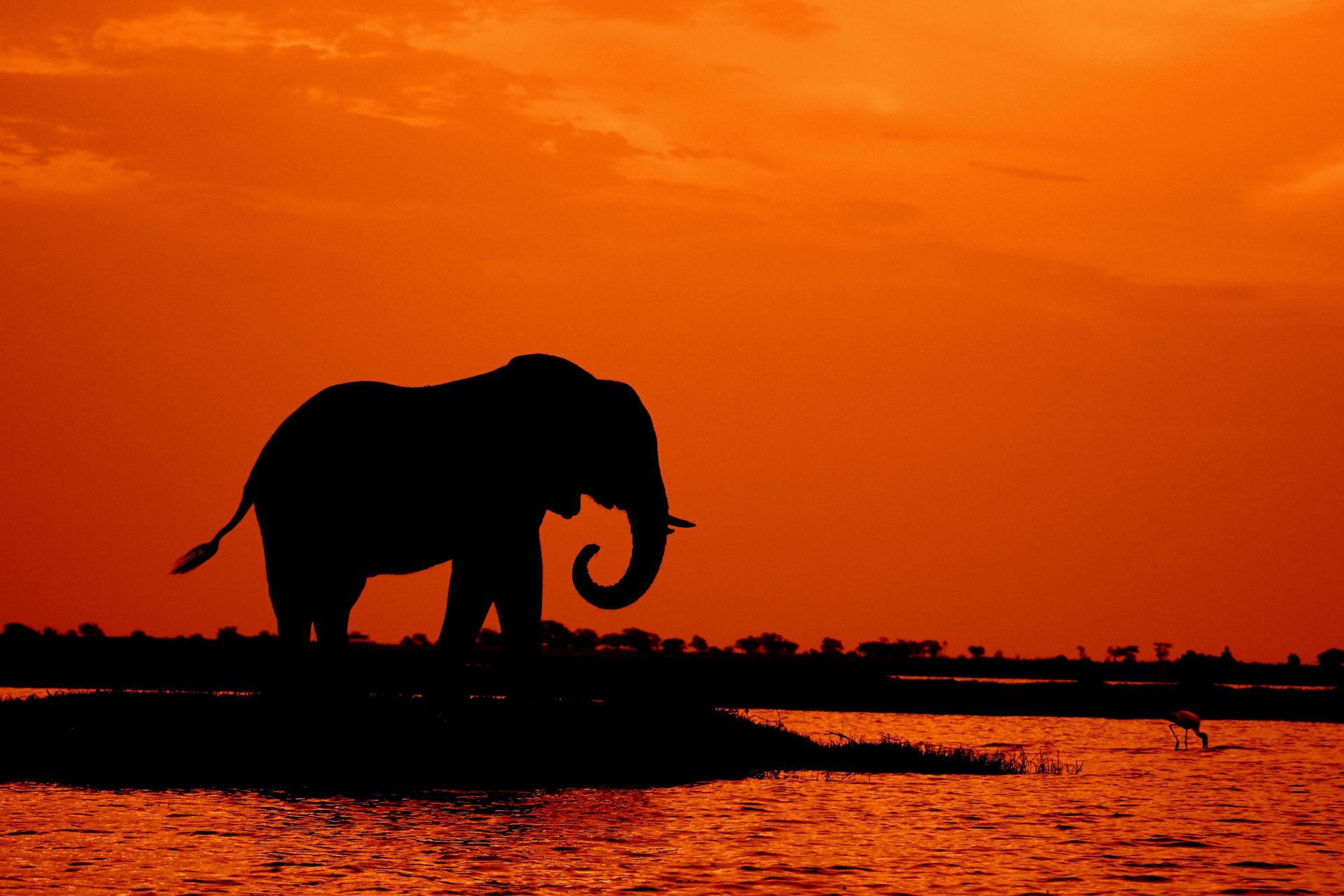
Chobe National Park history and conservation are inseparable. This vast reserve in northern Botswana is home to one of the largest concentrations of wildlife in Africa, yet its survival has always depended on the balance between people, nature, and sustainable travel. From its colonial beginnings to today’s thriving haven for elephants and birdlife, Chobe tells a story of resilience. Visitors come not just for safari experiences but to witness a living example of how careful protection can preserve both heritage and wilderness.
The Early Story of Chobe National Park
The history of Chobe began long before it became Botswana’s first national park. For centuries, the region around the Chobe River was the lifeline for indigenous communities, hunters, and traders. The river’s seasonal floods created fertile plains that attracted both people and wildlife.
When European explorers arrived in the 19th century, the area’s rich wildlife drew hunters from across the globe. Large herds of elephant and buffalo were targeted, and by the early 20th century, many species had declined sharply. The need for protection became clear.
In 1931, the colonial government set aside a protected area known as the Chobe Game Reserve. This move laid the foundation for what would later become Chobe National Park in 1967, soon after Botswana gained independence. This early action set a precedent for conservation in southern Africa, proving that wildlife could thrive when land was safeguarded.
From Reserve to National Park
The transition from game reserve to national park marked a turning point in Chobe’s story. Botswana’s new government, led by President Sir Seretse Khama, recognised that safeguarding natural resources was central to both national pride and economic growth. Chobe became a symbol of this vision.
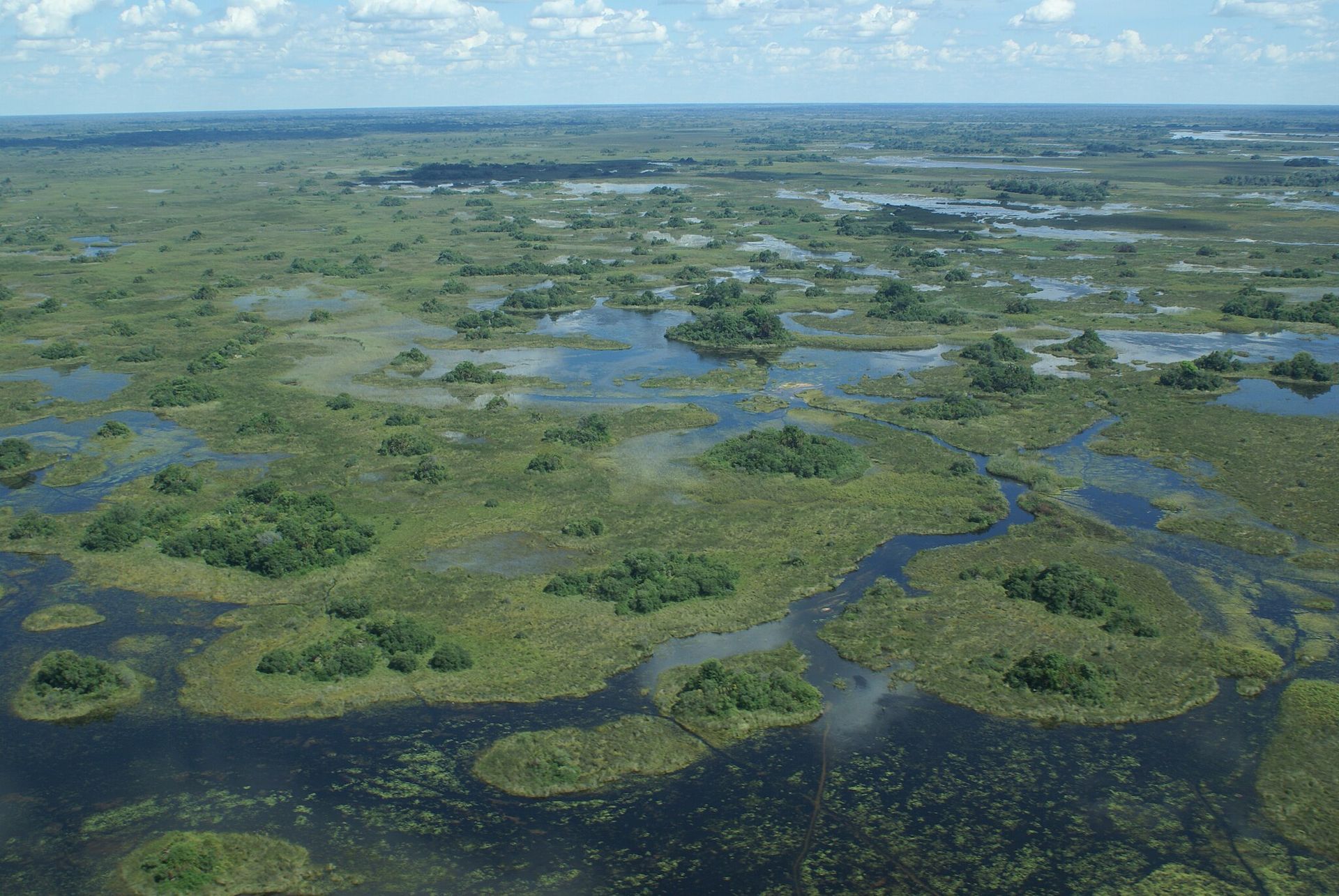
The park’s boundaries expanded to cover over 11,000 square kilometres, stretching from riverfront floodplains to the dry Savuti Marsh and Linyanti Swamps. Each habitat supported different species, creating a biodiversity hotspot that today attracts travellers from around the world.
By the 1970s, elephant numbers began to recover, although this success brought new challenges. Growing populations placed pressure on vegetation, sparking debates about how best to manage both animals and habitat. Chobe became a living laboratory for conservation practice, influencing policies across the continent.
For travellers today, walking in the footsteps of this history adds depth to every safari drive. You’re not only spotting wildlife—you’re experiencing a landscape that tells a story of recovery and resilience.
Conservation Milestones in Chobe
Chobe National Park history and conservation are tied together by key milestones. In the decades after independence, Botswana took bold steps to protect its natural heritage. Anti-poaching patrols were established, and community outreach programmes helped local people benefit from conservation rather than be excluded from it.
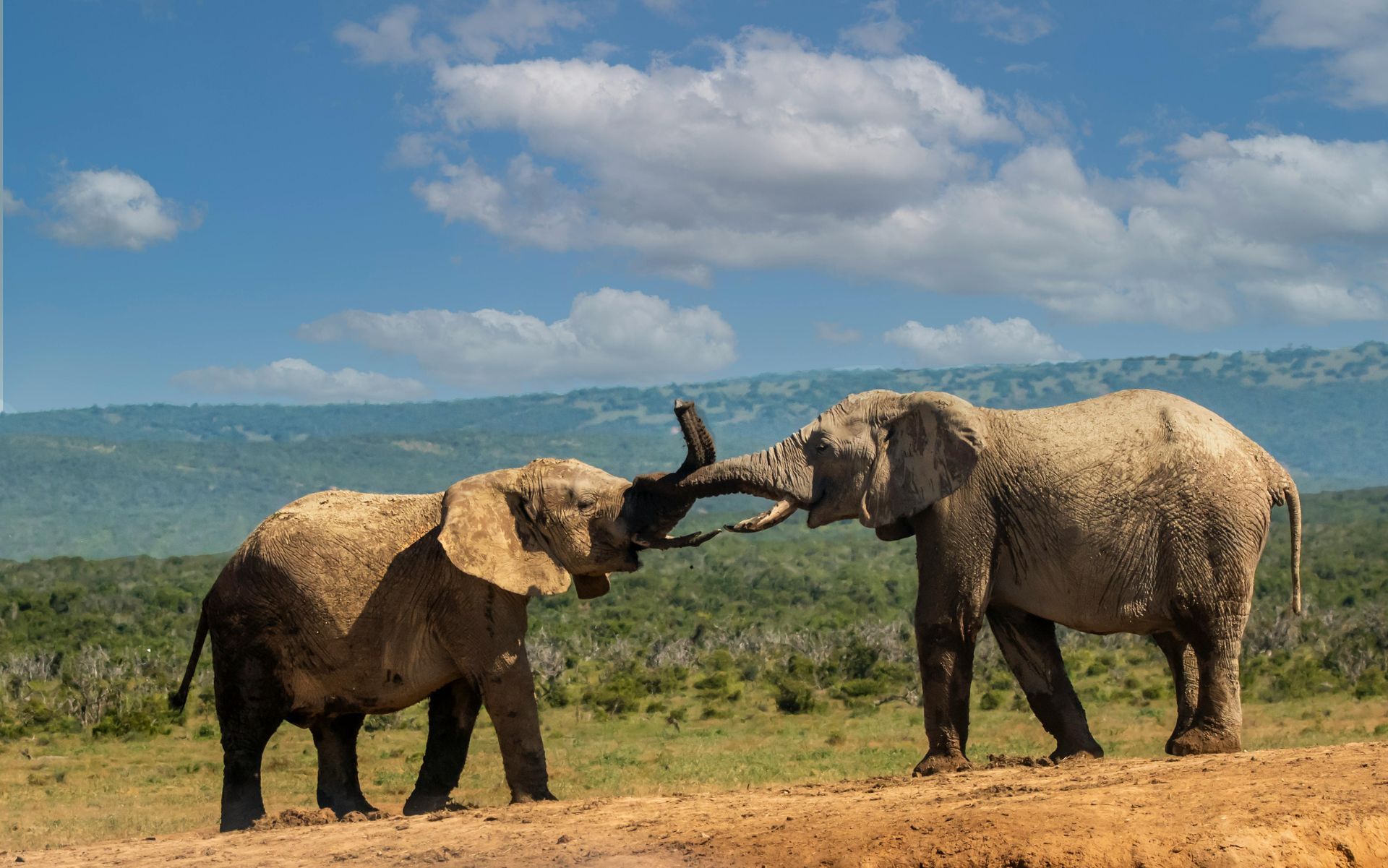
By the 1980s, Chobe had become internationally recognised as a safe haven for elephants. Today, it is estimated that more than 120,000 elephants roam the park, one of the largest populations anywhere in the world. Their presence has turned the park into a global icon for wildlife tourism. By the 1980s, Chobe had become internationally recognised as a safe haven for elephants. Today, it is estimated that more than 120,000 elephants roam the park… This is supported by significant biodiversity conservation data compiled by the IUCN.”
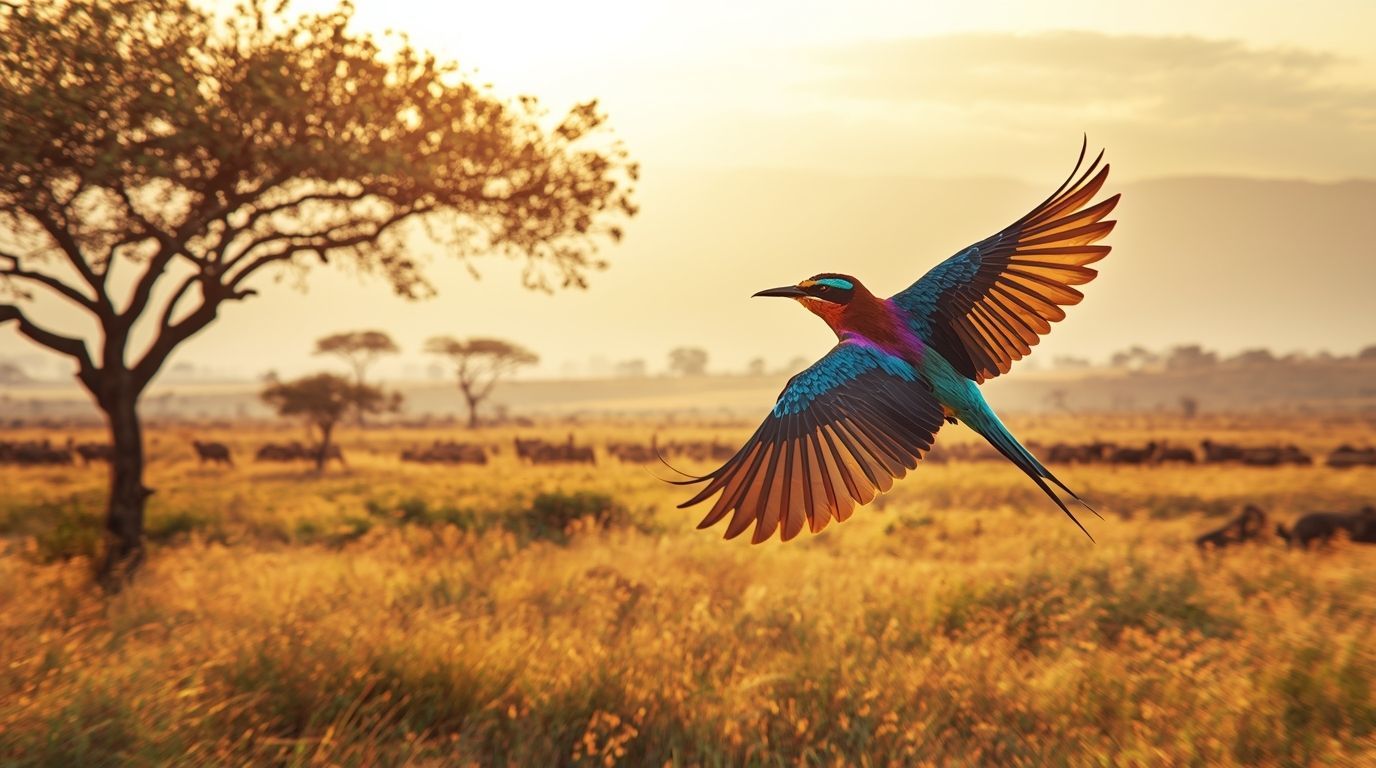
Bird conservation has also been central to Chobe’s story. Over 450 bird species have been recorded, from African fish eagles to the rare Pel’s fishing owl. This variety makes the park a paradise for birdwatchers as well as safari travellers.
These successes highlight how forward-thinking policies shaped Chobe into the model it is today. Still, conservation remains a journey rather than a finished goal.
Modern Challenges Facing Chobe
While elephant recovery is celebrated, it has created new dilemmas. Large herds consume huge amounts of vegetation, reshaping riverbanks and floodplains. Some areas once thick with woodland are now open grassland. Conservation teams face tough choices: should elephant populations be controlled, or should nature take its course?
Other pressures also loom. Human-wildlife conflict remains a concern for nearby communities. As villages grow, crops are damaged by elephants and predators sometimes threaten livestock. Finding fair solutions means balancing people’s livelihoods with the park’s ecological needs.
Climate change adds another layer of uncertainty. Shifting rainfall patterns alter river flows, which in turn affect the delicate ecosystems that support Chobe’s wildlife. These changes are being closely monitored, but they raise pressing questions about long-term resilience.
For visitors, seeing these dynamics first-hand gives a deeper appreciation of conservation’s complexity. It reminds us that protecting wildlife is about more than counting animals—it’s about sustaining harmony between land, people, and nature.
Staying in Chobe – Safari Lodges with a Purpose
Chobe is not only a place of history and conservation—it is also a world-class destination for safari holidays. The lodges here combine luxury with sustainability, offering travellers both comfort and connection with nature.
Chobe Game Lodge
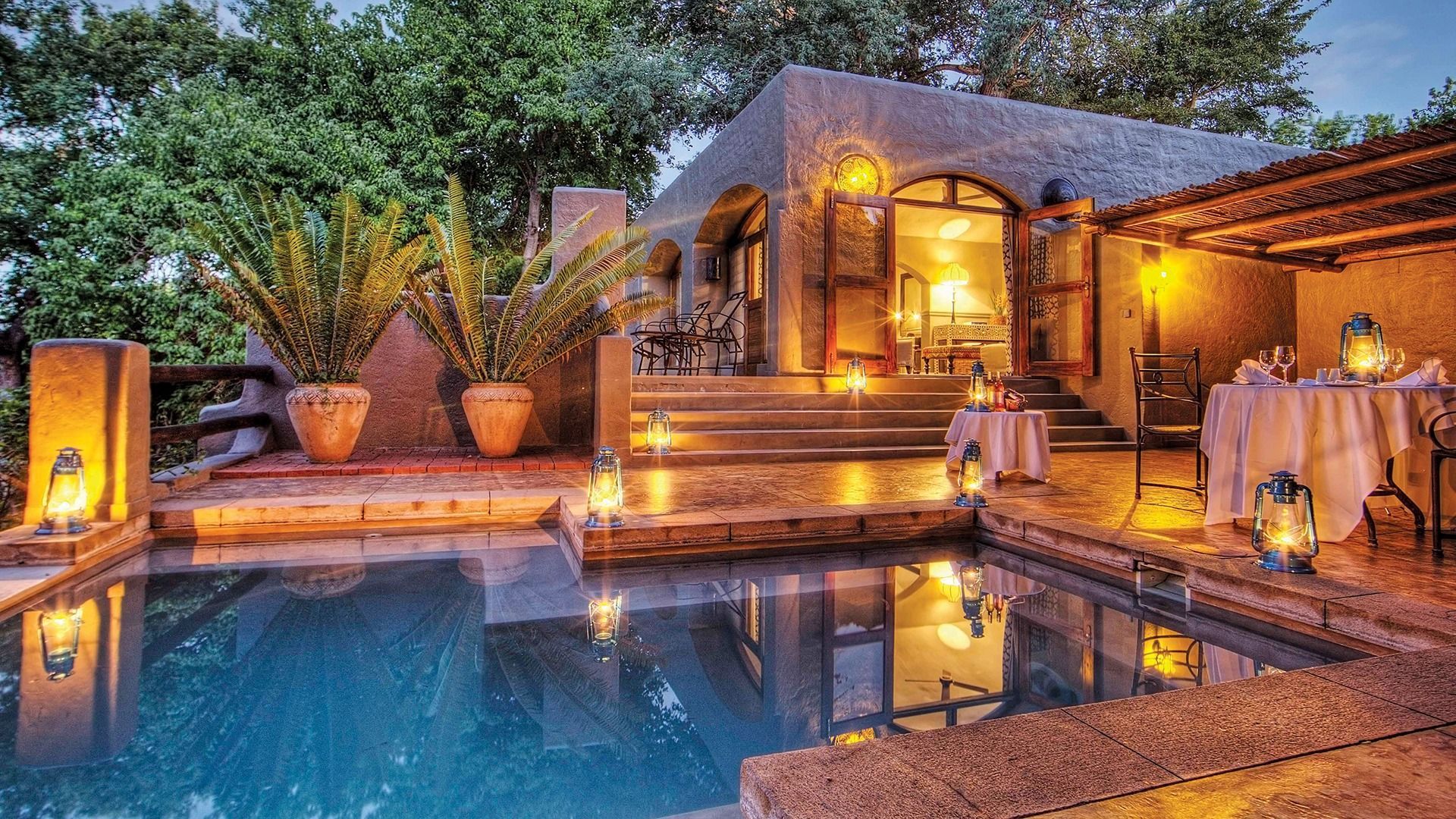
One standout is Chobe Game Lodge, the only permanent lodge within the park itself. This property is renowned for its riverfront location, eco-friendly operations, and fully electric safari vehicles. Guests can enjoy guided boat cruises on the Chobe River, sunset views from private decks, and the chance to spot elephants crossing the water just metres away.
Beyond its setting, Chobe Game Lodge plays a key role in conservation. It employs the first all-female safari guide team in Africa, a groundbreaking initiative that supports women in tourism. This blend of luxury and purpose makes it an unforgettable choice for travellers seeking both comfort and meaning.
At Awake in the Wild, we have access to exclusive offers across Chobe’s top lodges, including seasonal stays at Chobe Game Lodge and partner properties along the riverfront. Whether you are looking for family-friendly options, romantic escapes, or immersive eco-safaris, we can tailor packages to suit your style.
Protections When You Book with Awake in the Wild
Booking a safari holiday is an investment, and peace of mind matters as much as the destination itself. When you travel with Awake in the Wild, you benefit from layers of protection designed to keep your holiday secure from start to finish.
We are proud members of Protected Trust Services (PTS) and we hold an ATOL licence, meaning your money is fully safeguarded. Every tailor-made holiday includes Supplier Failure Insurance and Scheduled Airline Failure Insurance, so you can book with confidence knowing that even the unexpected is covered.
This commitment is part of our service promise: you can enjoy the wonders of Chobe without worrying about the fine print. From flights to lodges, every part of your journey is backed by strong guarantees.
Our View:
Chobe National Park history and conservation reveal how much can be achieved when people and nature share the same future. At Awake in the Wild, we believe every safari should inspire wonder while supporting the long-term protection of wildlife and landscapes. That’s why we tailor journeys that connect you to the park’s story while keeping your holiday secure.”
Other Places to Stay in Chobe
Beyond Chobe Game Lodge, the region offers an array of stays that blend comfort, exclusivity, and a sense of purpose.
Savute Safari Lodge
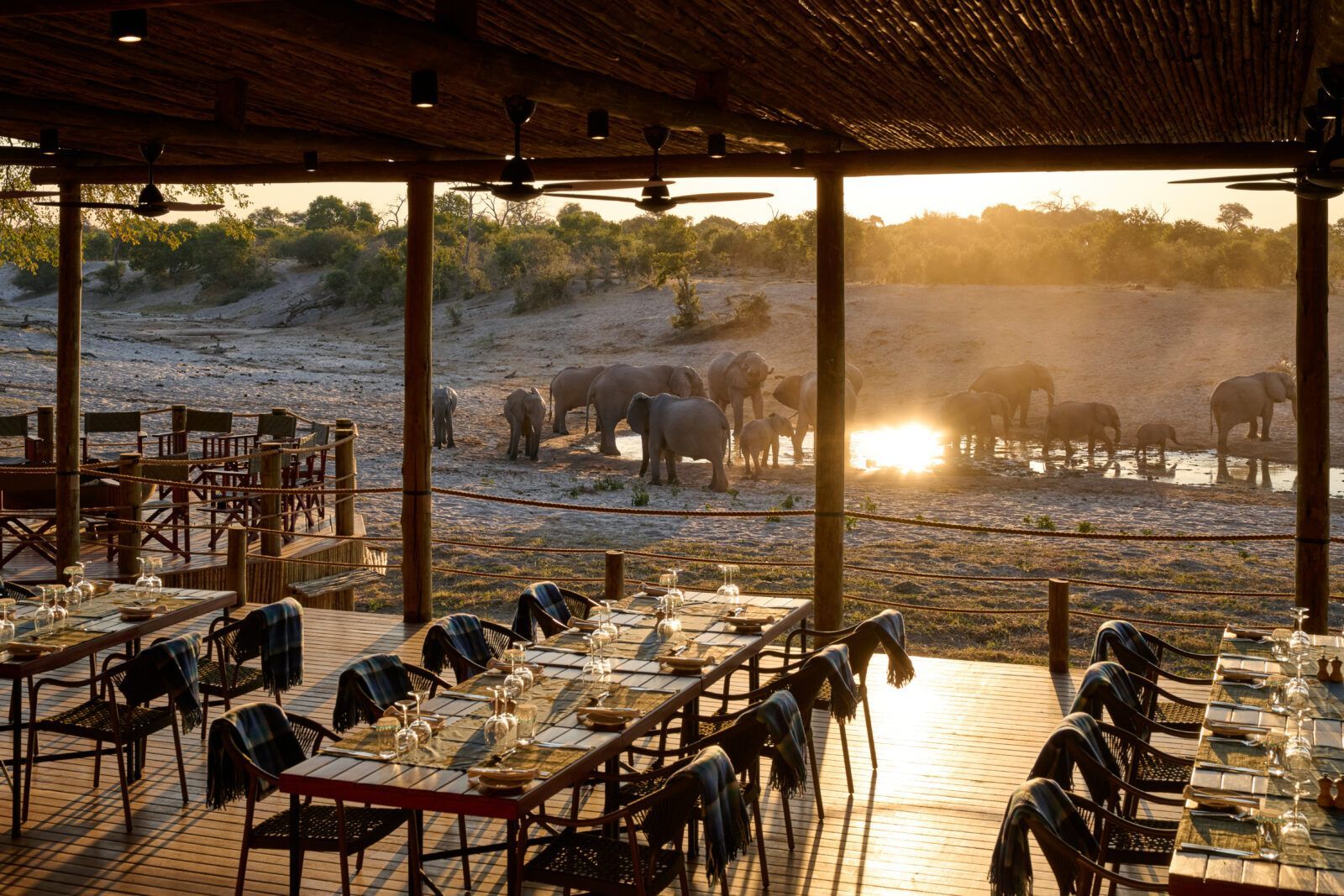
Set in the remote Savuti Marsh, this lodge is known for its striking design and panoramic views of a landscape rich with predators. Game drives here often reveal lions, leopards, and wild dogs in dramatic encounters. After a day on safari, guests return to stylish suites with private decks overlooking the marsh.
Ngoma Safari Lodge
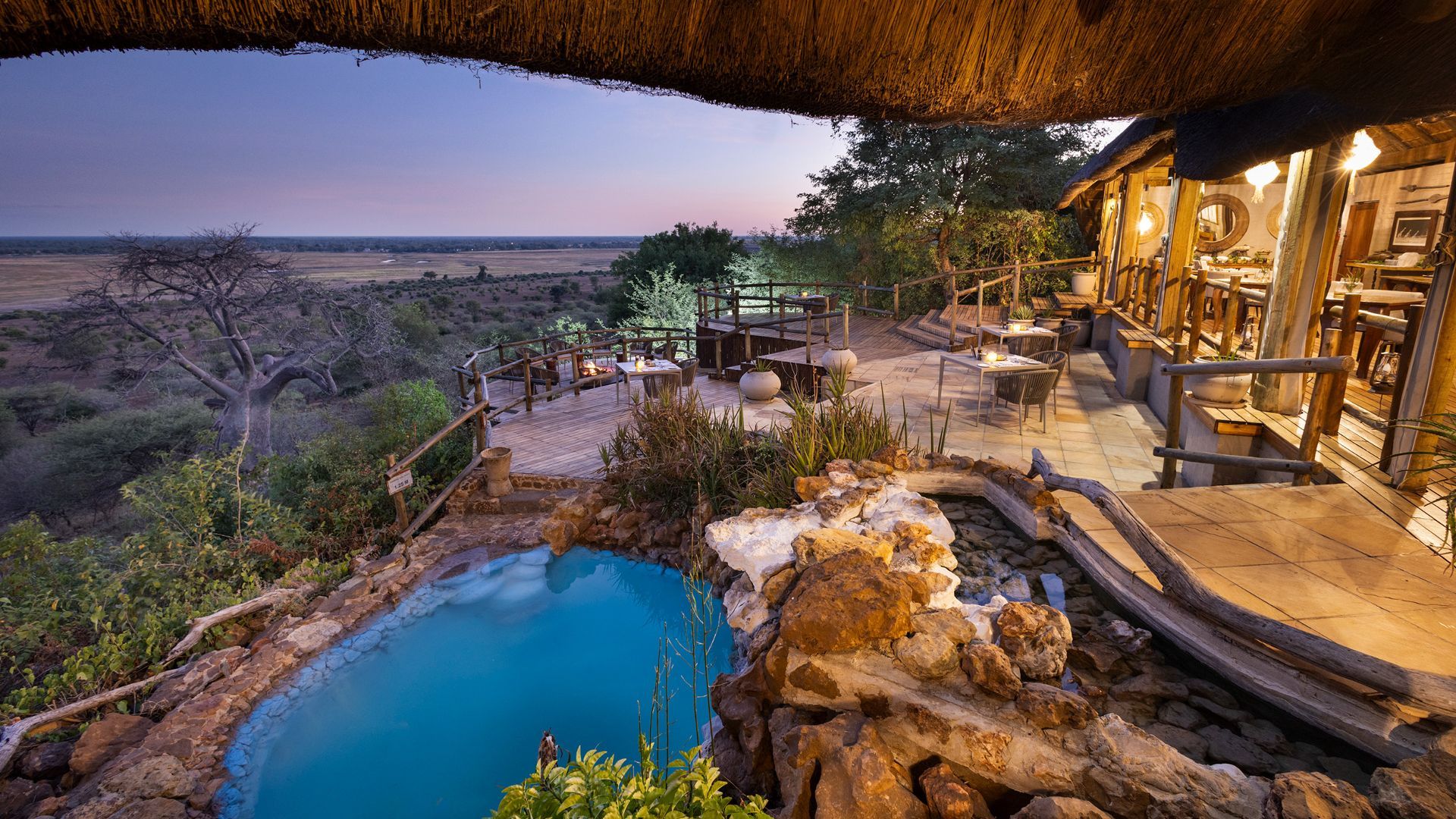
Perched on the edge of the Chobe Forest Reserve, Ngoma offers sweeping views across the Chobe River floodplains. Each suite features a plunge pool, outdoor shower, and floor-to-ceiling windows that immerse you in the wild. Its close partnership with local communities ensures your stay supports both conservation and culture.
Both lodges capture different sides of Chobe—Savuti with its predator drama and Ngoma with its serene riverfront setting.
At Awake in the Wild, we work closely with these lodges and many others, giving you access to a wide range of options and offers. From seasonal specials to exclusive packages, we’ll help match you with the perfect place to stay.
Wildlife Highlights of Chobe
The true magic of Chobe lies in its wildlife. The park is world famous for its elephants, with herds often numbering in the hundreds. Watching them gather at the river’s edge during the dry season is a sight that stays with travellers for life.
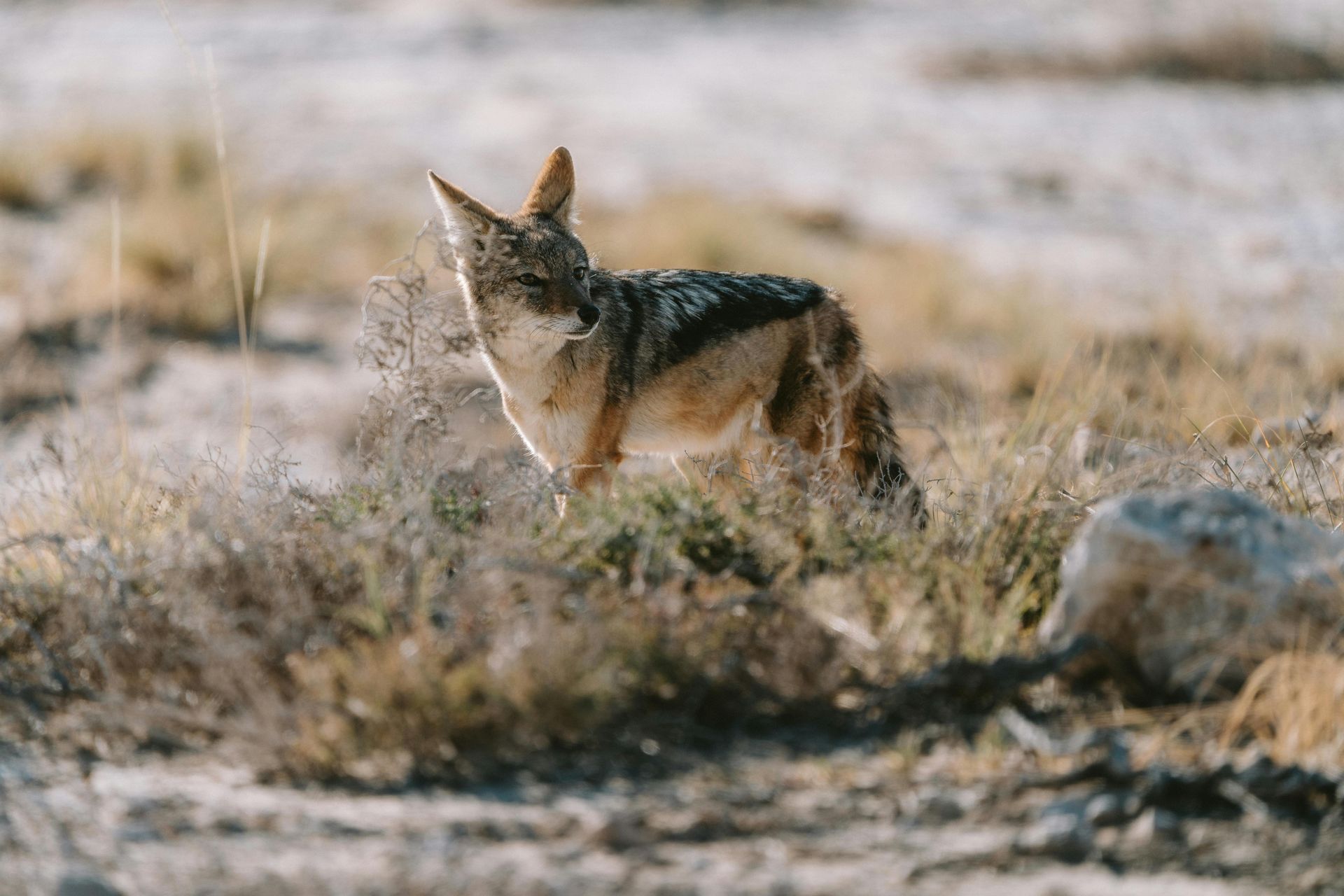
Predators are equally captivating. Lions roam the Savuti Marsh in prides that have become legendary for their strength and resilience. Leopards are more elusive but often spotted in riverine woodlands. Cheetahs and African wild dogs also thrive here, adding variety to game drives.
Chobe is not just about big game. Antelope species such as sable, roan, and kudu roam the plains, while hippos and crocodiles dominate the waterways. For birdwatchers, the park is one of Africa’s finest destinations. Over 450 species have been recorded, including carmine bee-eaters, kingfishers, and raptors that soar above the floodplains.
Every corner of Chobe tells a different story, and each day on safari reveals new layers of this living landscape.
The Chobe River – Lifeline of the Park
The Chobe River is the heart of the park and the reason so many species thrive here. Flowing along the northern boundary, it creates lush floodplains and attracts wildlife in staggering numbers. During the dry season, animals migrate from the interior to the riverbanks, making this one of the most dramatic safari spectacles in Africa.
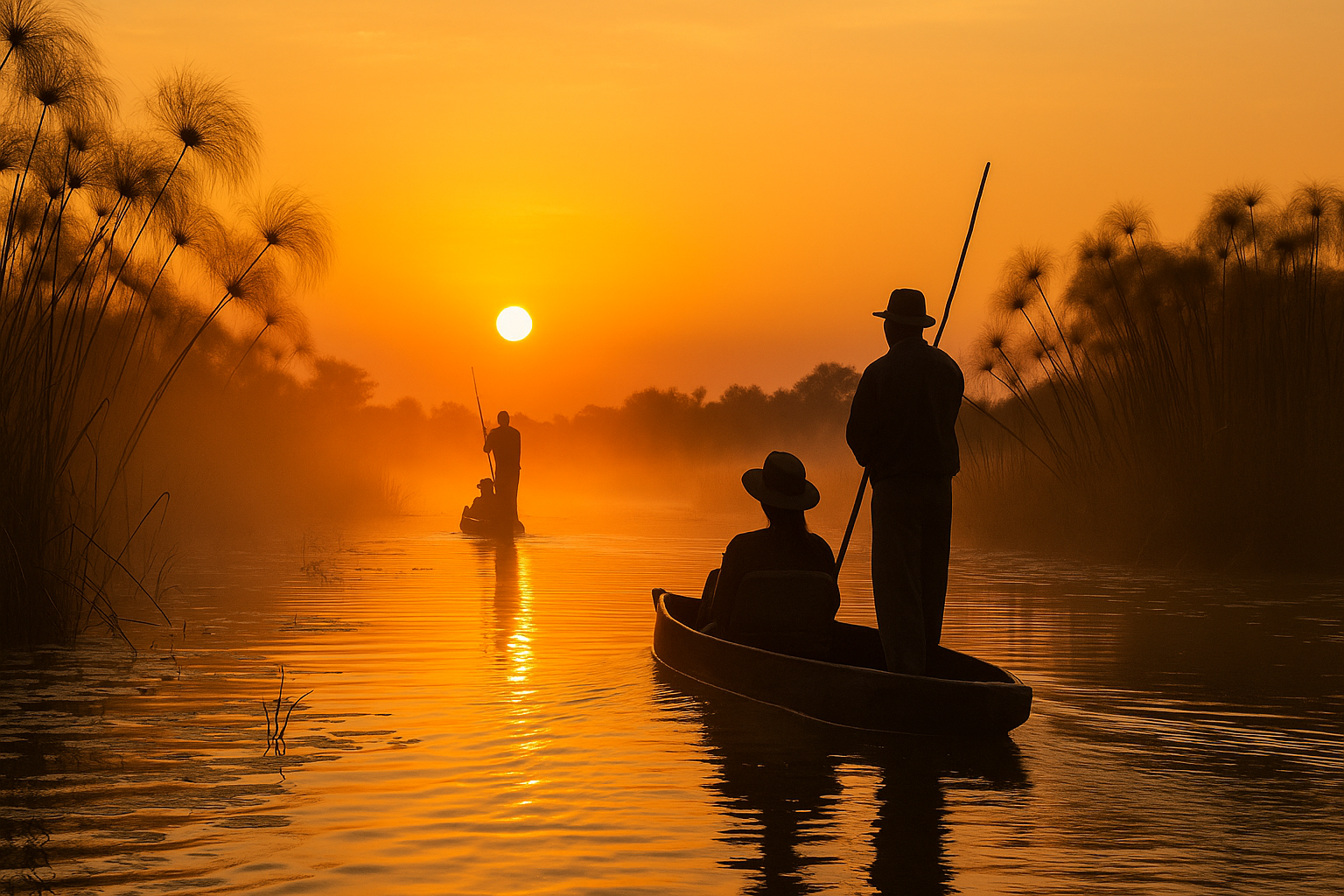
On a single afternoon cruise, you may see elephants wading across the water, buffalo grazing on the islands, and crocodiles basking in the shallows. Hippos often grunt and splash nearby, while flocks of waterbirds skim the surface. This daily gathering illustrates why the river is so central to Chobe National Park history and conservation—it has always been both a source of life and a stage for survival.
For travellers, experiencing the river by boat offers a different perspective from game drives. It is peaceful, yet full of action, and it remains one of the most memorable parts of any Chobe safari.
Experiencing Chobe as a Traveller
A holiday to Chobe is more than a checklist of animals—it’s an immersion in a unique environment shaped by history and conservation. Safaris here take many forms:
- River cruises along the Chobe River, where herds of elephants wade into the water and hippos surface at sunset.
- Game drives through floodplains, marshes, and woodlands, offering close encounters with predators and plains game.
- Birding tours led by expert guides who help you spot rare species.
- Cultural visits to nearby communities, where you can learn about local traditions and how conservation projects support livelihoods.
The variety of activities ensures every traveller experiences Chobe in their own way. Whether you prefer the quiet of a boat cruise or the thrill of a predator sighting, the park adapts to your pace.
This balance reflects our own tagline: “safari experiences for every traveller.”
Why Conservation Matters for Your Safari
Chobe National Park history and conservation are not just background details—they shape the holiday you experience today. Without the bold protections put in place over decades, the elephants, lions, and birds that attract travellers might not have survived.
When you book a safari here, you are not only enjoying a holiday—you are participating in a story of preservation. Tourism revenue helps fund anti-poaching patrols, research projects, and community programmes. The choices travellers make support the future of both wildlife and people.
By staying at eco-conscious lodges, joining responsible operators, and booking through companies that prioritise protections, you become part of this ongoing effort. Chobe shows that when conservation works, everyone benefits.
Connecting Chobe to the Wider Safari Circuit
Chobe’s story does not end at its boundaries. The park is part of the Kavango-Zambezi Transfrontier Conservation Area (KAZA), the largest protected landscape in the world.
This international initiative links Botswana, Namibia, Zambia, Zimbabwe, and Angola, creating a vast wildlife corridor where animals can move freely across borders.
Being part of KAZA highlights how Chobe National Park history and conservation contribute to a broader regional effort. It means that the elephants you see here may also roam into Namibia’s Caprivi Strip or approach the Victoria Falls in Zimbabwe.
For travellers, this creates opportunities for seamless multi-country safaris. A visit to Chobe can easily combine with the Okavango Delta, Victoria Falls, or Hwange National Park. This flexibility is one of the reasons Awake in the Wild designs tailor-made holidays—we can link experiences across southern Africa so your safari flows naturally from one highlight to the next.
Planning Your Safari to Chobe
Chobe National Park history and conservation show what can be achieved when a country chooses to protect its natural heritage. For travellers, this makes the park more than a holiday destination—it is a chance to witness a living success story.
At Awake in the Wild, we tailor-make every safari, from riverfront lodges to remote savannah escapes. With access to trusted suppliers and exclusive offers, we shape holidays that match your style and pace. Every journey is backed by full financial protection, giving you the freedom to focus on the adventure itself.
If you’re ready to explore Chobe, our team is only a call or message away. Speak to us today on 01495 400545 or use our holiday enquiry form.
Send an Enquiry
We will get back to you as soon as possible.
Please try again later.
Frequently Asked Questions
What is the significance of Chobe National Park history and conservation?
It shows how Botswana turned a once over-hunted region into one of Africa’s most successful wildlife sanctuaries.
When was Chobe National Park established and why?
It became a national park in 1967 to protect wildlife and support Botswana’s vision of conservation-led tourism.
How does conservation affect my safari experience in Chobe?
Conservation ensures thriving elephant herds, predator populations, and birdlife, making your safari rich and diverse.
What makes the Chobe River important?
The river provides water year-round, attracting elephants, hippos, buffalo, and countless birds, especially during the dry season.
How many elephants live in Chobe National Park?
Current estimates suggest over 120,000 elephants, the largest population of its kind in Africa.
Does tourism help conservation in Chobe?
Yes, revenue from safaris supports anti-poaching patrols, research, and community programmes, keeping conservation efforts sustainable.
What wildlife highlights can I expect in Chobe?
Lions, leopards, wild dogs, antelopes, hippos, crocodiles, and more than 450 bird species make every safari unique.
How does Awake in the Wild protect my booking?
Your holiday is secured with ATOL protection, membership of Protected Trust Services, Supplier Failure Insurance, and Scheduled Airline Failure Insurance.
Can Chobe be combined with other safari destinations?
Yes, many travellers pair Chobe with the Okavango Delta, Victoria Falls, or Hwange National Park for a broader safari.
Is Chobe suitable for first-time safari travellers?
Absolutely, with flexible experiences such as river cruises, game drives, and birding tours, it suits every traveller.