History and Conservation of Masai Mara National Reserve
Tracing the History and Conservation of the Masai Mara: From Ancient Lands to Modern Safeguards
The history and conservation of the Masai Mara is a story that weaves together ancient traditions, world-famous wildlife, and modern challenges. This legendary reserve in south-west Kenya has captivated travellers for generations, from its early days as Maasai grazing land to its present role as one of the most celebrated safari destinations on Earth. Rich with life and cultural heritage, the Mara is more than just a place to spot lions and wildebeest — it’s a living landscape shaped by people, wildlife, and conservationists working together.
For visitors, understanding the past and present of this extraordinary reserve adds a deeper dimension to every game drive and guided walk. You’re not only witnessing nature at its finest — you’re stepping into a land where history has influenced how animals roam and communities thrive. And when you book with Awake in the Wild, you’re not just arranging a holiday; you’re joining a movement to protect these landscapes for future generations.
The Early History of the Masai Mara
Long before the Masai Mara became a household name among safari enthusiasts, it was home to the Maasai people, semi-nomadic pastoralists who have roamed these lands for centuries. The Maasai followed seasonal grazing patterns, moving their cattle in harmony with the rhythm of the land. Their presence shaped the ecosystem, as their livestock grazed in areas that later became wildlife habitats, and their cultural traditions respected certain natural cycles that benefited wildlife.
By the late 19th century, European explorers had begun documenting the region’s extraordinary biodiversity. Reports of vast herds of antelope, wildebeest, and zebra — and the predators that followed them — spread across the world, sparking interest from naturalists and adventurers. At this time, there were no formal boundaries, and the balance between people, livestock, and wildlife was delicate but enduring.
When colonial influence expanded in Kenya, new pressures emerged. Hunting expeditions, often targeting big game, began to impact animal populations. The Maasai’s grazing rights were gradually restricted as land was set aside for conservation or settlement, marking the start of a significant shift in the relationship between humans and the land.
Establishing the Reserve
The first official steps towards protecting the area came in 1948, when it was designated as a wildlife sanctuary. This initial protection covered a smaller area than today’s reserve, but it set a precedent. The sanctuary boundaries expanded in 1961, and by 1974, the Masai Mara National Reserve as we know it was formally established.
The reserve was named after the Maasai people and the Mara River, a vital waterway that sustains countless species. Its creation aimed to safeguard the Great Migration — the seasonal movement of over 1.5 million wildebeest and hundreds of thousands of zebra and gazelle. This natural spectacle, one of the most remarkable wildlife events on the planet, became the cornerstone of the Mara’s global reputation.
The establishment of the reserve was not without controversy. For the Maasai, losing access to traditional grazing areas was a major change. Over the years, various agreements have been reached to balance conservation goals with the needs of local communities, but this relationship remains a central theme in the Mara’s ongoing story.
Tourism and the Rise of the Masai Mara’s Global Reputation
Following its formal designation in the 1970s, the Masai Mara quickly captured the imagination of travellers worldwide. Wildlife documentaries, particularly those showcasing the Great Migration, brought the reserve’s drama into living rooms across Europe and beyond. This global exposure sparked a surge in visitors seeking to witness the action first-hand.
Tourism became a cornerstone of the local economy, providing jobs in guiding, hospitality, and transport. Early camps were often basic, but the 1980s and 1990s saw the arrival of more comfortable tented lodges, blending luxury with proximity to nature. These developments attracted a broader range of travellers, from seasoned safari-goers to first-time visitors.
The rise in tourism also brought new challenges. Overcrowding at key river crossings and vehicle congestion around big cat sightings highlighted the need for better visitor management. In response, the reserve authorities and conservancies introduced measures such as limiting vehicle numbers and encouraging stays in less-frequented areas. These efforts aim to protect the very experiences that draw visitors here — ensuring the Mara remains both accessible and wild.
Conservation Efforts and Challenges
Conservation in the Masai Mara is a complex and evolving mission. The reserve is surrounded by community-owned lands, many of which have been developed into conservancies — areas managed jointly by local landowners and conservation groups. These conservancies play a vital role by creating buffer zones that reduce pressure on the main reserve while providing income to local people.
Wildlife populations here face several challenges: poaching, habitat loss, and human-wildlife conflict are ongoing issues. In recent decades, organisations have worked to strengthen anti-poaching patrols, introduce community education programmes, and promote eco-tourism as a sustainable alternative to environmentally damaging practices.
Climate change is another concern, altering rainfall patterns and affecting grazing availability. Conservation strategies now incorporate water management and habitat restoration to help wildlife adapt to these shifts. Each success, whether it’s an increase in lion numbers or the safe migration of elephants, reflects the collective effort of park authorities, conservationists, local communities, and safari operators.
Many conservancies are supported and coordinated by the Maasai Mara Wildlife Conservancies Association, a dedicated body that unites local landowners and conservation partners to protect biodiversity and promote sustainable livelihoods.
The Role of the Maasai People in Modern Conservation
For centuries, the Maasai have lived alongside the wildlife of the Mara, adapting their herding patterns to the seasons and respecting certain natural cycles. Today, they play a vital role in conservation. Many conservancies bordering the reserve are community-owned, meaning Maasai landowners lease their land to tourism operators and share in the revenue. This model provides steady income while keeping land undeveloped and available for wildlife.
Employment is another key benefit. Maasai men and women work as guides, trackers, rangers, and hospitality staff in camps and lodges. Their intimate knowledge of the land and its wildlife gives visitors a richer, more authentic safari experience.
Education programmes in local schools now teach both traditional knowledge and modern conservation science, fostering the next generation of custodians. Projects like predator compensation funds help reduce conflict between livestock owners and carnivores, ensuring that iconic species like lions and leopards continue to thrive alongside pastoral communities.
By travelling with companies that support community-based conservation, visitors help sustain this balance. Every night spent in a community-owned lodge, every guided walk led by a Maasai ranger, directly contributes to protecting the Mara’s heritage.
Wildlife Wonders of the Masai Mara
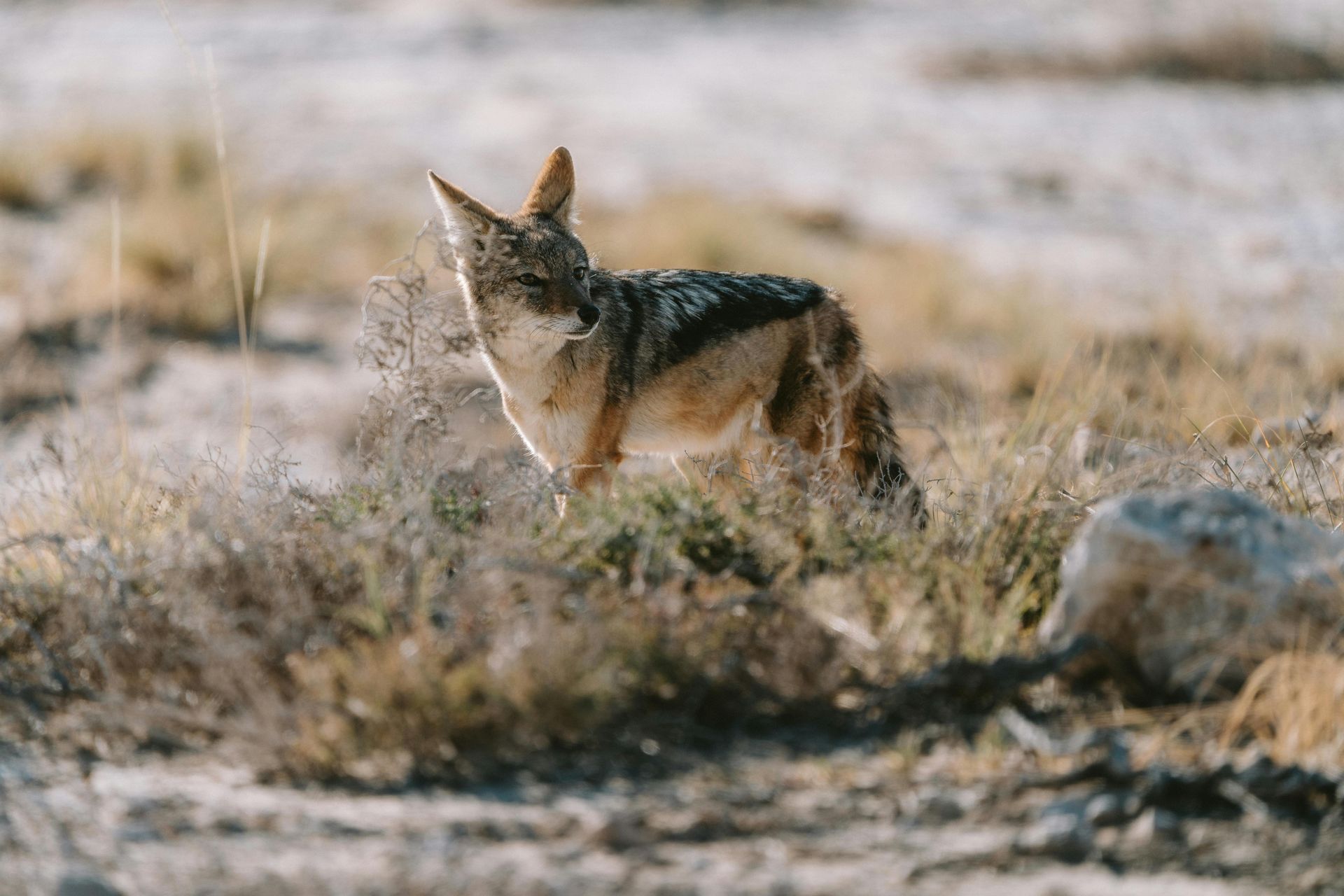
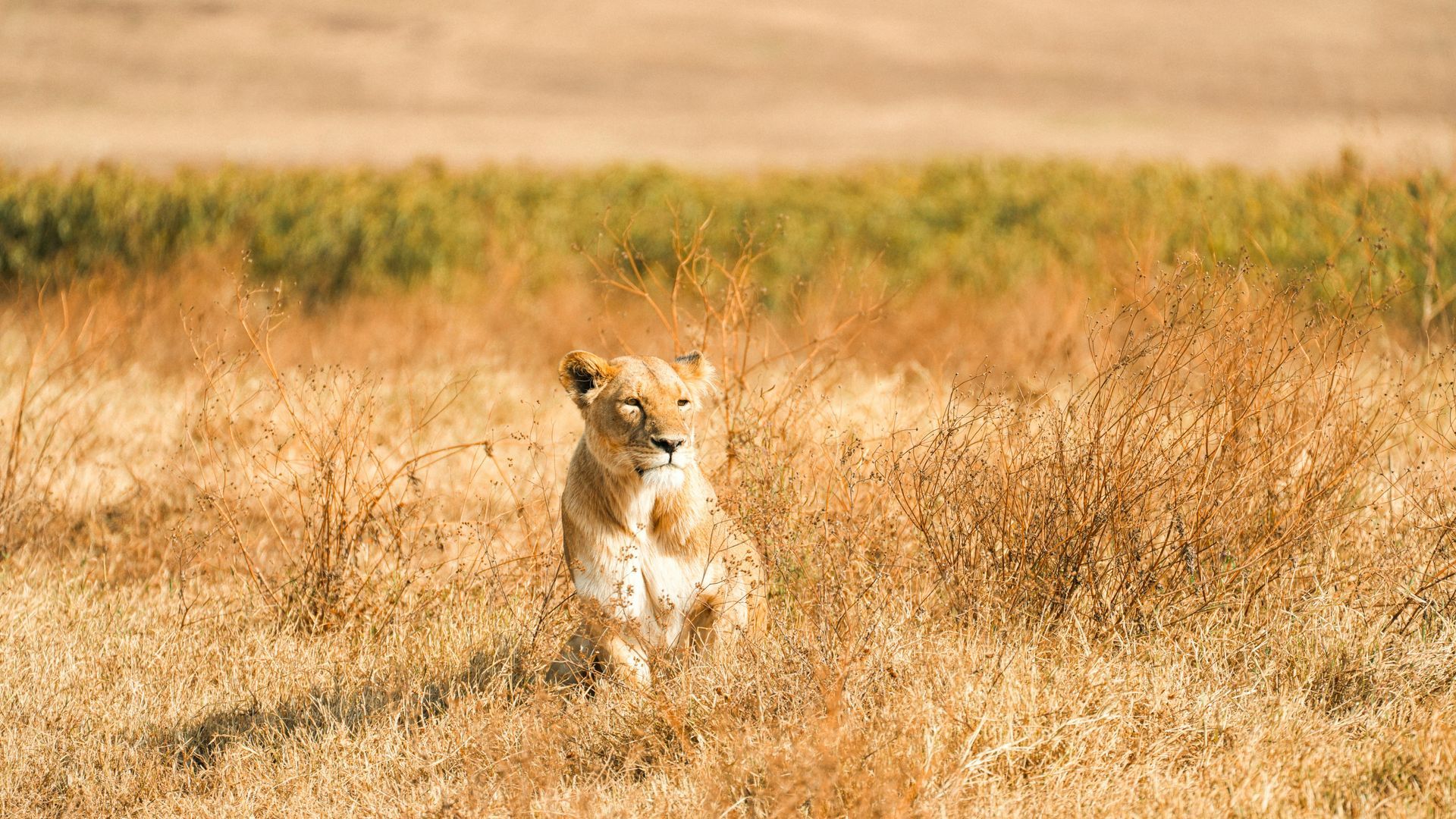
No discussion of the history and conservation of the Masai Mara is complete without celebrating its extraordinary wildlife. The Big Five — lion, leopard, elephant, buffalo, and rhino — are here, along with cheetah, hyena, giraffe, and more than 450 bird species. The annual Great Migration is the highlight, but the Mara teems with life year-round.
The Mara River crossings, where wildebeest plunge into crocodile-filled waters, are both dramatic and dangerous. Predators follow the herds closely, and for many visitors, witnessing a hunt or a successful escape is an unforgettable experience.
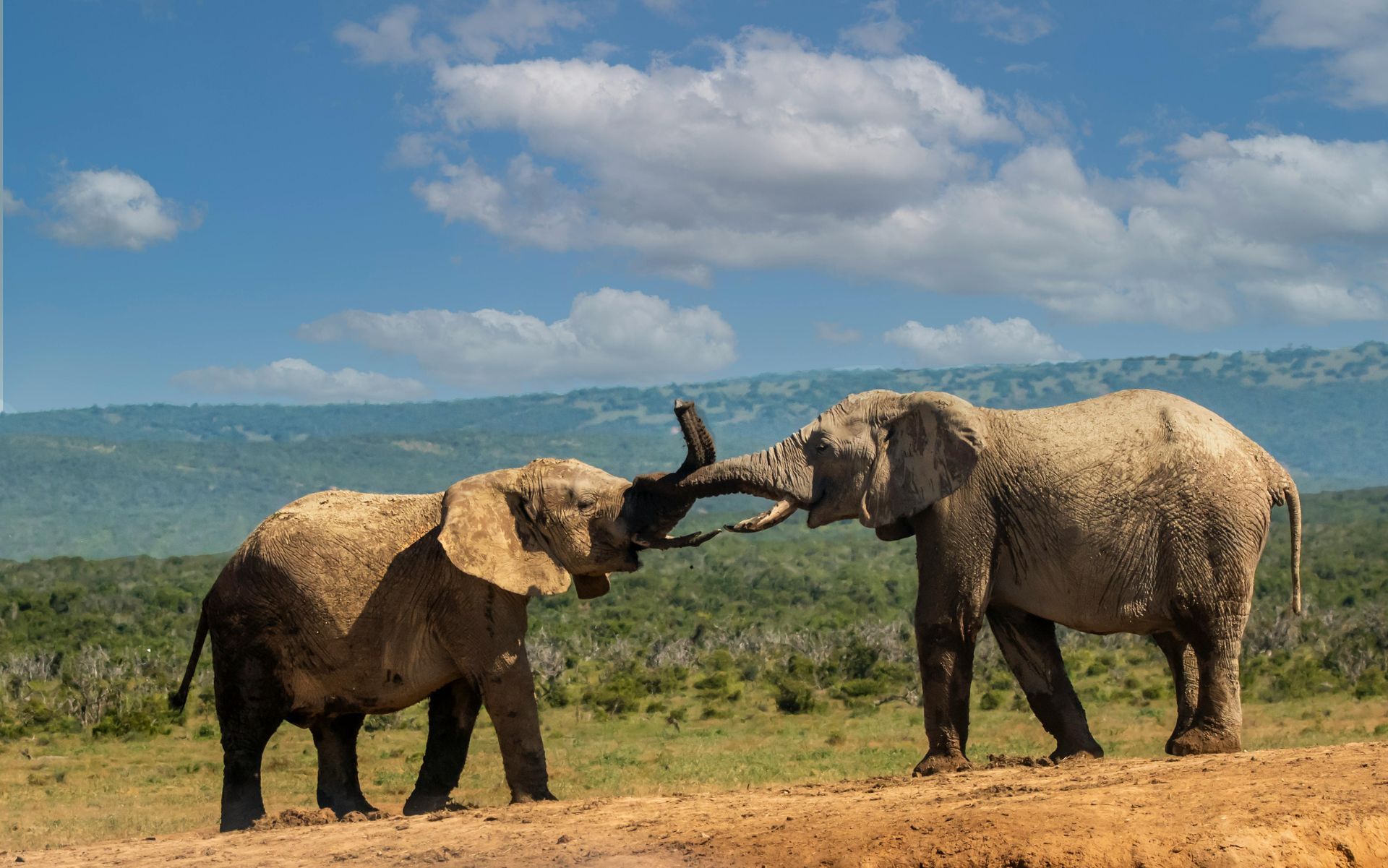
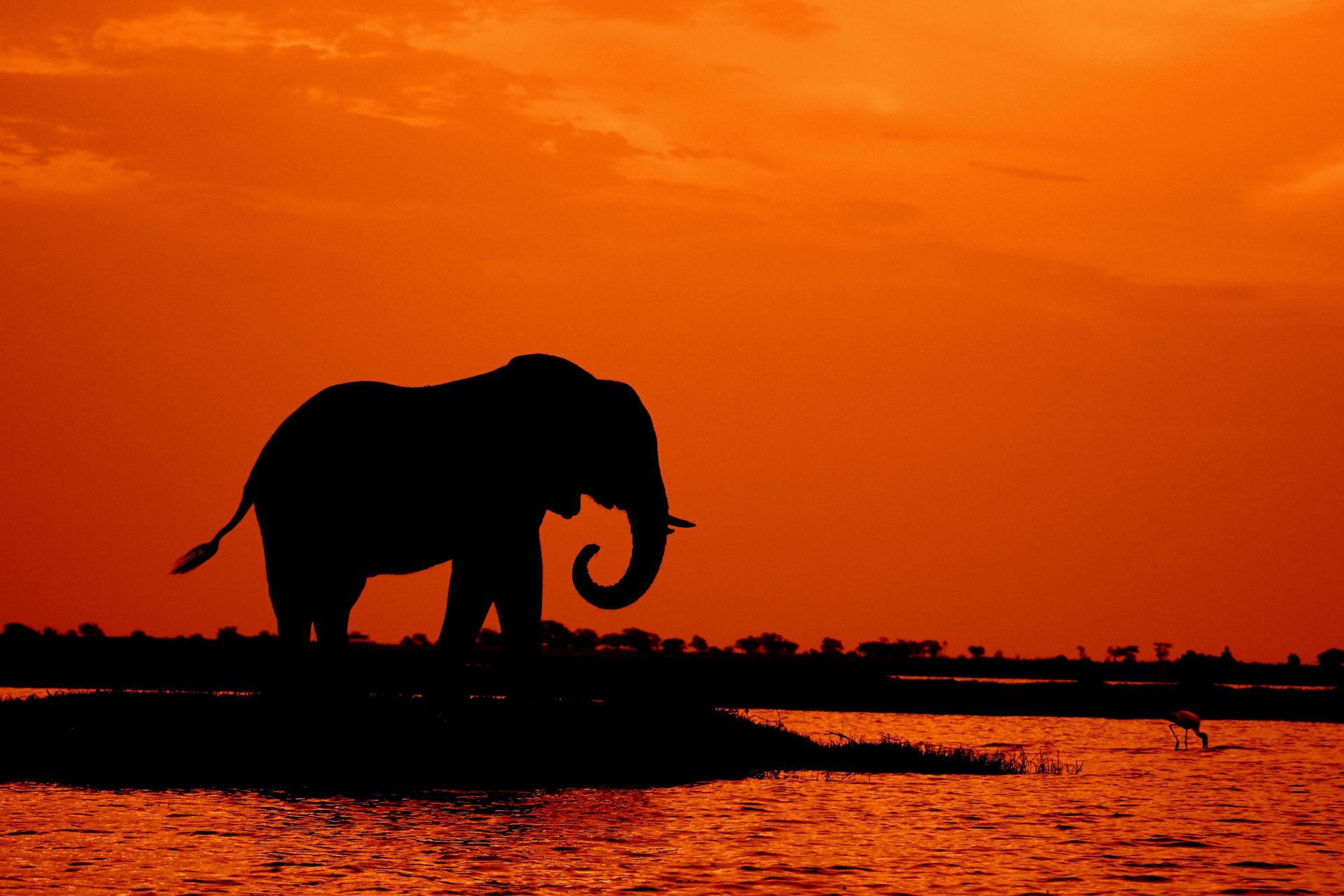
Outside migration season, the reserve offers quieter but equally rewarding sightings, from solitary leopards draped across acacia branches to elephants moving in family groups through golden grass.
Seasonal Highlights and Best Times to Visit
The Masai Mara offers spectacular experiences year-round, but each season brings its own character.
January to March is warm and dry, with lush greenery left over from the short rains. It’s an excellent time for predator sightings, as game is concentrated around permanent water sources.
April to June sees the long rains, which transform the plains into a sea of fresh grass. This is low season for tourism, offering fewer crowds and excellent photographic opportunities, especially for birdlife.
July to October is the peak of the Great Migration. Massive herds of wildebeest and zebra arrive from the Serengeti, attracting predators and creating unforgettable action at the river crossings. Lodges book up far in advance during this period, so early planning is essential.
November and December bring the short rains, a refreshing change that cools the landscape. Wildlife remains abundant, and this period often combines lower rates with good viewing conditions.
Choosing when to visit depends on the experiences you want most — whether it’s dramatic predator-prey encounters, serene green landscapes, or exclusive low-season tranquillity.
Staying in the Masai Mara: Two Exceptional Options
Angama Mara
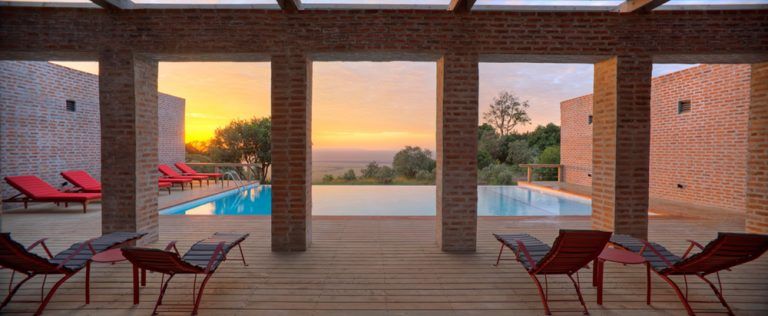
Perched high on the Oloololo Escarpment, Angama Mara offers sweeping views of the Mara plains below. Inspired by the film Out of Africa, the lodge’s design blends elegance with a deep connection to the land. Floor-to-ceiling glass fronts every tented suite, giving you uninterrupted vistas that stretch for miles.
Guests enjoy game drives into both the reserve and private conservancies, hot air balloon rides at dawn, and cultural visits to nearby Maasai villages. Dining is a highlight, whether in the lodge’s stylish spaces or out on the savannah.
If you’re considering Angama Mara, we have access to a range of offers and packages tailored to your travel style. Speak to us to explore the best options available for your trip.
Governors’ Camp
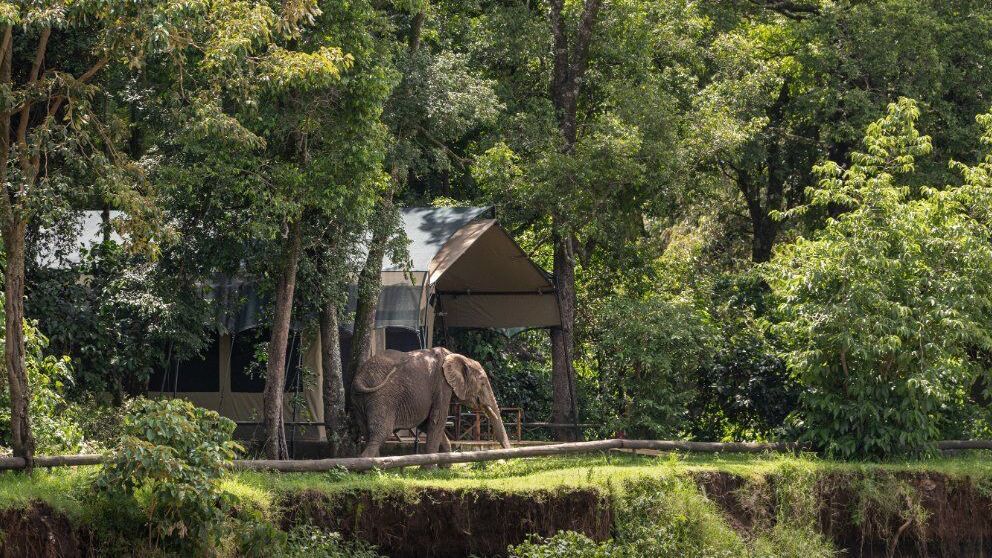
A pioneer of safari luxury, Governors’ Camp is set along the banks of the Mara River, offering close-up encounters with wildlife right from your veranda. The classic tented accommodations combine comfort with an authentic safari feel, while the camp’s location inside the reserve ensures you’re always close to the action.
Daily game drives, expert guides, and a long history of conservation involvement make Governors’ Camp an ideal choice for those who want an immersive experience.
We can share exclusive deals and seasonal offers for Governors’ Camp that will enhance your Masai Mara adventure. Contact us to learn more.
Travel Protections with Awake in the Wild
When you book your safari with Awake in the Wild, you can travel with complete peace of mind. As part of the Jamie Wake Travel family, we are members of Protected Trust Services and hold an ATOL licence. This means your money is financially protected from the moment you confirm your booking.
All tailor-made holidays include Supplier Failure Insurance and Scheduled Airline Failure Insurance, so you’re safeguarded against unforeseen disruptions. Our personal travel service ensures you have one point of contact from your first enquiry to your return home, giving you confidence at every stage.
The Future of Conservation in the Masai Mara
While the Masai Mara has achieved notable conservation successes, its future depends on continuous commitment from all stakeholders. Climate change, population growth, and shifting land use patterns will present ongoing challenges.
Innovations in conservation technology — from GPS tracking of key species to drone-assisted patrols — are already improving protection efforts. Expansion of conservancy models could offer more wildlife corridors and sustainable livelihoods for local communities.
As travellers, making ethical choices about where to stay and who to book with will have a tangible impact. By choosing operators who invest in both wildlife protection and community development, visitors help secure the Mara’s future as one of Africa’s greatest wildlife sanctuaries.
Our View:
“The Masai Mara isn’t just a place to visit — it’s a story you become part of. By choosing operators who value both history and conservation, your safari can help protect this land for generations.”
Why Your Next Safari Should Be in the Masai Mara
The Masai Mara is one of those rare places where every day brings a new story. From its deep-rooted history with the Maasai people to its status as a conservation stronghold, the reserve offers more than just wildlife sightings — it offers a connection to something timeless.
When you travel with Awake in the Wild, you get more than a safari. You get “safari experiences for every traveller,” tailored to your dreams and supported by a team that cares about both your journey and the places you’ll explore. We’re here to make sure your Masai Mara adventure is unforgettable, whether that means securing a sunrise hot air balloon flight, arranging a private guide, or finding the perfect lodge for your style.
Call us on 01495 400545 or use our holiday enquiry form on our website to start planning today. We’re only a call or message away.
Send an Enquiry
We will get back to you as soon as possible.
Please try again later.
Frequently Asked Questions
What is the history of the Masai Mara National Reserve?
The reserve was established in 1974, but its history stretches back centuries as the traditional land of the Maasai people, who lived in harmony with wildlife before colonial influence and modern conservation measures reshaped the region.
How is the history and conservation of the Masai Mara connected?
The reserve’s history directly influences today’s conservation strategies, from community-owned conservancies to rules that protect migration corridors established generations ago.
Why is the Masai Mara important for conservation?
It’s home to the Great Migration, the Big Five, and over 450 bird species, making it a globally significant biodiversity hotspot that requires ongoing protection.
What role do the Maasai people play in conservation today?
They lease land to conservancies, work as guides and rangers, and participate in community-led initiatives that protect both wildlife and cultural traditions.
When is the best time to visit the Masai Mara?
July to October for the Great Migration, but January to March and November to December also offer excellent game viewing with fewer visitors.
What are wildlife conservancies in the Masai Mara?
These are community-managed areas bordering the main reserve, providing extra habitat for animals while generating income for local people.
How does tourism support conservation in the Masai Mara?
Revenue from park fees, lodges, and tours funds anti-poaching units, habitat restoration, and community projects that benefit both people and wildlife.
Are there threats to the future of the Masai Mara?
Yes, challenges include climate change, human-wildlife conflict, and land use changes, all requiring long-term solutions.
What makes the Great Migration so special?
It’s one of the largest animal movements on Earth, with over 1.5 million wildebeest and thousands of zebra and gazelle crossing the Mara River each year.
How can I book a safari that supports conservation in the Masai Mara?
Choose operators like Awake in the Wild, who work with responsible lodges and conservancies, ensuring your trip benefits both wildlife and local communities.